
Patrick Wilson Githinji: Fine Artist & Digital Entrepreneur

Welcome to my space where creativity meets strategy. Here, I explore and review products and services that I
personally use, test, and recommend. In full transparency, some of these reviews include affiliate links,
which means I may earn a commission if you decide to sign up or make a purchase. My goal is never to push
products, but to provide honest insights that help you make informed decisions while supporting my
work.
Beyond product reviews, I share practical online business tips, marketing strategies, and content creation
advice tailored for artists, entrepreneurs, and digital creators. I want to empower you to build a
sustainable online presence, monetise your skills, and grow your creative ventures effectively.
Through this platform, I also document my personal artistic journey—showcasing my experiments, successes,
and lessons learned along the way. Whether you’re looking to elevate your craft, start an online business,
or simply get inspired, my mission is to guide, motivate, and provide actionable knowledge that helps you
thrive in the digital and creative world.
Explore by Category

Affiliate Marketing
Learn proven affiliate programs for beginners, master UK affiliate strategies, and build consistent passive income from trusted niches.

Art Market
Insights into selling art online, art pricing strategies, building an artist brand, and connecting with modern collectors globally.

Digital Marketing
Master SEO, content strategy, email campaigns, and practical digital marketing tools that grow your online brand in any niche.

Earn Money Online
Explore sustainable online income ideas, low-competition niches, freelancing opportunities, and remote business models.

Health & Fitness
Build resilience with wellness routines, mindful productivity, and health tips crafted for digital creators and online entrepreneurs.

Tour & Travel
Uncover digital nomad guides, creative retreats, and affordable remote travel ideas that inspire both work and wanderlust.
Beginner Online Business Ideas For Free
This content provides a comprehensive guide to starting beginner online businesses for free in Kenya, leveraging the country's mobile-first digital landscape and platforms like M-Pesa. It emphasizes zero-cost startups, utilizing existing internet access, free tools (e.g., social media, Blogger, Canva), and personal skills to bypass common capital limitations faced by Kenyan entrepreneurs. The core principles revolve around idea validation on free platforms, minimal upfront investment, and focusing on service-based models like content creation or freelancing. The guide outlines the significant benefits, including low financial risk, location independence (critical due to widespread mobile internet access), and integrated skill development (SEO, social media marketing). It details the operational mechanics, offering a step-by-step setup tailored for Kenyan beginners, from choosing an idea to optimizing for mobile and utilizing M-Pesa for seamless transactions. Monetization strategies are purely free, relying on pay-per-task freelancing (Fiverr, Upwork), affiliate marketing, and ad revenue (AdSense). Best practices for sustaining growth involve cultivating consistent daily habits, using free tracking tools (Google Analytics), and building credibility through mock portfolios and community engagement. Crucially, the content addresses pitfalls in emerging markets, stressing the importance of verifying platforms to avoid scams. The overall message is that sustainable success in Kenya's digital space is highly achievable through persistent effort and smart utilization of abundant free digital resources.
Easy Digital Tools For New Bloggers
This guide details essential, easy digital tools for new bloggers to overcome technical hurdles and streamline content creation, emphasizing free and low-cost options. It addresses the initial stress of tool selection and highlights how simple interfaces allow beginners to focus on content rather than coding. The content is divided into four key categories: platform/hosting, design, editing, and planning/SEO. Blogger is recommended as a completely free, Google-backed platform for quick and easy blog launches, offering built-in editors and strong SEO potential, ideal for hobbyists and beginners testing ideas. For visual content, Canva is positioned as a no-skill design hub with an intuitive drag-and-drop editor and vast template library, crucial for creating eye-catching headers and social media assets without professional software. To ensure writing quality and professionalism, Grammarly is featured as an indispensable AI-powered editor providing real-time grammar, spelling, and style checks. Its free basic version is a powerful start, enhancing clarity and engagement for non-native and native English writers alike. Finally, Trello provides visual content organization, utilizing boards, lists, and cards to manage ideas, track post progress, and structure content calendars effectively, boosting productivity. A comparison table summarizes these four tools—Blogger (Platform), Canva (Design), Grammarly (Editing), and Trello (Planning)—evaluating their pricing structure (all offer robust free tiers), ease for beginners, and best use cases. The guide concludes by encouraging new bloggers to combine these tools for a seamless workflow, emphasizing that such accessible resources enable beginners to quickly establish an online presence, enhance content quality, and explore early monetization strategies like affiliate marketing.
funny DIY fails from home repairs
This content humorously explores eight extensive real-life 'botched home renovation projects' and 'funny DIY fails' that result from overconfidence, lack of planning, and ignoring safety precautions. Beginning with a cautionary tale of a flooded kitchen from a simple plumbing fix, the collection details a range of chaotic outcomes across different home areas, blending comedy with practical advice. The featured DIY disaster stories include the 'Plumbing Pipe Explosion,' where over-tightening caused massive flooding; the 'Wall Painting Catastrophe,' resulting from skipping primer and poor prep; and the alarming 'Electrical Wiring Shock,' stressing the danger of ignoring safety labels. Structural failures also yield laughs, such as the 'Bathroom Tile Tumble' due to uneven subfloors and the spectacular 'Kitchen Cabinet Collapse' caused by anchor failures and load oversights. Further blunders include the 'Flooring Install Fiasco' from improper wood acclimation, the 'Roof Repair Blunder' highlighting the dangers of makeshift patches and leaky ceilings, and the final 'Garden Shed Tumble' due to unstable foundations. Each section uses humor—like descriptions of the amateur standing drenched or cabinets raining down—to underscore crucial lessons, such as the necessity of double-checking measurements, using proper tools, and knowing when to hire a professional, ultimately aiming to turn reader mishaps into mastery and confident, disaster-free home improvements.
Quick Habits To Improve Daily Life Naturally
This content explores the concept of quickly adopting simple, natural habits (small, sustainable actions taking less than five minutes) to significantly improve daily life, health, happiness, and productivity without requiring drastic changes. Drawing from lifestyle insights and psychological science, the article emphasizes that effortless natural routines—such as sipping water upon waking, short outdoor walks, or brief gratitude notes—outperform forced overhauls by aligning with our biology and consistent reinforcement. It details the foundation of habit building, focusing on the cue-routine-reward loop and the role of micro-habits in driving long-term change, offering specific adaptations for readers in the Kenyan context (e.g., integrating habits into matatu commutes or communal strolls). Key benefits include substantial health and energy enhancements (e.g., better sleep, heightened vitality), boosted mental clarity and happiness (stress reduction, greater emotional resilience), and long-term gains in productivity and well-being. These improvements are driven by mechanisms like endorphin release from brief movement, neuroplasticity strengthening clarity through mindfulness, and the compounded effects of integrating outdoor activities into daily routines through 'habit stacking'. For practical application, the article suggests best practices such as starting small, tracking progress (using simple tools like journaling), overcoming motivation slumps through flexibility and adaptation, and advanced scaling strategies like focusing on nine key habits for happiness and leveraging community group challenges. Ultimately, embracing these quick, natural habits requires minimal effort but promises profound, transformative results for daily fulfillment.
Simple Household Tricks That Actually Work
This article outlines eight simple, budget-friendly household hacks designed to streamline daily chores and improve home efficiency, using common items often found in Kenyan kitchens. Aimed at turning frustrating ordeals into easy fixes, the tips leverage readily available goods to save time and money, proving reliable for over 80% of households that report relying on DIY tricks weekly. The collection focuses on quick, affordable solutions for common home maintenance issues, encouraging independent problem-solving without expensive tools. The featured hacks cover various areas of home management: 1. **Plant Care:** Reviving wilting plants (like succulents or herbs) during dry seasons using a simple sugar water solution as a nutrient boost. 2. **Pet Hair Removal:** Using dampened rubber gloves to effectively lift pet hair from upholstery and carpets, outperforming traditional lint rollers. 3. **Microwave Cleaning:** Employing a steam method with vinegar and water to effortlessly loosen baked-on grime and deodorize the appliance. 4. **Drain Solutions:** Unclogging slow drains with a mixture of baking soda and vinegar, providing an eco-friendly and affordable alternative to commercial cleaners. 5. **Odor Control:** Using used coffee grounds placed in the fridge to neutralize stale food smells better than baking soda, extending freshness. 6. **Stain Removal:** Utilizing lemon juice's natural citric acid to lift spills like tea or coffee from fabrics and non-porous surfaces. 7. **Cable Management:** Organizing cables and cords using repurposed empty toilet paper rolls to reduce clutter and tangles. 8. **Shoe Deodorization:** Freshening smelly shoes by sprinkling baking soda inside to absorb moisture and neutralize odors overnight. These proven methods empower beginners by providing practical, sustainable, and cost-effective ways to maintain a clean, organized, and stress-free home environment, potentially saving an average household hundreds of dollars annually.

Who Is Patrick Wilson?
I'm a fine artist turned digital entrepreneur, passionate about helping creators and solopreneurs make a living doing what they love. Through practical guides, SEO content, and online tools, I teach people how to grow, monetise and thrive in evergreen niches like affiliate marketing, online branding, content strategy, and passive income generation.
Latest Articles

Simple online side hustles for beginners
Simple Online Side Hustles for Beginners: A Practical, Heartfelt Guide to Earning Your First Online There is a special kind of excitement that come...

How to Make Money with Affiliate Marketing by Placing Ads
I often share ways to make money with affiliate marketing on this channel, but placing ads on well-known websites has to be one of the most effective ...

😂 Touring Famous Places: Hilarious Travel Fails and Memes
Visiting iconic landmarks and famous destinations is a dream for many. The Eiffel Tower, the Colosseum, and Machu Picchu--these spots promise unforget...

😂 Nature Tour Disasters: Hilarious DIY Adventures Gone Wrong
Embarking on a nature tour sounds idyllic: fresh air, scenic trails, chirping birds, and the chance to reconnect with the outdoors. But anyone who has...

😂 National Park Adventures: When DIY Nature Trips Go Hilariously Wrong
There's something magical about escaping the city and heading into a national park. The crisp air, towering trees, and serene lakes promise peace, adv...
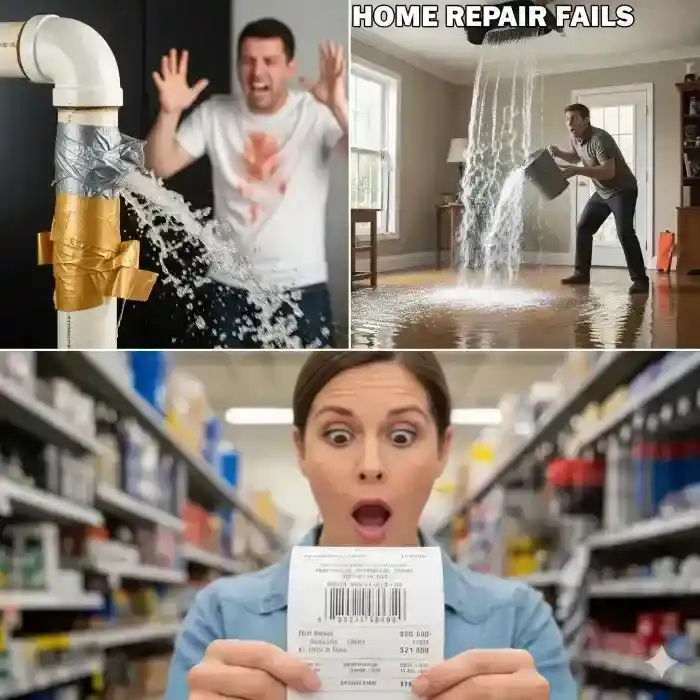
😂 Home Repair Fails: When DIY Goes Hilariously Wrong
Home Repair Fails: When DIY Goes Hilariously Wrong Every homeowner has been there: the moment you convince yourself, "I don't need a prof...

The Funniest Memes and Real-Life Stories About Perfect Grass
😂 Lawn Obsessions: If you have ever stepped outside on a Saturday morning and heard the distant hum of a lawnmower, chances are you live in a neighbo...
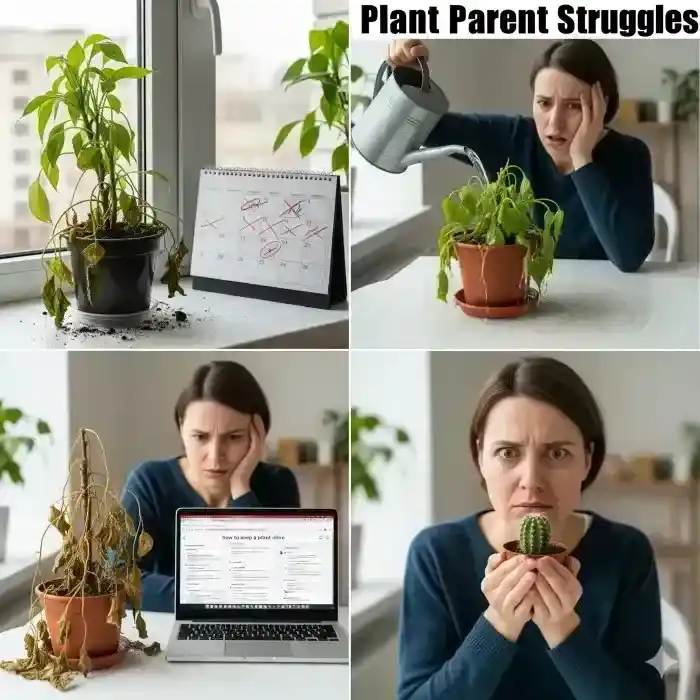
🌱 Best Funny Home & Gardening Meme Themes
Plant Parent Struggles Being a plant parent in 2025 is almost a lifestyle. Forget yoga, forget meditation--modern wellness culture tells us that all y...

Funny Love Languages: How Memes Make Relationships Relatable
Love languages were created to help couples understand how they express and receive love. The five core love languages -- words of affirmation, acts o...