
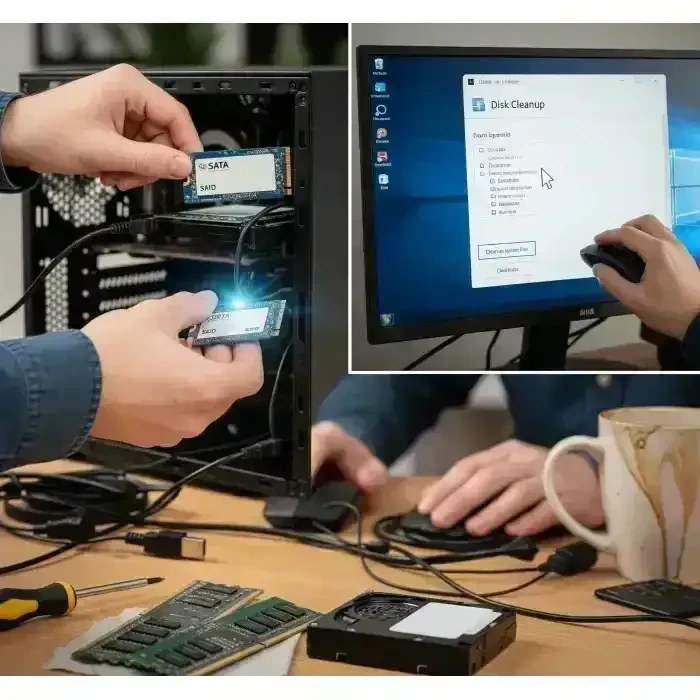
 How to Speed Up a Slow Desktop PC: becomes more interesting when it is treated as practice and context, not just a broad art-history summary. The angle here is materials, context, technique, interpretation, and how the topic differs from broad art-history summaries. Picture this: you sit down at your desk, eager to dive into work or creativity, only to be greeted by a sluggish PC that takes ages to boot, opens programmes at a snail's pace, and generally frustrates you at every click. We've all been there, and that's exactly why I wrote this guide just for you. If your desktop is running slow, this practical, structured guide will help you boost performance without resorting to a full-blown PC replacement. Let's dive in. Before we fix the issue, let's understand why your desktop might be crawling. Common causes include too many startup programmes, insufficient RAM, outdated software, cluttered storage, malware, overheating, or simply ageing hardware. It may seem trivial, but a simple reboot clears memory, ends stalled processes, and often solves slowdowns. Avoid leaving your PC running indefinitely it's like rebooting your brain after a long day. A cluttered desktop isn't just unsightly each icon consumes memory during startup. Move files into organised folders, and use shortcuts sparingly. Microsoft routinely releases updates that fix bugs and improve performance. Likewise, updated drivers and BIOS ensure compatibility and stability. Go to Settings Windows Update, then check the device manager or use your manufacturer's tools for drivers. Use Task Manager Startup to see which apps launch at boot. Disable those with High startup impact? unless necessary. This step alone can dramatically reduce boot time. Head to Settings Apps Installed apps and remove anything you don't use. Many unused programmes run background services that drain resources. Windows includes a built-in Disk Cleanup tool to delete temporary files, thumbnails, and system cache. Run it regularly to free up space. Browsers and apps store temporary files that slow performance. Clear your browser cache and remove unnecessary system temporary files for smoother operation. HDDs benefit from defragmentation, which reorders file fragments for faster read/write speeds. SSDs don't need this, and running it can actually reduce their lifespan. Malware often runs silently in the background, eating CPU and memory. Run a full antivirus scan and consider using secondary tools like Malwarebytes for a deep clean. Cloud syncing can bog down your hard drive and internet connection. Pause syncing temporarily to see if performance improves. Windows offers visual effects like fades, shadows, and animations. Turn these off via System Advanced system settings Performance settings for a smoother experience. The paging file acts like virtual memory. Let Windows manage it automatically for the best balance between RAM and disk usage. If you're still using a mechanical hard drive (HDD), switching to a solid state drive (SSD) is perhaps the single most effective upgrade. Boot times, app launches, and file access become nearly instantaneous. Low memory results in frequent paging and a sluggish experience, especially with many browser tabs or creative apps open. 8 GB is a practical minimum; 16 GB is ideal for power users. Installing RAM is usually simple in desktop PCs. For gamers or those working with video, a more useful GPU can offload processing from the CPU and dramatically improve responsiveness. Upgrading your CPU can yield big performance gains, but only if your motherboard supports it. Often, CPU upgrades mean replacing the motherboard and RAM, so weigh the cost against building a new PC. Thermal throttling occurs when components overheat and reduce speed to cool down. Clean dust from fans, improve airflow in your case, and consider better cooling solutions to ensure components run at full speed. Not all optimisation tools are created equal, but reputable ones can help if you're less comfortable managing system settings manually. When your system is weighed down by years of updates, tweaks, and clutter, a clean install of Windows can feel like a new computer. Back up your files and reinstall for best results. If you have older hardware, consider switching to a lightweight Linux distribution like Ubuntu, Mint, or Zorin. they're fast, secure, and often breathe new life into ageing desktops. Speeding up a slow desktop doesn't require buying a new PC. With thoughtful maintenance, decluttering, smart tweaks, and a couple of strategic upgrades such as an SSD and more RAM you can reclaim that snappy, efficient machine you once loved. Feeling stuck? Browse our full tech troubleshooting guides for more DIY fixes or drop a comment below I'll help you get your system humming again.

Find this information worthwhile?
If my research or technical insights have helped you flourish in the digital world, consider supporting the continued development of this platform.
Support via PayPalContribution to: Pfine
Keep exploring
Explore more practical guides on AllTopicsHub
Discover more trustworthy tutorials, explainers, and practical articles across business, technology, lifestyle, and everyday topics.