
Turkish Lira (TRY) vs Euro (EUR): Market Sentiment and Outlook
The Turkish lira's exchange rate against the euro (EUR/TRY) has become one of the most important barometers of emerging-market stress and policy uncertainty. As Turkey's economy battles inflation, fragile reserves, and political risks, the lira's performance is under constant global scrutiny. The European Union accounts for more than 40% of Turkey's exports, making shifts in EUR/TRY a critical factor for trade, investment, commodities, and tourism. Beyond economics, the pair has geopolitical significance, reflecting Turkey's role as a bridge between East and West. In short, a weak lira often signals turmoil and inflation risks, while euro strength can indicate global safe-haven demand or resilience in Europe's economy.
This article provides a complete EUR/TRY analysis: current market sentiment, technical signals, price history, economic fundamentals in Turkey and the Eurozone, geopolitical risks, and expert forecasts. Whether you are a trader, investor, or business exposed to currency fluctuations, understanding these dynamics is crucial for decision-making.
EUR/TRY Market Sentiment and Technical Analysis
As of mid-May 2025, EUR/TRY trades around 43-44 per euro, near all-time highs. After spending much of 2024 in the 30-38 range, the lira has lost roughly a quarter of its value against the euro in just one year. The momentum is unmistakable: EUR/TRY continues to push higher despite brief retracements.
- Moving Averages: The 50-day SMA has crossed above the 200-day SMA, a classic golden cross that signals a strong uptrend.
- RSI (Relative Strength Index): Weekly RSI hovers around 60-70, showing bullish momentum but edging toward overbought territory.
- MACD: Both daily and weekly MACD indicators remain positive, confirming sustained upward momentum.
- Short-Term Pullbacks: Hourly charts show occasional profit-taking, with 80-90% of signals briefly flashing bearish. These are considered pauses in a larger uptrend rather than trend reversals.
Trader sentiment tells a similar story. Retail traders remain heavily short EUR/TRY, betting on a lira rebound near the 30-32 level. This contrarian positioning is often a warning sign -- when nearly all small traders are on one side of the market, the opposite move tends to prevail. Institutions, on the other hand, maintain a bearish outlook on TRY, expecting further weakness.
Historical Price Perspective
To understand today's exchange rate, we must revisit recent history:
- In 2020, EUR/TRY averaged around 7. By 2022, it had soared past 20 due to unorthodox monetary policy.
- In 2023, under Finance Minister Mehmet Şimşek, orthodox policy briefly stabilised the lira near 30-31.
- By late 2024, EUR/TRY climbed to the 38 range, and in early 2025 it smashed through 42-44, setting new records.
In less than five years, the lira has lost more than 500% of its value against the euro, a stark illustration of chronic inflation and policy volatility.
Turkey's Economic Fundamentals
- Inflation: Annual inflation stands at 37.9% as of April 2025, well above the central bank's target and a key driver of lira weakness.
- GDP Growth: Growth slowed from 3.2% in 2024 to an expected ~2.9% in 2025, signalling fragility.
- Reserves: FX reserves have plunged below $20 billion, following heavy interventions to defend the lira.
- Interest Rates: After rate cuts to 42.5%, the central bank reversed course in March 2025, hiking to 46%. Real rates remain barely positive, limiting lira support.
- Reforms: Şimşek's orthodox reforms restored some investor trust, but political shocks -- like the March 2025 arrest of Istanbul's mayor -- severely dented confidence.
Eurozone Economic Fundamentals
- Growth: Eurozone GDP grew 0.4% in Q1 2025, modest but stable.
- Inflation: Core inflation cooled to 2.4%, close to the ECB's 2% target.
- Monetary Policy: The ECB began easing in April 2025, cutting rates to 2.25%, with further cuts expected.
- Risks: A looming U.S.-EU trade war could slow growth and weigh on the euro.
In short, the euro is entering a softening phase, but compared to the lira's turmoil, it remains a safer currency for investors.
Geopolitical and Policy Drivers
- Political Uncertainty: Domestic politics, from arrests of opposition figures to policy flip-flops, continue to destabilise investor confidence in Turkey.
- Central Bank Actions: Sudden rate hikes and FX interventions provide temporary relief but cannot mask long-term weaknesses.
- Global Risk Appetite: Oil prices, U.S. interest rates, and emerging-market sentiment all directly affect TRY.
- Eurozone Politics: While relatively stable, surprises in EU elections or debt disputes could also shift EUR/TRY.
Analyst Forecasts
Most analysts remain bearish on the lira:
- Reuters Poll (Apr 2025): EUR/TRY seen at ~48 by end-2025.
- Capital Economics: Forecasts EUR/TRY at ~44.9 by end-2025, mid-40s in 2026.
- Trading Economics: Projects ~43.1 within 12 months.
- AI Forecasts (CoinCodex): Suggest ~48 by end-2025, ~63 by mid-2026.
The consensus is clear: unless Turkey enforces strict policy discipline, the lira is likely to weaken further.

Scenarios and Risks
- Bearish TRY Scenario: Inflation stays high, CB resumes cuts → EUR/TRY climbs toward 50-60.
- Stabilisation Scenario: Strict reforms succeed, inflation falls → EUR/TRY moderates to 38-40.
- Shock Scenario: Oil spike, political crisis, or capital flight → EUR/TRY surges beyond 60.
- Positive Shock: Geopolitical resolution and policy credibility → TRY recovery, EUR/TRY drifts lower.
Conclusion
Key Insights: EUR/TRY remains at record highs due to Turkey's inflation crisis, political instability, and fragile policy credibility. Technical indicators highlight strong bullish momentum for the euro, while fundamentals suggest ongoing TRY weakness. Forecasts from banks, analysts, and models all point to further depreciation unless Turkey delivers a credible and lasting policy shift.
For traders: Expect volatility. Use strict risk management, as sharp retracements are possible even in a long-term uptrend. For businesses: Importers should hedge against further TRY depreciation, while exporters can benefit but must remain cautious.

Ultimately, the Turkish lira remains under severe downward pressure. Close monitoring of monetary policy decisions , inflation data, and political developments will be critical for anyone with exposure to the EUR/TRY exchange rate in 2025 and beyond.
References
- Bloomberg: Turkish Lira Currency Forecast
- TradingView: TRY/EUR Charts & Data



Recommended Affiliate Resources







You May Also Like

Earning Serious Money with MetaTrader 4
MetaTrader 4 (MT4) has remained one of the most trusted trading platforms in the financial markets for more…
Read More »
Earning Serious Money with MetaTrader 5
MetaTrader 5 (MT5) has become one of the most powerful trading platforms available for modern financial…
Read More »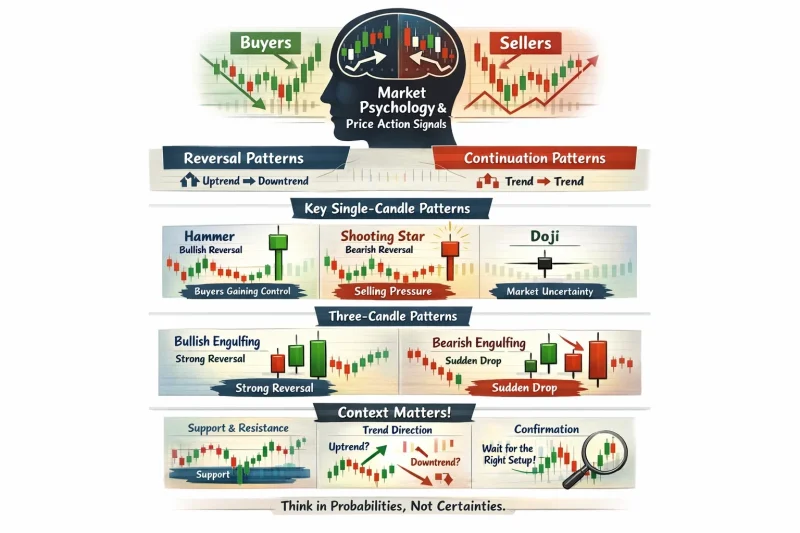
Candle Patterns & High-Probability Trading Strategies
Financial markets move in patterns shaped by human behaviour, liquidity, institutional participation, and…
Read More »
Why Forex Feels Like an Emotional Rollercoaster
Anyone who has dipped their toes into forex trading knows the experience is far from smooth. One moment…
Read More »
Forex Trading Mood Swings: Memes for Every Trader
Forex trading is not just about charts, candlesticks, and economic calendars. It's also about the emotional…
Read More »
Why My Affiliate Binary Options Is Better Than Yours
Pocket Options has recently introduced several innovative features designed to enhance the user experience .…
Read More »Traffic Coop Earnings
Ready to Monetise Your Traffic?
Stop letting your visitors slip away without value. With the LeadsLeap Co-op, you can turn every click into income. Join through my link below and I’ll personally share my tips for getting started fast.
Join My LeadsLeap Co-op Now
About the Author
Hello, I'm Patrick Wilson — an entrepreneur, artist, and storyteller driven by curiosity and passion. Through this blog, I explore and share meaningful content around a wide spectrum of lifestyle and success topics that matter to everyday people looking to live better, earn more, and grow intentionally.
From building a personal brand and making money online through proven digital strategies, to navigating the journey of personal finance and wealth-building — I bring real-world insights and tools to help you take control of your financial future.
I also document my pursuit of a healthy, balanced life — sharing inspiration around achieving fitness goals and living with purpose. As someone who appreciates both the aesthetic and the soulful, I dive deep into fine art, cultural history, and the enriching nuances of everyday lifestyle.
Whether I'm exploring breathtaking travel destinations across the globe or tending to the joys of home and garden, I aim to bring beauty, clarity, and useful ideas to every post.
If you're passionate about growth — financially, creatively, or personally — this blog is designed to inspire and support your journey.
Thanks for being here — let's grow together.