
How to Make Money from Your Website Easily

How to Make Money with Your Website: The Evergreen Guide to Passive Income
Picture this: you wake up in the morning, stretch, check your phone, and find that while you were asleep, your website quietly earned you money. No frantic publishing, no late-night product launches, no endless promotional campaigns. Just steady passive income generated from the content you already own. It sounds like the kind of dream every blogger, entrepreneur, or website owner has - but the truth is, it's far from a fantasy. If you know how to position your website correctly, this can become your reality.
In this guide, we'll explore not only the traditional ways of monetising websites, but also an often-overlooked system that quietly turns ordinary websites into reliable cash machines. Whether you run a small niche blog, a portfolio site, or a digital magazine, this evergreen strategy can unlock financial freedom for you. And here's the best part: it doesn't require you to churn out daily content or chase advertisers - once set up, it keeps working while you focus on other things in life.
The Common Website Monetisation Paths (and Their Pitfalls)
Before diving into the unique method, let's revisit the familiar territory. Most people, when they think of earning money from a website, immediately consider the following:
- Display ads - platforms like Google AdSense promise revenue for every click or impression your visitors make.
- Affiliate marketing - promoting products from Amazon, ClickBank, or niche networks in exchange for commissions.
- Sponsored content - brands paying you to write reviews, features, or promotional blog posts.
- Digital products - selling your own courses, eBooks, templates, or memberships.
While each of these can bring in money, they share common challenges. Ads usually require significant traffic before they pay off. Affiliate marketing is unpredictable, as commissions fluctuate with trends and buyer interest. Sponsored posts demand constant outreach to brands and negotiation. And selling your own products is wonderful, but it requires ongoing creation, marketing, and customer service.
What if there were a way to earn without these constant struggles? What if your content itself, just by existing, could be a valuable asset that advertisers would pay you to tap into - passively, on repeat? That's exactly what the lesser-known system we're about to explore provides.
The Overlooked Secret: Turning Your Website into a Backlink Asset
Search engines like Google thrive on connections. A website's authority is determined not just by its content, but also by the number and quality of links pointing to and from it. For businesses competing online, obtaining trustworthy backlinks is like striking gold. And here's where you come in: if you own a website with solid content and decent domain authority, advertisers will happily pay you for contextual backlink placements inside your posts.
This is the power of Magenet - a platform that bridges the gap between advertisers who want high-quality backlinks and publishers (like you) who already own valuable real estate on the web. Instead of scrambling to find brands to work with, Magenet brings them to your doorstep, offering to place links within your existing content. Every link you approve translates into monthly, recurring revenue.
The beauty? You don't have to overhaul your site, switch off your ads, or change your audience's experience. The system runs quietly in the background, monetising your authority without demanding endless effort.
How Magenet Works in Practice
If this is your first time hearing about contextual backlink monetisation, let's break it down into simple, actionable steps. Here's how you turn your website into a passive income engine with Magenet:
- Sign up - joining is free, and the process takes only a few minutes.
- Add your website - register your site in the system so advertisers can view its metrics.
- Receive offers - advertisers looking for links will send placement requests.
- Approve placements - you decide which links fit naturally into your content.
- Get paid monthly - every approved link generates a consistent payment, like digital rent for your content.
Unlike ad networks, where earnings fluctuate wildly based on traffic or seasonality, Magenet's model is refreshingly predictable. Once a link is live, the advertiser pays for it month after month until they no longer need it. This means your old blog post from 2017 could suddenly start paying you in 2025 without you lifting a finger.
You don't need to create new content, adjust your design, or even increase your traffic. All you do is approve link placements, and the system handles the rest.Who Can Benefit from Magenet?
You may be wondering if this is limited to large publishers or high-traffic news outlets. The surprising answer is no. Magenet is designed to work with a wide range of websites, provided they demonstrate authority and valuable content. Here are the kinds of website owners who can monetise with this model:
- Bloggers - even small lifestyle, travel, or niche bloggers can qualify.
- Affiliate marketers - sites already publishing product reviews or guides can double-dip into backlink revenue.
- Portfolio owners - designers, artists, and freelancers with personal websites gain a new revenue stream.
- News or magazine publishers - informational sites with rich content are perfect candidates.
- Anyone with decent content and domain authority - traffic helps, but authority matters more.
The key factor is not size but trustworthiness. If your site has built some recognition in the eyes of search engines, advertisers will find it attractive.
A Real-Life Example: How an Abandoned Blog Earned £297/Month
Let me share a story that illustrates the power of this method. A travel blogger I once connected with had grown tired of updating her site. For six months, no fresh articles went up. She assumed her blog was dead weight, gathering digital dust. Then she discovered Magenet, registered her site, and within two weeks had five backlink placements approved. Today, that "abandoned" blog quietly generates about £297 per month - with no ongoing effort from her side.
This is the definition of true passive income: no new content, no ads to manage, and no complicated technology to master. Just a forgotten website quietly paying its own bills.Is It Safe for SEO?
Whenever backlink monetisation comes up, website owners naturally raise concerns. Isn't this risky? Could it damage your hard-earned rankings? Those are fair questions - but Magenet's system is designed with safety in mind:
- You approve every link - nothing goes live without your consent.
- No spammy placements - only relevant, contextual links that blend into your content.
- Flexible removal - you can remove any link at any time if you feel uncomfortable.
- Advertiser vetting - the platform discourages low-quality or harmful link placements.
This approach is far safer than old-school "link selling schemes" that stuffed pages with irrelevant anchors. By keeping links natural and contextual, your site maintains its integrity and value in the eyes of both search engines and readers.
Why This Passive Model Works So Well
The magic lies in the recurring nature of the income. Instead of one-off payments like sponsored posts or fluctuating ad earnings, each approved backlink becomes a steady rental fee. It's like a tenant paying you to live inside your content:
- It's passive - once approved, the link generates income without extra effort.
- It's recurring - monthly payments continue until the advertiser cancels.
- It scales easily - add more websites, approve more links, multiply your revenue.
- It requires minimal setup - you can be earning within days, not months.
When combined with other methods like AdSense or affiliate marketing, this creates a diversified, resilient income portfolio for your website. Instead of relying on a single revenue stream, you spread your risk and build a more dependable online business.
Frequently Asked Questions About Monetising with Magenet
As with any new income model, website owners often have pressing questions before they take the plunge. Let's address some of the most common concerns to give you clarity and confidence.
1. Do I need a huge audience to qualify? No. Unlike display ads, where revenue depends on the number of impressions, Magenet focuses more on authority and content quality. Even websites with modest traffic (as little as 300-500 monthly visitors) can qualify if they have solid domain authority. This means niche sites, hobby blogs, and personal projects aren't excluded - in fact, they can be surprisingly profitable.
2. Can I combine Magenet with other monetisation methods? Absolutely. Magenet isn't a replacement for ads, affiliates, or digital products - it's a complementary system. You can continue running Google AdSense , affiliate links, or selling courses while also earning from contextual backlinks. In fact, layering income streams makes your site more resilient to market changes.
3. How do payments work? Magenet typically pays monthly, with popular options such as PayPal and direct bank transfers available. Once your earnings meet the withdrawal threshold, you can cash out with ease. This predictable payout cycle makes it simple to budget and reinvest into your online business.
4. Will this harm my search engine rankings? When done recklessly, selling links can indeed pose risks. But Magenet's system emphasises contextual, natural-looking placements. Since you approve each link, you maintain control over your site's editorial standards. Avoid stuffing irrelevant links, and you'll be in a safe zone where SEO remains intact.
5. How soon can I start earning? Once you sign up and add your site, opportunities may come in almost immediately, depending on your niche and domain authority. Some publishers see offers within days, while others may wait weeks. The important thing is that once placements are active, they continue to pay over time.
Advanced Strategies for Maximising Your Magenet Earnings
Getting started is simple, but if you want to truly maximise your passive income potential, you'll need to be strategic. Below are actionable tips to help you unlock higher profits:
- Maintain evergreen content - since advertisers prefer stable, lasting placements, focus on creating and maintaining timeless articles. Think "How-to Guides," "Ultimate Resources," and "Beginner's Tutorials."
- Build domain authority - invest in your SEO by securing high-quality backlinks, publishing consistent content, and optimising your technical site health. A stronger authority score attracts better offers.
- Accept only relevant links - resist the temptation to approve every offer. Relevance ensures your readers trust your content and keeps search engines viewing your site positively.
- Diversify across websites - if you own multiple sites, add them all. Each becomes a separate income stream, compounding your total earnings.
- Update old content strategically - refreshing older posts with slight edits makes them more attractive to advertisers while giving your site an SEO boost.
By adopting these practices, you're not just passively earning - you're creating a system that grows more profitable with time.
How This Method Compares with Other Website Monetisation Models
It's worth contrasting Magenet's backlink monetisation with other income strategies to highlight why it stands out. Here's a breakdown:
- Display ads - low entry barrier but heavily reliant on traffic. £1,000/month may require 100,000+ visitors.
- Affiliate marketing - potential for high earnings, but unpredictable and requires constant promotion.
- Sponsorships - lucrative for big bloggers but require ongoing negotiations and marketing work.
- Digital products - profitable but demand creativity, tech setup, and ongoing customer support.
- Magenet - steady, recurring, hands-off income that leverages the authority of your existing site.
While no single method is "best" for everyone, the beauty of Magenet lies in its minimal effort-to-reward ratio. You don't need to gamble on viral traffic or spend months creating a course. Your existing site, as it stands, is enough to begin earning.
Real-Life Scenarios: How Different Websites Profit
To make this more tangible, let's imagine three scenarios where Magenet can transform an ordinary site into a passive income stream:
Scenario 1: The Niche Hobby Blog Sam runs a blog about organic gardening. Traffic is modest - around 2,000 visitors a month. Through Magenet, he begins approving backlinks for eco-friendly products and sustainable farming resources. Within three months, he's making £150/month - enough to cover his website hosting and tools.
Scenario 2: The Dormant Portfolio Site Emma is a freelance graphic designer with an old portfolio site she rarely updates. To her surprise, Magenet brings backlink requests for design and marketing tools. Her once-forgotten site now generates £200/month without requiring any updates.
Scenario 3: The Growing Online Magazine A small news-style site covering entrepreneurship signs up. With consistent offers from financial and business advertisers, they gradually scale to £1,000/month in link placements, supplementing their ad revenue and affiliate sales.
These examples illustrate that Magenet is not confined to one type of site - it adapts to different niches, making it accessible for virtually any serious website owner.
Tips for Ensuring Long-Term Success
Passive income is wonderful, but like any business model, it needs maintenance to remain effective. Here are some long-term practices to safeguard and grow your income:
- Balance monetisation with user experience - ensure links feel natural, not forced, so readers continue to trust your site.
- Keep your site technically healthy - fast loading times, mobile-friendly design, and regular updates protect your authority.
- Review placements quarterly - check that existing links still align with your brand values and niche.
- Aim for diversity - don't rely solely on one income source. Combine backlinks with ads, affiliates, or products.
- Stay compliant - be aware of guidelines for sponsored content and disclosures in your region.
Think of your website as a rental property. The more you maintain and upgrade it, the more valuable it becomes - and the more advertisers are willing to pay for space within it.
Mindset Shift: From Blogger to Digital Landlord
The true magic of Magenet lies not just in the income, but in the shift it creates in how you see your website. Instead of treating your site as a hobby or a digital journal, you begin to view it as real estate. Each article is like a room in a house, and advertisers are willing tenants. Once you adopt this mindset, every post you publish becomes an asset that can earn you rent month after month.
And unlike physical property, your website doesn't require plumbing repairs or electricity bills. The maintenance is lighter, the setup cost is lower, and the potential reach is global. In many ways, digital real estate is more powerful than traditional property investments.
Ready to Begin Your Journey?
You're already sitting on the goldmine. If you own a website with decent authority and evergreen content, there's no reason not to explore this passive income model. Imagine where you could be a year from now: a portfolio of sites each quietly paying you rent while you focus on creativity, growth, or simply enjoying your time.
Getting started takes only minutes - but the rewards can last for years.
SEO Strategies to Strengthen Your Website for Passive Income
While Magenet allows you to monetise without high traffic, the truth is that authority and visibility still matter. The stronger your site's reputation in the eyes of search engines, the more attractive it becomes to advertisers. To future-proof your passive income, you need to focus on search engine optimisation (SEO). Let's break this into actionable steps.
On-Page Optimisation - ensure each page has a clear headline (
- Content Depth - long-form, comprehensive articles (like this one) tend to rank better. Instead of 500-word posts, aim for 2,000-3,000 words of valuable, evergreen insights.
- Internal Linking - guide visitors from one piece of content to another using optimised anchor text. For example, linking from a "passive income" article to your blog monetisation guide strengthens both pages.
- External Links - don't be afraid to link to authoritative sources. Search engines see this as a signal that you're contributing to the wider knowledge ecosystem.
- Technical SEO - a fast, mobile-friendly, and secure site (HTTPS) ensures better rankings and a smoother user experience.
When advertisers see your site's SEO health, they'll feel confident placing their backlinks. Think of SEO as the foundation: the stronger it is, the higher your rental rates for contextual links can climb.
Diversifying Beyond Backlink Monetisation
While Magenet provides a steady income, relying solely on one revenue stream is never wise. Imagine if all your earnings depended on a single advertiser, and they suddenly pulled out - your income would vanish overnight. That's why smart digital entrepreneurs diversify their monetisation strategies. Here are a few options to blend with Magenet:
- Ad networks - Google AdSense or premium platforms like Mediavine work well alongside backlinks.
- Affiliate programmes - niche-specific partners often pay generous commissions.
- Digital products - courses, eBooks, templates, or memberships provide higher one-time payouts.
- Email marketing - building a list allows you to promote products directly to an engaged audience.
- Sponsored posts - carefully selected partnerships can complement your backlink income.
Think of this as creating an ecosystem of income streams. Backlinks provide stability, ads give volume, affiliates offer spikes of profit, and products create ownership. Together, they form a diversified portfolio that mirrors real-world investing principles.
Building Authority in Your Niche
Authority is the currency of the internet. The more authoritative your site appears, the more valuable it becomes to advertisers and readers alike. Here's how to establish and grow your authority:
- Consistency in publishing - even if you don't post daily, regular updates show your site is active and maintained.
- Thought leadership - share unique insights, case studies, or data that others in your niche aren't offering.
- Networking - guest posts, interviews, and collaborations spread your influence across platforms.
- Community engagement - respond to comments, create discussions, or start a newsletter. Engaged audiences boost credibility.
- Branding - a clean design, recognisable logo, and professional tone all reinforce trust.
When your site is perceived as an authority, not only do advertisers line up for backlinks, but opportunities for partnerships, speaking engagements, and collaborations naturally follow. You stop being "just a blogger" and start becoming a trusted voice in your industry.
Future-Proofing Your Passive Income
The digital landscape changes quickly. What works in 2025 may look different in 2028. To keep your passive income evergreen, you'll want to future-proof your strategies. Here are the key principles:
- Avoid shortcuts - black-hat SEO tactics or spammy link selling may bring quick gains, but they collapse fast under Google's algorithm updates.
- Focus on evergreen niches - topics like health, finance, relationships, personal growth, and technology always have demand. Building authority in these areas ensures long-term relevance.
- Adapt to user behaviour - as voice search, AI-driven recommendations, and new platforms emerge, adjust your SEO and content strategies accordingly.
- Keep your content fresh - revisit older posts annually, update statistics, and keep them accurate. Advertisers love sites that stay current.
- Expand ownership - instead of relying on one site, create a small portfolio of properties across niches. If one slows down, others pick up the slack.
In essence, your goal is resilience. A resilient online business doesn't fear algorithm changes, traffic dips, or advertiser trends because it's built on solid, adaptable foundations.
Case Study: From Side Hustle to Digital Empire
Let's imagine an example of how someone could scale from a single passive income site to a full-fledged digital empire.
Step 1 - The Starter Blog: Jane begins with a personal finance blog. Traffic is slow, but she signs up with Magenet and begins earning £100/month from contextual backlinks.
Step 2 - Layering Income: Jane adds affiliate partnerships with budgeting tools and sees her earnings double. She experiments with a small digital product - a £15 eBook - and sells 30 copies in her first month.
Step 3 - Authority Building: By guest posting on other finance sites and appearing on podcasts, Jane boosts her site's reputation. Advertisers now offer higher rates for backlinks, pushing her passive income past £500/month.
Step 4 - Portfolio Expansion: Jane reinvests her profits into a second site about eco-friendly living. She replicates her system, and soon, both sites bring in steady, recurring income.
Step 5 - Scaling to a Business: With multiple websites, layered monetisation, and growing authority, Jane turns her once-small side hustle into a five-figure annual income. She now hires writers to expand her content, freeing herself from day-to-day management.
This fictional case illustrates what's possible when you stop treating your website as a hobby and start approaching it like a digital business. The principles remain evergreen: authority, diversification, and passive systems.
The Psychology of Passive Income
There's something deeply liberating about passive income. It changes not just your finances but your mindset. Here's why it matters:
- Freedom of time - income that arrives without active effort means you can focus on family, hobbies, or new ventures.
- Reduced stress - unlike freelancing or hourly jobs, you're not tied to trading time for money.
- Compounding effect - each new article or website becomes another asset, stacking income streams over time.
- Confidence and stability - knowing you have recurring revenue provides peace of mind and freedom to take creative risks.
This is why many digital entrepreneurs call passive income the "holy grail" of online business. It's not about becoming rich overnight - it's about building stability and choice into your life.
Your Action Plan for the Next 30 Days
If you're serious about turning your website into a passive income generator, here's a practical plan you can follow immediately:
- Week 1: Sign up for Magenet and add your website to the system. Review your old posts and identify evergreen content that could host backlinks.
- Week 2: Optimise your site's SEO - add internal links, update meta descriptions, and refresh outdated posts.
- Week 3: Begin accepting relevant backlink offers. Simultaneously, research affiliate programmes in your niche.
- Week 4: Draft a simple digital product idea (like a PDF guide) and plan its launch. Diversification starts here.
By the end of 30 days, you'll have a functioning passive income system running in the background - and the beginnings of a diversified business model for long-term success.

Final Thoughts: Turning Content into Capital
At its core, this strategy is about recognising the value of what you've already created. Every blog post, every piece of content, and every archived page is a potential revenue-generating asset. With platforms like Magenet, you no longer need millions of visitors or endless new content to monetise. Your existing website is already a digital property - all you need to do is rent out the space intelligently.
The internet rewards those who think like investors, not just creators. By treating your site as digital real estate, diversifying income, and building authority, you set yourself up for sustainable success in an ever-changing online world.

🚀 Start building your passive income system today - the sooner you begin, the sooner your website starts paying you back.


Recommended Affiliate Resources






You May Also Like
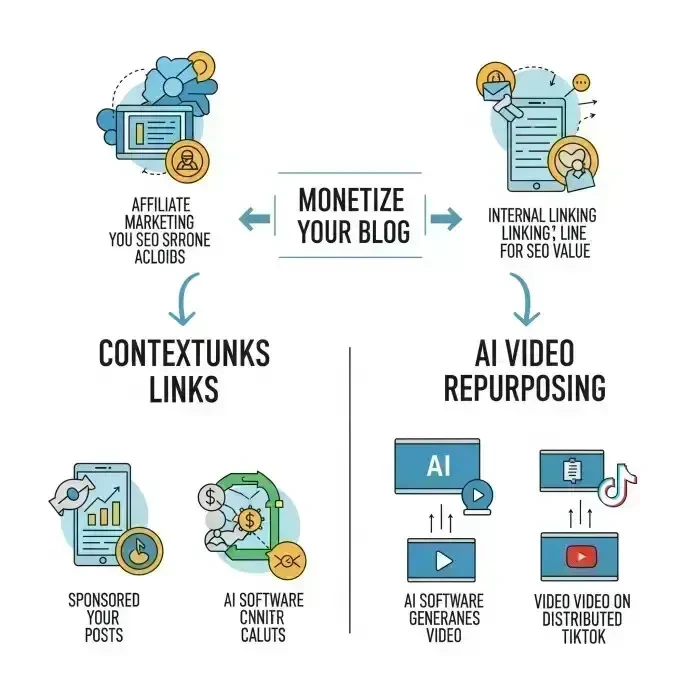
How to Monetise Your Blog With Contextual Links + AI Video Repurposing
Blogging today is far more than a creative outlet or a personal diary--it is a platform with the potential to…
Read More »
Creating & Monetising Your Blog
Blogging has evolved from a simple online diary into one of the most powerful digital business models…
Read More »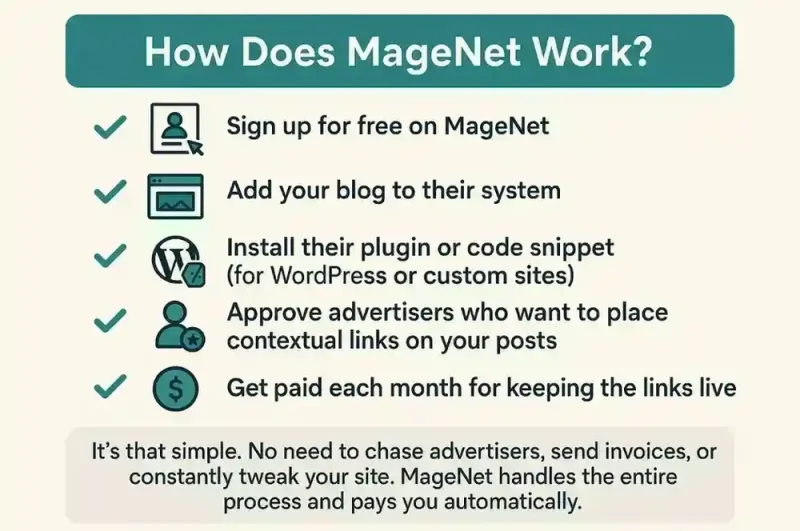
MageNet Review 2025: Monetise Your Blog Easily
If you have ever poured hours into writing a high-quality blog post, hit publish, and then watched it…
Read More »
Building a Profitable Online Business in 2026:
The modern digital economy has reshaped how individuals earn a living, build brands, and scale income beyond…
Read More »
Complete Guide to Online Business and Making Money Online
The internet has fundamentally transformed how people earn income, start businesses, and build financial…
Read More »
Profitable Online Business Ideas That Work in Kenya and Beyond
The internet has transformed how people earn, build careers, and create financial independence. Across Kenya…
Read More »Traffic Coop Earnings
Ready to Monetise Your Traffic?
Stop letting your visitors slip away without value. With the LeadsLeap Co-op, you can turn every click into income. Join through my link below and I’ll personally share my tips for getting started fast.
Join My LeadsLeap Co-op Now
About the Author
Hello, I'm Patrick Wilson — an entrepreneur, artist, and storyteller driven by curiosity and passion. Through this blog, I explore and share meaningful content around a wide spectrum of lifestyle and success topics that matter to everyday people looking to live better, earn more, and grow intentionally.
From building a personal brand and making money online through proven digital strategies, to navigating the journey of personal finance and wealth-building — I bring real-world insights and tools to help you take control of your financial future.
I also document my pursuit of a healthy, balanced life — sharing inspiration around achieving fitness goals and living with purpose. As someone who appreciates both the aesthetic and the soulful, I dive deep into fine art, cultural history, and the enriching nuances of everyday lifestyle.
Whether I'm exploring breathtaking travel destinations across the globe or tending to the joys of home and garden, I aim to bring beauty, clarity, and useful ideas to every post.
If you're passionate about growth — financially, creatively, or personally — this blog is designed to inspire and support your journey.
Thanks for being here — let's grow together.