
The Secret to Succeeding in Online Entrepreneurship
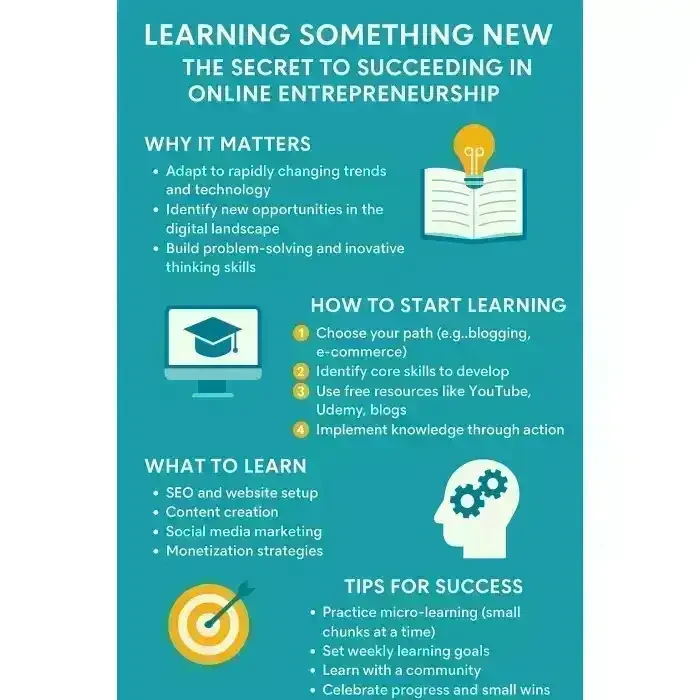
How to Launch Your Journey into Online Entrepreneurship
Embarking on the path of online entrepreneurship can feel both exhilarating and daunting. The idea of running a business from the comfort of your home, with the potential to reach millions globally, is undeniably appealing. Yet, for many, the question remains: how do I start? This guide will take you step by step through launching your journey into online entrepreneurship, blending practical advice, real-life examples, and strategic tips to set you up for long-term success.
Understanding Online Entrepreneurship
Before diving into the tools and strategies, it's essential to understand what online entrepreneurship truly entails. Unlike traditional businesses, online entrepreneurship primarily relies on digital platforms to deliver products, services, or content to a global audience. This can range from selling physical products through e-commerce platforms to offering digital courses, coaching, or affiliate marketing.
Online entrepreneurship is not just about having a website or an online store. It's a mindset--a commitment to leveraging technology, marketing strategies, and creativity to generate revenue. Understanding this foundation will help you navigate challenges and make informed decisions as you grow your online venture.
The Benefits of Online Entrepreneurship
- Flexibility: Work from anywhere and set your own schedule.
- Scalability: Reach a global audience without geographical limitations.
- Lower Overhead: Avoid the high costs of physical storefronts.
- Diverse Revenue Streams: Combine multiple income sources, such as e-commerce, digital products, and affiliate marketing.
These advantages make online entrepreneurship attractive to beginners and seasoned business owners alike. But with great opportunity comes the responsibility of learning, planning, and executing your strategy effectively.
Step 1: Discover Your Niche
One of the first and most crucial steps in online entrepreneurship is finding a profitable niche. A niche is a specialised segment of the market where you can provide value, differentiate yourself, and attract a loyal audience.
Why a Niche Matters
Targeting a broad market might seem appealing, but it often leads to diluted efforts and fierce competition. By narrowing your focus, you can:
- Become an expert in a specific field.
- Attract a more engaged audience.
- Create tailored products or services that meet precise needs.
How to Identify Your Niche
Start by combining your passions, skills, and market demand:
- Assess Your Interests: What topics do you enjoy discussing or exploring?
- Evaluate Your Expertise: Which skills or knowledge can you offer that others value?
- Research Market Demand: Use tools like Google Trends, Ahrefs, or SEMrush to find trending topics with high search volume and low competition.
For instance, if you love fitness and have expertise in yoga, your niche could be "online yoga programs for busy professionals." This combination ensures passion meets opportunity--a key ingredient for sustainable online entrepreneurship.
Step 2: Build Your Personal Brand
In the online world, trust and credibility are everything. Your personal brand is how people perceive you and your business. A strong personal brand sets you apart, attracts clients, and positions you as an authority in your niche.
Elements of a Strong Personal Brand
- Authenticity: Be genuine about your story, skills, and mission.
- Consistency: Maintain a uniform presence across social media, websites, and content platforms.
- Expertise: Share knowledge through blogs, videos, and tutorials.
- Engagement: Interact with your audience through comments, newsletters, or webinars.
Consider creating a professional website that reflects your brand. Include a compelling about page , showcase your services or products, and regularly publish valuable content to attract organic traffic.
Step 3: Choose the Right Business Model
Online entrepreneurship offers a plethora of business models. Choosing the right one depends on your skills, resources, and long-term goals.
Popular Online Business Models
- E-commerce: Selling physical products through platforms like Shopify, WooCommerce, or Etsy.
- Digital Products: E-books, online courses, templates, and printables.
- Affiliate Marketing: Promoting products or services of other brands for a commission.
- Freelancing & Consulting: Offering professional services such as graphic design, writing, or coaching.
- Subscription Services: Membership sites, newsletters, or SaaS (Software as a Service) solutions.
Many successful entrepreneurs combine multiple streams to diversify income. For example, a fitness coach might sell online courses, offer consulting, and promote affiliate products, maximising revenue potential.
Step 4: Create a Website That Converts
Your website is the digital storefront of your online business. A well-designed website not only showcases your offerings but also converts visitors into paying customers.
Essential Elements of a High-Converting Website
- Clear Value Proposition: Explain immediately what you offer and why it matters.
- User-Friendly Design: Ensure easy navigation, fast loading speeds, and mobile responsiveness.
- Compelling Call-to-Actions (CTAs): Encourage visitors to subscribe, buy, or contact you.
- SEO Optimisation: Use keywords strategically in your content, headings, and meta tags.
- Trust Signals: Include testimonials, reviews, and security badges.
Tools like WordPress, Wix, and Squarespace make website creation accessible even for beginners. Integrating payment gateways, email marketing, and analytics ensures a seamless experience for both you and your audience.
Step 5: Develop a Content Strategy
Content is the backbone of online entrepreneurship. Whether through blogs, videos, podcasts, or social media, content establishes authority, educates your audience, and drives organic traffic.
Key Components of an Effective Content Strategy
- Audience Research: Understand your audience's pain points, desires, and preferred content formats.
- Keyword Research: Identify high-search, low-competition keywords relevant to your niche.
- Content Calendar: Plan and schedule posts to maintain consistency.
- Quality over Quantity: Focus on providing actionable insights, stories, and solutions.
For SEO success, consider internal linking strategies. For example, link related articles within your blog content to enhance user experience and increase time on site. Check your internal links regularly to maintain site structure integrity: internal links resource .
Step 6: Leverage Social Media
Social media platforms are powerful tools to grow your online business, build relationships, and drive traffic to your website.
Choosing the Right Platforms
Select platforms where your target audience spends most of their time. For visual products, Instagram and Pinterest may be ideal, whereas LinkedIn suits B2B services. Facebook remains versatile for communities and ads, and TikTok offers rapid viral growth potential.
Strategies for Social Media Success
- Engaging Content: Use storytelling, tutorials, and behind-the-scenes insights.
- Consistency: Post regularly to maintain audience interest.
- Community Interaction: Respond to comments, DMs, and mentions to build trust.
- Paid Ads: Targeted campaigns can accelerate growth when used strategically.
Remember, social media is not just about selling--it's about creating a loyal community that believes in your brand and shares your message.
Step 7: Implement Email Marketing
Email marketing remains one of the most effective ways to convert prospects into customers. It allows you to nurture relationships, share updates, and promote offerings directly to interested audiences.
Building an Email List
Offer valuable incentives, such as free e-books, checklists, or mini-courses, to encourage visitors to subscribe. Tools like Mailchimp, ConvertKit, and AWeber simplify list building and automation.
Email Campaign Strategies
- Welcome Series: Introduce your brand and set expectations for new subscribers.
- Educational Content: Provide insights, tutorials, or case studies that add value.
- Promotional Emails: Highlight products, offers, or upcoming events.
- Personalisation: Tailor content to subscriber preferences to increase engagement.
Consistent email communication nurtures trust, keeps your audience engaged, and drives recurring sales.
Step 8: Track, Analyse, and Optimise
Data-driven decisions are crucial for online entrepreneurship. Analysing performance allows you to identify what works, what doesn't, and how to improve.
Key Metrics to Monitor
- Website Analytics: Track traffic sources, bounce rates, and conversions.
- Email Metrics: Open rates, click-through rates, and unsubscribes.
- Social Media Insights: Engagement, reach, and follower growth.
- Sales Data: Revenue, average order value, and customer acquisition cost.
Use tools like Google Analytics, Facebook Insights, or SEMrush to monitor performance. Continuously optimising your strategies based on data ensures sustainable growth.
Step 9: Invest in Learning and Networking
Online entrepreneurship is a journey of continuous learning. Stay updated on trends, technologies, and marketing strategies to maintain a competitive edge.
Ways to Learn and Grow
- Join online courses, webinars, or workshops relevant to your niche.
- Engage with online communities and forums for entrepreneurs.
- Follow thought leaders and industry experts for insights.
- Attend networking events and conferences to build connections.
Networking not only opens doors to collaborations and partnerships but also provides mentorship and inspiration that can accelerate your journey.
Step 10: Stay Persistent and Adaptable
Success in online entrepreneurship rarely happens overnight. Persistence, resilience, and adaptability are essential traits for long-term achievement.

- Expect setbacks and view them as learning opportunities.
- Stay updated with technology and market trends, adjusting your strategies accordingly.
- Celebrate small wins to maintain motivation and momentum.
Remember, every successful entrepreneur started somewhere. The key is to take consistent action, learn from experience, and keep moving forward.
Conclusion: Start Today
Launching your journey into online entrepreneurship is a blend of strategy, creativity, and dedication. By discovering your niche, building a strong personal brand, choosing the right business model, and implementing effective marketing strategies, you set the foundation for success.

Embrace the process, stay curious, and leverage the digital tools available. Whether you aim to generate a side income or build a full-time business, every step you take today brings you closer to your entrepreneurial dreams. Begin your journey now, and watch as your online venture grows, connecting you with opportunities and audiences worldwide.
---

Recommended Affiliate Resources





You May Also Like

Why Online Presence Matters in 2025
In the modern digital era, having an online presence is no longer optional . Whether you are an entrepreneur,…
Read More »
Small Online Business Ideas: Models, Trends and Tools for 2024-2025
The online marketplace is booming and ripe for entrepreneurs. Global e-commerce sales are expected to top…
Read More »
9 Reasons to have a Website for your Business
In the wake of the lockdown, businesses have realised the crucial importance of having a strong online…
Read More »
Building a Profitable Online Business in 2026:
The modern digital economy has reshaped how individuals earn a living, build brands, and scale income beyond…
Read More »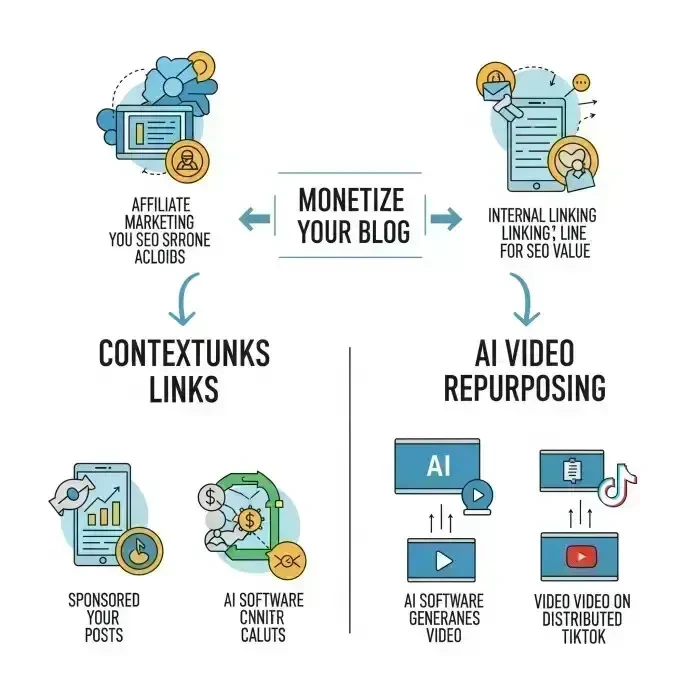
How to Monetise Your Blog With Contextual Links + AI Video Repurposing
Blogging today is far more than a creative outlet or a personal diary--it is a platform with the potential to…
Read More »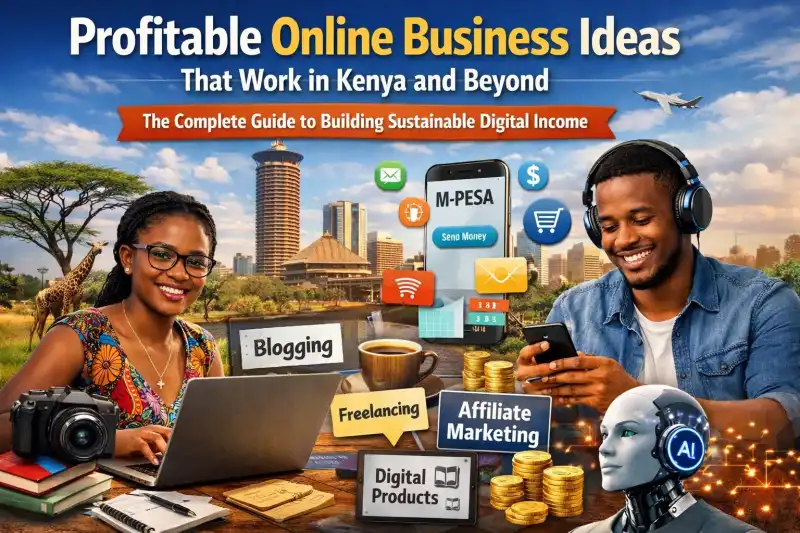
Profitable Online Business Ideas That Work in Kenya and Beyond
The internet has transformed how people earn, build careers, and create financial independence. Across Kenya…
Read More »Traffic Coop Earnings
Ready to Monetise Your Traffic?
Stop letting your visitors slip away without value. With the LeadsLeap Co-op, you can turn every click into income. Join through my link below and I’ll personally share my tips for getting started fast.
Join My LeadsLeap Co-op Now
About the Author
Hello, I'm Patrick Wilson — an entrepreneur, artist, and storyteller driven by curiosity and passion. Through this blog, I explore and share meaningful content around a wide spectrum of lifestyle and success topics that matter to everyday people looking to live better, earn more, and grow intentionally.
From building a personal brand and making money online through proven digital strategies, to navigating the journey of personal finance and wealth-building — I bring real-world insights and tools to help you take control of your financial future.
I also document my pursuit of a healthy, balanced life — sharing inspiration around achieving fitness goals and living with purpose. As someone who appreciates both the aesthetic and the soulful, I dive deep into fine art, cultural history, and the enriching nuances of everyday lifestyle.
Whether I'm exploring breathtaking travel destinations across the globe or tending to the joys of home and garden, I aim to bring beauty, clarity, and useful ideas to every post.
If you're passionate about growth — financially, creatively, or personally — this blog is designed to inspire and support your journey.
Thanks for being here — let's grow together.