Exploring Amazon Global Dominance
Introduction

When most people hear the word Amazon, they immediately think of the familiar yellow smile on a cardboard box arriving at their doorstep. Yet the truth is that Amazon has grown into far more than just an e-commerce platform. It has become a technological powerhouse, an employer of millions, a cloud-computing leader, and a company that has fundamentally changed how humans buy, sell, work, and connect. In the modern digital era, understanding Amazon's scope is not simply about knowing where to shop online; it is about grasping how one company has reshaped industries, influenced lifestyles, and sparked heated debates across the globe.
Founded in 1994 by Jeff Bezos in his garage, Amazon began as a modest online bookstore. Few could have predicted that in just over two decades, it would expand into a trillion-dollar enterprise with tentacles reaching into logistics, artificial intelligence, digital entertainment, and even healthcare. Today, Amazon's impact is so immense that governments study its tax policies, economists analyse its labour model, entrepreneurs imitate its strategies, and consumers rely on its services daily.
Why Amazon Matters in Everyday Life
Amazon's relevance is not abstract. It affects you and me directly. From the time you wake up and ask Alexa for the weather, to when you stream a series on Prime Video, to when your business leverages Amazon Web Services (AWS) to host its website, Amazon quietly powers countless facets of modern living. Even if you do not shop on Amazon, chances are the websites you visit, the apps you use, or the companies you trust are built on Amazon's digital backbone.
The Dual Face of Amazon: Opportunity and Controversy
But Amazon is not without controversy. For every headline about lightning-fast delivery and innovative drones, there is another about labour disputes, monopolistic behaviour, or privacy concerns. Small businesses complain about being squeezed by Amazon's dominance. Workers raise alarms about warehouse conditions. Regulators investigate the company's influence on markets. To understand Amazon is to explore both sides of the coin: its ability to revolutionise commerce and its capacity to spark ethical, economic, and social debates.
Amazon as an Employer
One of the most common questions asked is: "How much does Amazon pay?" This is not just curiosity--it reflects the scale of Amazon's workforce and its role in shaping labour markets. Amazon is one of the largest private employers in the world, with over 1.5 million employees. From hourly warehouse workers to highly paid software engineers, the company's pay structure, benefits, and career opportunities reveal how it competes for talent and maintains operations at an extraordinary scale.
Amazon as a Remote Work Provider
As remote work exploded after the pandemic, Amazon adapted by offering work-from-home opportunities in customer service, corporate functions, and technology roles. For many, this flexibility represents financial stability and work-life balance. Understanding Amazon's work-from-home pay gives insight into how a global giant accommodates the changing nature of work.
Amazon Web Services: The Hidden Giant
If Amazon's online shop is its face to the world, then AWS is its beating heart. Powering everything from Netflix to NASA, AWS has become the backbone of the internet. Cloud computing is no longer a niche--it is the infrastructure of modern business. AWS allows startups to scale quickly without massive investment and enables enterprises to run complex global systems with agility. Learning about AWS is not just for tech experts; it is essential knowledge for entrepreneurs, investors, and even consumers who unknowingly depend on it.
Amazon's Role in Culture and Daily Convenience
Amazon's website and app are now cultural landmarks. One-click purchasing, fast delivery, Prime perks, and personalised recommendations have not only redefined shopping convenience but also shaped consumer psychology. People trust Amazon for choice, speed, and reliability, often bypassing traditional retailers. But this convenience comes with trade-offs, such as overreliance on a single company, environmental impact from packaging and logistics, and questions about the future of local businesses.
What This Guide Covers
In this comprehensive deep-dive, we will go beyond surface-level facts and explore the most pressing and highly searched questions about Amazon, including:
- How much Amazon pays per hour, and what employees really take home with benefits.
- The reality of Amazon's work-from-home opportunities and whether they are sustainable long-term.
- Why Amazon continues to dominate global retail and the psychology behind its popularity.
- The true purpose of Amazon's site beyond selling products, including its push into entertainment and services.
- The advantages and disadvantages of AWS, and how it quietly supports millions of websites worldwide.
- The broader pros and cons of Amazon for consumers, employees, and businesses.
Why This Matters to You
Whether you are an entrepreneur building your next big idea, a professional considering a career move, a student learning about technology, or simply a curious consumer, Amazon is relevant. Understanding how Amazon operates equips you with knowledge that influences personal choices, career planning, and business strategies . With Amazon shaping not only shopping but also logistics, cloud infrastructure, and artificial intelligence, the more you know about it, the more informed your decisions become.
This is not just an article; it is a roadmap to understanding one of the most powerful forces in the 21st century. By the end of this guide, you will have a well-rounded perspective on Amazon: its pay structures, its work-from-home models, its cultural influence, its technological backbone, and its societal impact.
How Much Does Amazon Pay for 1 Hour?
When people search "How much does Amazon pay per hour?", the answer is not simply a number. It is a story of corporate strategy, worker demand, living wages, and the balance between affordability for consumers and fairness for employees. Amazon is one of the largest employers in the world, and with that status comes scrutiny. Every hourly rate, every benefit package, and every pay rise announced has ripple effects across industries and even influences wage policies at competing companies.
Amazon's Official Hourly Wage in 2025
As of 2025, Amazon publicly states that the average starting wage for its frontline employees in the United States is over $22 per hour. On paper, this represents a steady increase from previous years, reflecting Amazon's attempt to stay competitive in a labour market that has shifted since the COVID-19 pandemic. But when benefits are included--such as health insurance, paid time off, and tuition assistance--the total compensation package is often valued at closer to $29 per hour according to Amazon's own reports (
).
This pay is notable because it is above the federal minimum wage in the U.S., which still sits at $7.25 per hour, a rate unchanged since 2009. In fact, Amazon made headlines years ago when it introduced its own internal minimum wage of $15 per hour long before many states considered similar policies. That move forced competitors like Walmart and Target to re-examine their pay structures. Today, $22 per hour marks another leap forward, but whether that is considered "good pay" depends on the lens through which it is viewed.
The Reality Behind the Numbers
Numbers on a press release often paint a simplified picture. For many Amazon employees, the lived reality is nuanced. A warehouse worker earning $22 per hour in California may struggle with housing costs that can easily swallow half of their income. Meanwhile, an Amazon associate in a smaller town may find that wage far exceeds local alternatives, providing a meaningful boost in quality of life. Thus, Amazon's hourly pay is both celebrated and criticised depending on context.
Breaking Down Amazon's Pay Structure
- Warehouse Associates: Typically earn the baseline $22 per hour, with opportunities for overtime pay, which is 1.5 times the base rate. During peak shopping seasons such as Black Friday and Christmas, overtime can significantly increase take-home pay.
- Delivery Drivers: Wages range between $20 and $25 per hour, depending on location, demand, and whether they work directly for Amazon or through a Delivery Service Partner (DSP).
- Customer Service Representatives: Remote workers often start around $18 per hour, but some roles in specific states pay higher to account for cost of living.
- Technical and Skilled Roles: Higher-skilled hourly positions such as data centre technicians or equipment operators may command between $25 and $35 per hour.
Comparisons with Industry Peers
It is important to view Amazon's wages in comparison with similar companies. Walmart, one of Amazon's primary competitors in retail, has raised its starting wage to between $14 and $19 per hour depending on role and geography. Target and Costco also hover in that range, with Costco long regarded as a leader in paying above-average retail wages. Against this backdrop, Amazon's $22 base stands out as one of the highest, positioning the company as a wage leader in the low-to-mid skill employment market.
However, critics point out that while wages may look attractive, the intensity of Amazon's work environment sets it apart. Employees report high productivity quotas, timed breaks, and relentless monitoring, leading to the question: Does the higher pay truly offset the demanding conditions?
The Impact of Benefits Beyond Hourly Pay
When considering Amazon's compensation, one cannot ignore the benefits attached. Hourly employees are eligible for healthcare packages, 401(k) retirement contributions, paid parental leave, and Career Choice--a programme that funds education in fields ranging from nursing to IT, even if the employee does not intend to stay with Amazon. This aspect is particularly significant because it positions Amazon not just as an employer, but as a stepping stone for career growth.
For many, the opportunity to have tuition covered is worth thousands of dollars annually. Combined with health insurance, which can save families significant sums, the real value of $22 per hour extends far beyond the number printed on a payslip.
Global Perspective on Amazon's Hourly Pay
Amazon is a global company, and its hourly pay varies drastically by country. In the United Kingdom, for example, Amazon warehouse staff typically earn between £12 and £15 per hour as of 2025, which is above the national living wage. In Germany, one of Amazon's most important European markets, wages average €13 to €15 per hour, though frequent strikes led by unions demand even higher rates. In India and parts of Africa, wages are much lower, reflecting different economic contexts, though critics argue that Amazon benefits from cheap labour markets while applying less stringent standards abroad.
The Ripple Effect on Labour Markets
Amazon's pay strategy has a ripple effect beyond its own employees. Local businesses often struggle to compete with Amazon's wages, leading to labour shortages in small retail and hospitality industries. Conversely, Amazon's higher pay pushes competitors to improve their own wage offerings, raising the standard across regions. Economists often refer to this as the Amazon Effect on Labour.
Voices from the Workforce
Understanding Amazon's hourly pay is incomplete without listening to the people living it. Many employees acknowledge that the pay is higher than what they could find elsewhere, particularly in rural areas. Yet, they describe a trade-off: physical exhaustion, strict targets, and a sense of being constantly monitored. "The pay is good," one associate shared in a Glassdoor review , "but you earn every cent of it with the intensity of the work."
Others highlight the benefits: "Amazon helped me get my degree through Career Choice, and now I'm moving into IT. Without that, I'd still be stuck in a dead-end job." These contrasting perspectives underscore why the question of Amazon's hourly pay is not simply financial--it is about quality of life and opportunity.
The Bigger Picture: Is $22 Enough?
In cities like San Francisco, Los Angeles, or New York, $22 per hour can feel insufficient, with housing, transportation, and healthcare costs eroding income. Yet in smaller towns, the same wage represents stability and upward mobility. Amazon, therefore, finds itself balancing a national pay policy against local economic realities, and critics argue that the company should adapt wages more aggressively to match regional living costs.
Amazon's Wage Policies as a PR Tool
It is also worth noting that Amazon uses its wage announcements as a form of public relations. When the company raises wages, it often garners positive headlines and positions itself as a progressive employer. However, labour unions argue that the increases are often reactive--introduced when Amazon faces worker shortages or public criticism. In other words, while $22 per hour is undeniably significant, it is also part of a broader corporate strategy to maintain its image.
Future of Amazon's Hourly Pay
Looking forward, analysts predict Amazon will continue raising wages incrementally, particularly in high-cost states and countries where competition for labour is fierce. Automation may also play a role; as warehouses adopt robotics, the nature of human roles will shift, potentially creating fewer but higher-paying positions. Whether Amazon will reach $25 or even $30 per hour as a baseline in the coming decade remains a topic of speculation, but one thing is clear: Amazon will remain a wage trendsetter in the global market.
Key Takeaways
- Amazon's average U.S. starting wage in 2025 is $22 per hour, with total compensation valued around $29 per hour including benefits.
- Pay varies by role, geography, and season, with overtime opportunities boosting income significantly.
- Amazon's benefits--including health insurance, retirement contributions, and tuition support--add immense value beyond the hourly rate.
- Compared to industry peers, Amazon remains a wage leader, though concerns about work intensity persist.
- The global picture varies, with wages in Europe above local averages and wages in developing countries significantly lower.
Ultimately, the question "How much does Amazon pay for 1 hour?" opens a window into the company's identity as both a progressive employer setting industry benchmarks and a controversial corporation facing criticism over conditions. For job seekers, the answer may look attractive. For policymakers, it raises debates about living wages and corporate responsibility. For competitors, it sets a new bar. And for consumers, every hourly rate paid by Amazon is indirectly tied to the convenience and low prices they experience at checkout.
How Much Does Amazon Pay You to Work from Home?
The rise of remote work has transformed how millions of people earn a living, and Amazon has been at the forefront of this change. While the company is famous for its warehouses and delivery network, it also employs tens of thousands of remote workers around the globe. For many, the burning question is simple: "How much does Amazon actually pay you to work from home?" The answer, however, depends on role, location, experience, and the evolving dynamics of the digital workplace.
The Shift Towards Remote Work
Before 2020, Amazon's remote work opportunities were relatively limited. The company occasionally hired virtual customer service associates and a handful of corporate employees who were permitted to work from home. But the COVID-19 pandemic accelerated remote work globally, forcing Amazon to expand its virtual workforce at an unprecedented pace. Today, remote work is not just a temporary fix for Amazon--it is part of its long-term employment strategy.
Typical Pay for Amazon's Remote Roles
According to data from Glassdoor , Amazon work-from-home customer service representatives earn an average of $18 per hour. This figure varies slightly depending on state, experience, and demand, but it represents Amazon's most widely advertised remote position. While $18 is lower than Amazon's warehouse baseline wage of $22, it reflects the fact that remote workers save money on commuting, uniforms, and other out-of-pocket expenses.
Pay Ranges by Role
- Customer Service Associates: $16 - $20 per hour. These employees handle inbound calls, emails, and chat requests from Amazon customers across the globe. Many work part-time, though full-time roles are also available.
- Technical Support Specialists: $20 - $28 per hour. These roles require troubleshooting technical issues related to Amazon's devices (Kindle, Fire TV, Echo) and may demand more technical training.
- Corporate Remote Roles: Salaried positions in HR, finance, and project management often exceed $25 per hour when broken down, with annual salaries ranging from $50,000 to well over $100,000 depending on seniority.
- Virtual Seasonal Jobs: During high-demand seasons such as Prime Day and Christmas, Amazon frequently hires seasonal remote associates at $17 - $20 per hour with opportunities for overtime.
Factors That Influence Amazon's Remote Pay
Amazon's work-from-home pay is not uniform; several factors influence the final number:
- Location: While remote, Amazon often adjusts pay rates based on the cost of living in a worker's state or region.
- Experience: Workers with prior customer service or technical expertise can sometimes negotiate higher starting rates.
- Shift Type: Overnight, weekend, or holiday shifts may pay slightly more than standard daytime schedules.
- Language Skills: Bilingual associates (Spanish, French, German, etc.) often receive higher pay due to increased demand for multilingual support.
Benefits That Add Value Beyond Hourly Pay
One of Amazon's biggest draws is not just the hourly rate but the benefits attached to remote positions. Full-time remote employees typically receive:
- Healthcare Coverage: Medical, dental, and vision plans, often starting from the first day of employment.
- Retirement Plans: 401(k) contributions with Amazon matching a percentage of employee contributions.
- Paid Time Off: Vacation days, sick leave, and holiday pay.
- Career Choice Programme: Tuition assistance for approved fields of study, enabling remote workers to further their education.
- Employee Discounts: Access to discounts on Amazon products and services, often around 10% with annual caps.
For many workers, these benefits make a remote role with Amazon more lucrative than a slightly higher-paying job elsewhere that offers no additional support. A single family health insurance plan can cost thousands annually, so its inclusion adds immense value to a modest hourly rate.
The Work Itself: What Does a Day Look Like?
Amazon's remote employees typically work structured shifts. Customer service associates, for instance, may start their day by logging into a secure Amazon portal, receiving calls or chats from customers, and handling issues ranging from delivery delays to billing queries. Metrics such as call time, customer satisfaction, and resolution speed are closely monitored. Breaks are scheduled, and adherence to shift timing is expected to be precise. While the job is remote, it is far from "relaxed."
On the other hand, remote corporate employees often enjoy more flexible schedules. They may spend their day in virtual meetings, analysing data, or managing projects. These roles often require more collaboration but also provide more autonomy compared to frontline customer service work.
The Pros of Working from Home with Amazon
- Flexibility: Remote roles eliminate commute times, saving hours each week and reducing expenses on transport and childcare.
- Stability: Amazon is a Fortune 500 company with global recognition, offering stable employment in an uncertain economy.
- Entry-Level Opportunities: Many remote roles do not require advanced degrees, making them accessible to a wide range of applicants.
- Career Growth: Employees can transition from remote customer service into higher-paying roles in tech, operations, or HR, often using Amazon's Career Choice programme.
The Cons of Working from Home with Amazon
- High Monitoring: Like in warehouses, remote employees are often monitored through productivity metrics, leading to a sense of constant surveillance.
- Limited Pay Growth: Customer service roles rarely move beyond $20-$22 per hour unless employees transition to new departments.
- Strict Schedules: Breaks and working hours are tightly controlled, offering less flexibility compared to freelance or other remote jobs.
- Isolation: Remote work can feel lonely, with limited social interaction beyond virtual meetings.
Amazon's Remote Jobs Around the World
In the United States, Amazon remains one of the biggest employers of remote workers. However, remote opportunities are also expanding internationally. In the UK, for example, Amazon's virtual customer service associates earn around £12 - £14 per hour. In Canada, hourly pay averages CAD 20 - CAD 23. In countries like India, where wages are lower, Amazon hires large numbers of remote associates at rates aligned with local markets, often around INR 250 - 400 per hour.
Real Stories from Remote Workers
Many employees praise the opportunity to earn a steady income from home. "I started as a seasonal customer service agent and turned it into a full-time role. The pay is fair, but the best part is not having to commute two hours a day," one employee shared in a Reddit discussion . Others highlight the challenges: "The metrics are intense. If you're not used to being constantly measured, it can feel stressful."
Comparisons with Other Remote Employers
Compared to other major remote employers like Apple (which hires remote tech support), Concentrix, or Sitel, Amazon's $18 per hour pay sits comfortably in the mid-to-high range. Some competitors offer lower wages but provide more relaxed metrics, while others pay more but expect advanced technical knowledge. Amazon's draw is its brand recognition, benefits, and clear growth paths.
The Future of Amazon Remote Jobs
Remote work is not going away, and Amazon is poised to expand its virtual workforce. Analysts expect the company to increase pay slightly as competition for skilled remote workers rises, particularly in bilingual and technical support roles. Additionally, as AI and automation handle routine customer service queries, future remote positions may shift towards more complex problem-solving tasks that command higher wages.
Key Takeaways
- Amazon's remote customer service associates earn around $18 per hour, with variations based on location and experience.
- Technical and corporate remote roles can pay significantly more, often exceeding $25 per hour or equivalent salaried amounts.
- Benefits such as healthcare, retirement contributions, and tuition assistance add considerable value to the base hourly rate.
- Remote work with Amazon offers flexibility and stability but comes with strict performance monitoring and limited pay growth for entry-level roles.
- As demand for remote work continues, Amazon is expected to expand opportunities and gradually increase compensation.
So, how much does Amazon pay you to work from home? On the surface, it may be $18 per hour for many, but when benefits, stability, and growth potential are considered, the value is far greater. For those seeking a reliable entry point into remote work--with the chance to build a career inside one of the most influential companies in the world--Amazon's remote roles offer a compelling option.
Why Is Amazon So Popular?
Few companies in history have reshaped global commerce as profoundly as Amazon. From its humble beginnings as an online bookstore in 1994, Amazon has grown into a trillion-dollar empire, spanning everything from e-commerce to cloud computing, entertainment, logistics, and even healthcare. But what explains its extraordinary popularity among consumers, sellers, and even competitors who end up partnering with it? To understand Amazon's success, we need to examine the interplay of technology, psychology, strategy, and cultural trends that make it one of the most trusted and frequently used brands on earth.
The Convenience Factor
At its core, Amazon's popularity stems from convenience. Shoppers today want speed, reliability, and a frictionless experience--and Amazon delivers all three. With features like one-click ordering, same-day delivery, and a vast catalogue of products ranging from books to groceries to electronics, Amazon has become the default option for millions of households. For many people, the brand name itself has become synonymous with online shopping. When faced with a need--whether it's a last-minute gift or a replacement phone charger--consumers instinctively think, "I'll check Amazon."
Amazon Prime: A Game-Changer
Launched in 2005, Amazon Prime revolutionised customer loyalty. For an annual or monthly subscription, members receive free two-day shipping (now often one-day or even same-day), access to Prime Video, music streaming, exclusive discounts, and more. Today, Prime boasts over 200 million members worldwide, creating a powerful ecosystem where customers not only shop but also consume entertainment, store photos, and even use grocery delivery through Whole Foods. Prime's "all-in-one" appeal makes cancelling feel like losing access to essential services, ensuring customer stickiness.
Vast Selection: The Everything Store
One of Amazon's founding promises was to be "the everything store." From the start, Jeff Bezos envisioned a platform where consumers could find virtually anything they wanted without leaving their homes. This vision has been realised through a mix of direct sales and third-party sellers. Today, more than half of the products sold on Amazon come from independent businesses using its marketplace. Whether you need a rare book, international snack, or cutting-edge tech gadget, chances are you'll find it on Amazon. This endless aisle effect creates a gravitational pull that few competitors can match.
Competitive Pricing Strategy
Amazon's pricing strategy has also cemented its popularity. The company uses sophisticated algorithms to adjust prices in real time, often undercutting competitors. Consumers perceive Amazon as a low-price leader, even when it isn't always the absolute cheapest. Regular discounts, lightning deals, and exclusive Prime savings reinforce the idea that shopping on Amazon equals savings. For budget-conscious households, this perception is invaluable.
Fast and Reliable Delivery
Delivery speed is perhaps Amazon's most visible advantage. Through its massive logistics network--spanning warehouses, fulfilment centres, aircraft, delivery vans, and even experimental drone services--Amazon has set a new global standard for shipping. Where once two weeks was acceptable for an online order, Amazon pushed the norm to two days, then one day, and now even same-day delivery in major cities. This relentless push towards instant gratification has reshaped consumer expectations, forcing competitors like Walmart and Target to adapt or risk irrelevance.
Trust and Reliability
Trust is a critical ingredient in Amazon's popularity. Shoppers know they can rely on Amazon's customer service, refund policies, and consistent delivery. The brand's "A-to-Z Guarantee" protects buyers from defective products or dishonest sellers, making online shopping less risky. Over the years, Amazon has built a reputation for standing on the side of customers, even if it sometimes costs the company money in the short term. This customer-first approach has translated into long-term loyalty.
Technology and Innovation
Amazon has consistently leveraged technology to stay ahead of competitors. From its recommendation engine ("Customers who bought this also bought...") to Alexa voice shopping, artificial intelligence plays a major role in enhancing the user experience. Amazon Web Services (AWS), its cloud computing arm, powers not only Amazon's own infrastructure but also millions of other businesses, from Netflix to government agencies. This innovation-driven culture ensures Amazon remains more than just a retailer--it's a technology powerhouse shaping the digital economy.
The Marketplace Effect
Amazon's decision to open its platform to third-party sellers turbocharged its growth. By allowing small businesses and entrepreneurs to list products, Amazon created a self-reinforcing ecosystem. Shoppers benefit from greater variety and competitive pricing, while sellers benefit from access to Amazon's global customer base and fulfilment network. This two-sided marketplace ensures that Amazon grows even when its own retail margins are slim. For many sellers, Amazon is not just a channel--it's their entire business model.
Personalisation and Data Mastery
Amazon collects vast amounts of data on its users, from browsing history to purchase patterns to voice commands via Alexa. This data is used to personalise recommendations, ensuring customers discover products they didn't even know they wanted. For instance, if you buy a set of kitchen knives, Amazon will suggest chopping boards, sharpeners, and cookbooks. This creates a seamless shopping journey where consumers feel understood and catered to--strengthening their reliance on the platform.
Entertainment Ecosystem
Another pillar of Amazon's popularity is its expansion beyond retail. Prime Video competes with Netflix, Apple TV, and Disney+, offering exclusive series like The Boys and The Lord of the Rings: The Rings of Power. Amazon Music takes on Spotify and Apple Music, while Audible dominates the audiobook space. By bundling entertainment with shopping, Amazon ensures customers spend more time within its ecosystem, reducing the likelihood of cancelling Prime or switching to competitors.
Global Reach
Amazon's dominance is not limited to the United States. With dedicated marketplaces in countries such as the UK, Germany, India, Japan, and beyond, Amazon has become a global shopping destination. Its ability to adapt to local markets--whether by offering cash-on-delivery in India or specialised groceries in Europe--ensures it remains relevant across cultures. This global reach feeds back into its popularity, as international consumers associate Amazon with reliability and modern convenience.
The Psychological Pull of Amazon
Psychologically, Amazon has tapped into powerful consumer desires: instant gratification, the thrill of bargains, and the comfort of reliability. Its design, from the familiar yellow "Add to Cart" button to the subtle nudges of "Only 3 left in stock," creates urgency and excitement. Amazon's shopping experience is engineered to keep customers engaged, returning, and loyal.
Challenges and Criticisms
Of course, Amazon's popularity is not without controversy. Critics point to the company's treatment of warehouse workers, environmental footprint, and dominance over small businesses. Antitrust regulators in the US and EU have scrutinised its practices, questioning whether Amazon's market power stifles competition. Yet despite these concerns, consumer demand continues to rise, illustrating just how deeply Amazon has embedded itself in daily life.
Competitors and Market Position
Retail giants like Walmart, Target, and Alibaba are constantly trying to chip away at Amazon's dominance, often mimicking its strategies. However, Amazon's head start, technological edge, and cultural influence make it extremely difficult to dislodge. In fact, many competitors end up selling their products on Amazon's marketplace rather than relying solely on their own platforms.
Amazon's Brand Identity
Part of what makes Amazon so popular is its simple, memorable branding. The smile-shaped arrow in its logo--pointing from "A" to "Z"--subtly communicates that the company offers everything customers could possibly want. Over the years, Amazon has cultivated an image of accessibility, trustworthiness, and innovation. For consumers, it feels less like a corporate giant and more like a helpful everyday service.
The Future of Amazon's Popularity
Looking ahead, Amazon shows no signs of slowing down. As it expands into healthcare, grocery delivery, artificial intelligence, and smart home technology, its presence in people's lives will only grow. While competitors will continue to challenge it, Amazon's unique blend of convenience, pricing, variety, and innovation ensures it will remain one of the most popular companies in the world for the foreseeable future.
Key Reasons Amazon Is So Popular
- Unmatched convenience and delivery speed.
- A vast selection of products across every imaginable category.
- Customer-first policies that build trust and loyalty.
- The magnetic power of Amazon Prime and its bundled services.
- Constant innovation in technology and retail.
- A global presence that adapts to local markets.
- Psychological triggers that keep consumers engaged and returning.
In short, Amazon's popularity is the result of a perfect storm: convenience, pricing, trust, and relentless innovation. Whether you're shopping for groceries, binge-watching a series, or hosting your website on AWS, chances are Amazon has a hand in your daily life. And that is why it continues to be one of the most beloved--and debated--companies in the world.
What Are Amazon Web Services Used For?
When people hear the name Amazon, they often think first of online shopping, speedy deliveries, or perhaps binge-watching their favourite shows on Prime Video. Yet behind the scenes, Amazon's most profitable and transformative division is not its retail arm but Amazon Web Services (AWS). Launched in 2006, AWS has quietly become the backbone of the modern internet. Today, millions of businesses, governments, and start-ups rely on it to store data, run applications, and power innovative technologies. To understand its significance, we must explore not only what AWS is used for but also how it has reshaped the way we live, work, and connect in the digital age.
The Birth of AWS
Amazon initially developed cloud infrastructure to handle its own massive e-commerce operations. Running an online marketplace of millions of products required robust computing power, data storage, and reliable scalability. Amazon soon realised that other companies faced similar challenges. Why should every business build its own expensive data centres when they could rent computing power from Amazon? Thus, AWS was born, democratising access to advanced IT infrastructure and paving the way for the global cloud revolution.
Core Uses of Amazon Web Services
AWS is not a single product but a vast ecosystem of over 200 fully featured services. These services span computing, storage, databases, machine learning, analytics, security, and more. Let's explore the most common uses:
1. Scalable Computing Power
One of the most fundamental uses of AWS is elastic compute capacity. Through services like
, businesses can quickly launch virtual servers and scale them up or down depending on traffic demand. For example, an e-commerce site may need thousands of servers on Black Friday but only a fraction of that on a normal Tuesday. AWS makes such elasticity affordable and simple, eliminating the need for costly, permanently overbuilt infrastructure.
2. Data Storage and Backup
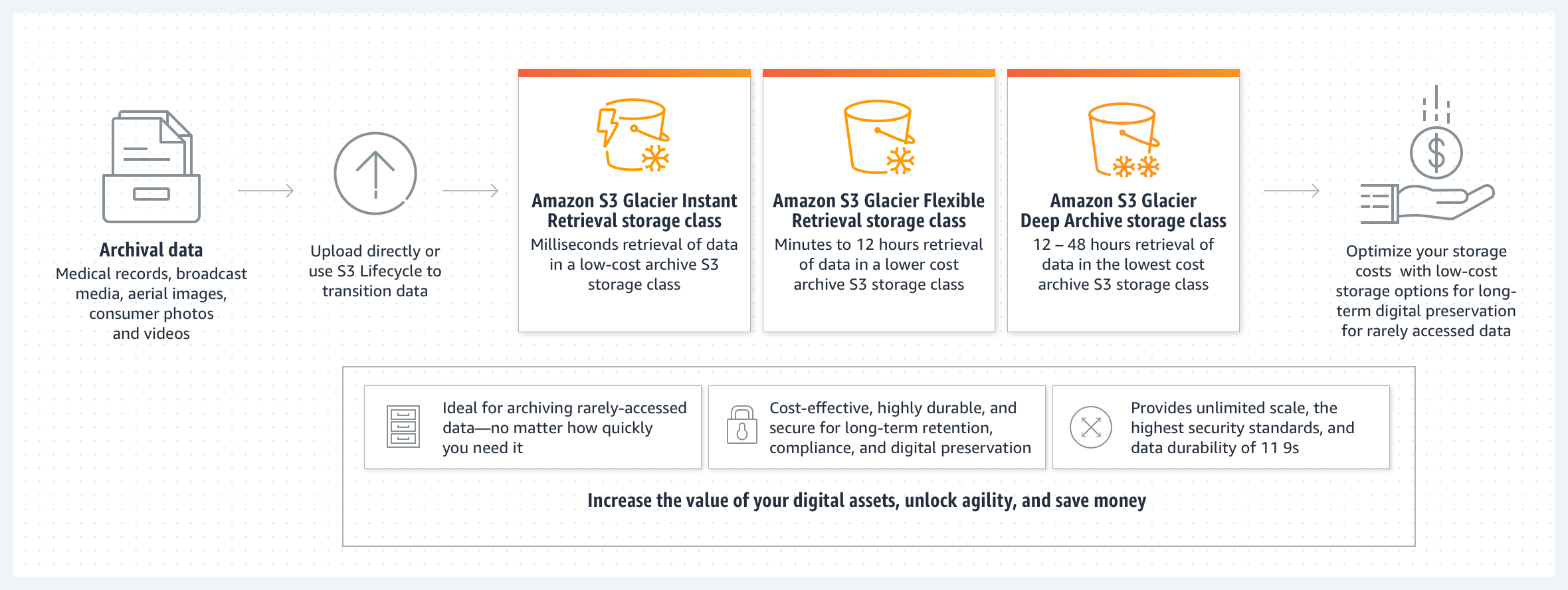
Another primary use is cloud storage. Services like
(Simple Storage Service) and allow companies to store massive amounts of data securely. From Netflix streaming movies to healthcare providers archiving patient records, AWS has become the preferred storage solution for enterprises of all sizes. Built-in redundancy and high durability mean data stored on AWS is far safer than keeping it on a single in-house server.
3. Database Management
Many businesses use AWS to manage their databases. With
(Relational Database Service), companies can deploy scalable databases without the hassle of hardware maintenance. Non-relational options like support high-performance applications such as mobile apps and online games. By outsourcing database management, developers save time and focus on building features rather than maintaining servers.

4. Hosting Websites and Applications
Perhaps the most visible use of AWS is website and app hosting. From start-ups to Fortune 500 companies, organisations trust AWS to host everything from blogs to mission-critical platforms. Netflix, Airbnb, and even government portals rely on AWS infrastructure. The ability to handle global traffic, ensure uptime, and deliver content rapidly through
makes AWS a go-to choice for digital operations.
5. Big Data and Analytics
In an era where data is "the new oil," AWS empowers companies to extract insights at scale. Services like
and (Elastic MapReduce) allow organisations to process and analyse terabytes or even petabytes of data efficiently. For example, Spotify analyses listening habits on AWS to recommend songs, while financial institutions detect fraud in real-time using AWS analytics tools.

6. Machine Learning and Artificial Intelligence
AWS is a leader in democratising artificial intelligence. With services like
, businesses can build, train, and deploy machine learning models without needing advanced data science teams. From chatbots that enhance customer service to predictive analytics that forecast sales, AWS makes cutting-edge AI accessible. Alexa, Amazon's own voice assistant, runs on this infrastructure, proving the power of cloud-enabled intelligence.
7. Security and Identity Management
Data security is a critical concern in the digital world. AWS provides a suite of tools for encryption, compliance, and identity management. With services like
(Identity and Access Management), businesses can control who has access to sensitive data. Compliance certifications--from GDPR to HIPAA--make AWS suitable for industries like healthcare and finance where strict data protection is mandatory.8. Content Delivery Networks (CDN)
Speed matters in user experience. AWS's global network of servers ensures that content is delivered quickly to users worldwide. For instance, if someone in London streams a video hosted on AWS, the data is delivered from the nearest server rather than one across the Atlantic. This reduces latency and improves performance, a key reason streaming giants like Disney+ and Netflix rely on AWS.
Who Uses AWS?
The range of AWS users is staggering. Start-ups use it to launch without heavy upfront costs. Corporations depend on it for scaling. Governments use it for secure citizen services. Nonprofits host donation platforms on AWS. Everyday, billions of people indirectly interact with AWS-powered applications--from watching movies to ordering rideshares. Notable AWS customers include:
- Netflix - Streams billions of hours of content globally using AWS infrastructure.
- NASA - Stores and shares space exploration data through AWS.
- Airbnb - Runs its global booking system on AWS.
- Zoom - Relied on AWS for scaling during the pandemic surge.
- Spotify - Analyses user listening patterns using AWS analytics tools.
Advantages of Using AWS
Businesses choose AWS because it offers:
- Cost-effectiveness: Pay-as-you-go pricing reduces upfront investment.
- Scalability: Instantly scale resources with demand.
- Global reach: Data centres worldwide support international operations.
- Reliability: High uptime and redundancy keep services running.
- Innovation: Continuous introduction of new tools keeps customers ahead.
Challenges and Criticisms
Despite its dominance, AWS is not without challenges. Costs can spiral if businesses do not monitor usage carefully. Dependence on AWS also raises concerns about vendor lock-in--where switching providers becomes difficult due to integration complexity. Furthermore, as AWS powers much of the internet, outages can cause widespread disruption. For example, a single AWS outage in 2021 temporarily took down parts of Netflix, Disney+, and major apps worldwide. Nevertheless, AWS continues to strengthen its infrastructure to mitigate such risks.
The Future of AWS
AWS is evolving beyond cloud computing into areas like quantum computing, robotics, and 5G. As industries embrace digital transformation, AWS is poised to remain a key enabler. Small businesses will continue using it for affordable web hosting, while global enterprises will depend on it for advanced AI and big data projects. Its growth mirrors the increasing digitisation of society itself.
Everyday Examples of AWS in Action
- When you watch Netflix, AWS delivers the stream.
- When you order a ride on Uber, AWS processes the request.
- When you shop on Etsy, AWS powers the marketplace.
- When you back up your iPhone photos, AWS often stores them in the cloud.
In short, AWS is not just for tech companies--it underpins services millions of people use daily without even realising it.
Conclusion: Why AWS Matters
Amazon Web Services has become the invisible engine of the modern internet. By providing affordable, scalable, and secure computing infrastructure, AWS empowers innovation across every sector--from healthcare to finance to entertainment. Whether it's helping a start-up launch its first app or enabling NASA to share images of Mars, AWS makes it possible. Its uses are as diverse as human creativity itself. In many ways, AWS is not just a service--it's the infrastructure of the digital age, quietly shaping how the world connects and thrives.
What Is the Purpose of Amazon's Site?
When you type amazon.com into your browser, it may feel like you're simply opening an online shop. Yet Amazon's website is far more than a digital storefront. It is a sprawling ecosystem that reflects the company's mission to be "Earth's most customer-centric company." From shopping and entertainment to business solutions and cloud computing, the purpose of Amazon's site is multi-layered, constantly evolving, and deeply integrated into modern life. To truly understand its role, we need to go beyond the obvious function of e-commerce and explore how the platform serves customers, sellers, businesses, and even society at large.
A Marketplace for Everything
The most visible purpose of Amazon's site is, of course, retail. Since its beginnings as an online bookstore in 1994, Amazon has grown into the world's largest marketplace, offering hundreds of millions of products. Books, electronics, clothing, groceries, home décor, pet supplies--you name it, it's likely available on Amazon. This "everything store" approach is designed to make Amazon the default choice for any kind of purchase, from the mundane to the extraordinary.
The site's design reflects this purpose. The home page is a constantly shifting billboard of deals, product recommendations, seasonal sales, and personalised suggestions based on your browsing and buying history. Every feature--from the search bar to the reviews system--is optimised to help users find products quickly, compare them easily, and purchase them with minimal friction.
Customer-Centric Experience
Amazon's site is more than a digital catalogue; it is an embodiment of the company's obsession with customer satisfaction. The purpose here is twofold: remove barriers to purchase and instil trust. Features like one-click ordering, Prime free delivery, and transparent return policies are designed to reduce hesitation and create loyalty. Meanwhile, customer reviews, Q&A sections, and detailed product descriptions empower shoppers to make informed choices.
Unlike traditional retailers who often highlight products they want to sell, Amazon's site focuses on helping customers find what they want. Its recommendation engine analyses millions of data points to suggest products tailored to each user, making the site feel almost personalised for every visitor. This deep level of customisation is central to its mission of being the most customer-centric company in the world.
A Platform for Sellers
Another core purpose of Amazon's site is to serve as a platform for third-party sellers. Today, over half of all items sold on Amazon come from independent businesses. By opening its marketplace, Amazon transformed from a retailer into a platform. Small businesses, entrepreneurs, and even large brands use Amazon to reach a global customer base they could never access on their own.
Through services like
, sellers can outsource warehousing, packaging, and shipping to Amazon while benefiting from its powerful logistics network. The site acts as the digital shop window, while Amazon handles the heavy lifting in the background. This dual purpose--serving both shoppers and sellers--makes the site unique in its scale and reach.
Entertainment and Digital Media Hub
Many people associate Amazon only with shopping, but the site is also a portal to a world of digital content. Through Prime Video , customers can stream films, TV series, and original productions. Through
, they can access millions of songs and curated playlists. Audible offers audiobooks and podcasts. Kindle provides e-books instantly, while Amazon Games delivers gaming experiences across PC and cloud platforms.
All of these services are accessible through Amazon's site. This reflects a broader purpose: to keep customers within Amazon's ecosystem, no matter what kind of content they consume. Whether you're shopping for groceries, watching a blockbuster film, or listening to an audiobook, Amazon wants its site to be your gateway.
Gateway to Amazon Web Services (AWS)
Another important but less visible purpose of Amazon's site is to connect businesses with Amazon Web Services (AWS). While consumers see Amazon mainly as a shopping platform, companies use it as a portal to access cloud computing, AI tools, and storage solutions. The AWS section of Amazon's site is dedicated to IT professionals, offering resources, tutorials, pricing, and integration guides. In effect, the site acts as both a consumer mall and a business-to-business technology hub.
Personalisation and Data
One of Amazon's site's most powerful purposes is data collection and personalisation. Every click, search, and purchase feeds into algorithms that refine recommendations and target promotions. This is not just about boosting sales--it is about creating a sense of convenience so strong that customers rarely look elsewhere. The more you use Amazon, the more useful it becomes, making the site central to everyday shopping decisions.
Customer Engagement and Community
Amazon's site also serves as a community space where customers engage with one another. Reviews, ratings, and Q&A sections are not just about feedback--they create trust and social proof. A product with thousands of five-star reviews immediately inspires confidence, while the ability to ask questions and receive answers from fellow shoppers makes the site interactive. This engagement transforms the site from a static shopfront into a living marketplace shaped by its users.
Business Efficiency and Global Reach
For businesses, the purpose of Amazon's site extends far beyond sales. Sellers gain access to powerful analytics, advertising platforms, and global shipping networks. Amazon's international sites--like Amazon.co.uk, Amazon.de, and Amazon.in--allow businesses to expand into new markets with minimal setup. For many entrepreneurs, being on Amazon is not optional--it is essential to survival in a digital-first economy.
Trust and Reliability
Another critical purpose is to build trust. Amazon's site is designed to reassure users at every step. Secure payment systems, refund guarantees, and order tracking all contribute to a seamless, worry-free experience. In an age of cybercrime and data breaches, this sense of reliability is one of the site's strongest assets. Millions of consumers trust Amazon with their personal and financial information because the site has consistently delivered security and service.
A Tool for Everyday Life
Amazon's site is not only about big purchases. Increasingly, it is woven into the fabric of everyday life. From ordering groceries through Amazon Fresh to restocking household essentials via Subscribe & Save, the site is designed to be habitual. Amazon wants you to think of it not as an occasional shopping destination but as a default utility--much like electricity or the internet itself.
Challenges and Criticisms
While the site's purposes are broad and ambitious, they are not without criticism. Some argue that Amazon's dominance hurts small businesses, that its use of data raises privacy concerns, and that its growing influence in areas like publishing and entertainment creates monopolistic risks. Others point to the addictive nature of personalised recommendations, which can lead to overconsumption. Yet despite these concerns, the site continues to expand its reach and importance globally.
The Future Purpose of Amazon's Site
Looking ahead, the site's purpose will likely evolve further. With advances in artificial intelligence, augmented reality, and voice commerce, Amazon's site may become even more immersive. Imagine trying on clothes virtually, shopping hands-free through Alexa, or receiving AI-driven product bundles tailored to your lifestyle. Amazon's ultimate purpose is not just to be a place to shop, but to be an indispensable part of how people live and interact with the digital world.
Key Functions of Amazon's Site Summarised
- Shopping: The world's largest e-commerce marketplace.
- Personalisation: Tailored recommendations and convenience-driven design.
- Selling Platform: Enabling third-party businesses to reach global customers.
- Entertainment: Movies, music, books, games, and more.
- AWS Access: Gateway for businesses to cloud computing and AI tools.
- Trust and Security: Safe, reliable transactions and customer guarantees.
- Community: Reviews, Q&A, and customer engagement features.
In conclusion, the purpose of Amazon's site is not singular--it is multi-dimensional. It is a shop, a marketplace, a media hub, a tech portal, a data platform, and a community space. Above all, it is an evolving ecosystem designed to keep customers engaged, sellers empowered, and businesses dependent. By integrating so many functions into one site, Amazon ensures it remains not just relevant but essential in the digital economy.
What Is a Major Advantage of Amazon Web Services (AWS)?
If you have ever streamed a film, ordered something online, or used a popular app, chances are you've indirectly used Amazon Web Services (AWS). AWS is the cloud computing division of Amazon, powering businesses and governments worldwide. But with so many competitors in the cloud space--like Microsoft Azure and Google Cloud--what makes AWS stand out? The answer lies in its scalability and reliability
Scalability: Growing Without Limits
One of the most celebrated advantages of AWS is scalability. Traditional IT infrastructure requires companies to buy expensive servers, storage, and networking equipment in advance, often guessing how much capacity they'll need. This creates waste when resources sit unused--or chaos when demand suddenly spikes. AWS solves this problem by offering on-demand cloud services. Businesses can scale up or down in real time, paying only for what they use.
For example, a small start-up can launch a simple website on AWS for just a few dollars per month. If that website suddenly goes viral and attracts millions of visitors overnight, AWS can automatically provide more computing power to handle the traffic. Once demand decreases, the system scales back down, saving costs. This elasticity is a major advantage because it allows businesses to grow without fear of crashing servers or unnecessary overhead.
Global Reach and Availability
Another huge advantage of AWS is its global presence. With data centres spread across multiple continents--called "availability zones"--AWS allows businesses to serve customers anywhere in the world with low latency and high speed. Whether you are a Kenyan entrepreneur serving African customers or a European company expanding into Asia, AWS ensures your digital services can be delivered quickly and reliably.
This global infrastructure is also designed for redundancy. If one server cluster goes down, traffic is automatically rerouted to another. This high availability makes AWS the go-to platform for mission-critical applications like banking, healthcare, and government systems where downtime is simply not an option.
Cost Efficiency and Pay-as-You-Go Pricing
Unlike traditional IT setups that require heavy upfront investment, AWS uses a pay-as-you-go pricing model. This means businesses only pay for the storage, computing power, and bandwidth they actually consume. There are no long-term contracts or wasted resources. For start-ups, this lowers the barrier to entry dramatically. For established enterprises, it reduces costs and increases agility.
AWS also provides tiered pricing, free usage tiers, and discounts for long-term commitments. This flexibility makes it attractive for companies of all sizes. Even some of the biggest corporations in the world rely on AWS because of the cost savings it provides compared to maintaining their own IT infrastructure.
Innovation and Broad Service Offering
AWS isn't just about servers and storage--it offers over 200 fully featured services. These include artificial intelligence, machine learning, big data analytics, Internet of Things (IoT), blockchain, and even quantum computing experiments. The breadth of AWS services gives businesses a massive toolkit to innovate without building everything from scratch.
For instance, a retailer can use AWS to analyse customer behaviour with AI, while a health tech company can use AWS for secure data storage and machine learning diagnostics. The availability of cutting-edge tools without the need for heavy R&D investment is a key advantage that keeps AWS ahead of competitors.
Security and Compliance
In today's digital landscape, security is everything. AWS invests billions of dollars annually into protecting customer data. It complies with global standards like GDPR, HIPAA, and ISO certifications, making it suitable for industries where regulations are strict. Features like multi-factor authentication, data encryption, and continuous monitoring ensure that sensitive information is safeguarded.
For governments and Fortune 500 companies, this level of security is a major reason they trust AWS. The ability to store and process sensitive data in compliance with international regulations gives AWS a significant advantage over smaller cloud providers.
Reliability: Always On, Always Available
Scalability might be the most well-known advantage of AWS, but reliability is equally important. Amazon's infrastructure is designed to keep applications running with minimal downtime. Multiple availability zones within regions ensure that if one data centre experiences issues, others can take over seamlessly.
Consider Netflix, one of AWS's biggest customers. Millions of people stream films and series simultaneously across the globe. Without AWS's reliable infrastructure, this would not be possible. By keeping services online 24/7 with redundancy and backups, AWS delivers an advantage that directly translates to customer satisfaction and business continuity.
The Advantage for Start-ups vs. Enterprises
Another dimension of AWS's advantage is that it serves both start-ups and large enterprises effectively. For start-ups, AWS eliminates the need for expensive IT infrastructure, allowing them to launch quickly and scale as demand grows. For enterprises, AWS offers the tools to modernise legacy systems, adopt new technologies, and stay competitive in a fast-changing digital economy.
This dual appeal makes AWS not just a cloud provider but a growth partner for businesses at every stage. Whether you are an app developer working from your living room or a multinational corporation, AWS adapts to your needs.
Major Advantage Summarised
While AWS has many strengths, its greatest advantage is scalability combined with reliability. Businesses can grow without limits, serve global customers seamlessly, and rely on systems that are secure, cost-effective, and always available. This flexibility, combined with innovation and trust, makes AWS the backbone of much of today's digital economy.
In conclusion, the major advantage of Amazon Web Services is that it allows businesses of any size to innovate, expand, and operate with confidence. By providing scalable, reliable, and secure cloud solutions, AWS empowers organisations to focus on what matters most--serving their customers and driving growth--while Amazon handles the complex technology behind the scenes.
What Is the Benefit of Using Amazon?
When most people think of Amazon, they picture an online shopping site that delivers goods quickly and conveniently. But in reality, Amazon's benefits go far beyond fast shipping and product variety. From saving time and money to unlocking entertainment and business opportunities, Amazon offers a wide spectrum of advantages that touch almost every area of modern life. Understanding these benefits is crucial for both everyday consumers and business owners who want to thrive in the digital economy.
1. Unmatched Convenience
Perhaps the biggest benefit of using Amazon is the convenience factor. With just a few clicks, customers can browse millions of products, read reviews, compare prices, and make purchases without leaving their homes. Features like one-click ordering, same-day delivery, and hassle-free returns make Amazon the ultimate shopping companion.
Imagine needing a replacement phone charger at midnight. Instead of waiting until morning to go to a shop, you can order one on Amazon and have it delivered the next day. For busy parents, professionals, and students, this convenience saves countless hours and reduces stress.
2. Fast and Reliable Delivery
Amazon has set a new standard in delivery speed. Through services like Amazon Prime, customers in many regions can enjoy free two-day delivery, and in some cities, even same-day delivery. The company's logistics network--one of the most advanced in the world--ensures that packages arrive on time and in good condition.
Amazon's investment in drones, autonomous vehicles, and smart warehouses further enhances delivery reliability. This infrastructure provides a major benefit to consumers who expect speed and efficiency in the digital era.
3. Competitive Pricing and Savings
Another significant benefit of Amazon is its competitive pricing. Because Amazon operates at such a massive scale, it can negotiate better prices with suppliers and pass savings on to customers. Frequent discounts, deals of the day, and seasonal sales make shopping on Amazon a cost-effective option.
Services like Subscribe & Save also allow customers to save up to 15% on recurring purchases of household essentials. This not only reduces costs but also ensures that vital products--such as toiletries, baby supplies, or groceries--arrive automatically without the need to reorder each time.
4. Huge Product Selection
Amazon offers a vast range of products, from electronics and books to groceries and fashion. This wide selection is a benefit that few competitors can match. Whether you are looking for a rare book, a trending gadget, or everyday necessities, chances are Amazon has it.
The company's marketplace model, which allows third-party sellers to list items, further expands product variety. For consumers, this creates a one-stop shop where nearly everything is available, eliminating the need to visit multiple websites or physical stores.
5. Customer Reviews and Transparency
Another benefit of Amazon is its customer review system. Shoppers can read honest feedback from other buyers before making a purchase. Reviews, star ratings, and Q&A sections provide valuable insights into product quality, performance, and durability.
This transparency empowers customers to make informed decisions and reduces the risk of buyer's remorse. For businesses selling on Amazon, good reviews build trust and drive more sales, making the review system beneficial for both sides.
6. Entertainment and Lifestyle Benefits
Amazon is not just a shopping platform--it's also an entertainment hub. With Amazon Prime membership, users gain access to Prime Video (movies and TV shows), Amazon Music, Prime Reading, and exclusive gaming perks via Prime Gaming. These services add incredible value to what might otherwise be just a shipping subscription.
For families, this means endless entertainment at no extra cost. For individuals, it provides affordable access to streaming, reading, and music--competing directly with platforms like Netflix and Spotify.
7. Business and Seller Opportunities
One of the lesser-discussed benefits of Amazon is the opportunity it provides to entrepreneurs and businesses. Through Amazon Marketplace, sellers can reach millions of customers worldwide without having to build their own e-commerce platforms. Services like Fulfilment by Amazon (FBA) handle storage, packaging, and delivery, making it easier for small businesses to scale.
Additionally, Amazon offers advertising solutions, data insights, and international selling tools. For many small and medium-sized enterprises (SMEs), these benefits make Amazon the gateway to global expansion.
8. Innovation and Technology Integration
Another benefit of using Amazon is its continuous innovation. From voice-controlled shopping with Alexa to cashierless Amazon Go stores, Amazon integrates cutting-edge technology into everyday life. For consumers, this translates into smarter, more efficient shopping experiences.
For example, smart home devices powered by Alexa can reorder groceries, check order statuses, or control home appliances--all connected to Amazon's ecosystem. This seamless integration makes daily tasks easier and showcases Amazon's ability to stay ahead of trends.
9. Reliable Customer Support
A crucial benefit of Amazon is its customer service. The platform is known for its easy return policies, fast refunds, and accessible support channels. Whether through live chat, email, or phone, Amazon ensures that customer concerns are addressed quickly.
This reliability builds trust. Customers know that if something goes wrong with an order, Amazon will make it right--whether by issuing a replacement, refund, or store credit. Such customer-first policies are a major reason why people remain loyal to Amazon.
10. Accessibility and Inclusivity
Amazon also provides benefits in terms of accessibility. Features like voice shopping, screen reader compatibility, and personalised recommendations ensure that people of all abilities can enjoy the platform. For elderly users or those with disabilities, Amazon's accessibility features make shopping more inclusive and empowering.
On a broader level, Amazon delivers to rural areas and underserved regions, ensuring that people who may not have access to large retail stores can still buy essential goods online.
11. Global Reach and Cross-Border Shopping
One of the most powerful benefits of Amazon is its global presence. With regional websites and international shipping options, customers can access products from around the world. This opens doors to cultural exchange, variety, and access to unique goods that may not be available locally.
For example, a reader in Kenya can order a book only published in the US, or a customer in Europe can access innovative gadgets from Japan--all thanks to Amazon's global logistics system.
12. Sustainability and Environmental Efforts
In recent years, Amazon has also invested in sustainability. Programmes like Climate Pledge Friendly highlight products with lower environmental impact. Amazon is also working toward using 100% renewable energy and reducing carbon emissions across its supply chain. For eco-conscious consumers, these initiatives provide the benefit of making greener choices while shopping online.
Summarising the Benefits
To summarise, the main benefits of using Amazon include:
- Convenience: Shop anytime, anywhere with minimal effort.
- Fast Delivery: Quick, reliable, and often free with Prime.
- Affordable Prices: Discounts, deals, and subscription savings.
- Wide Selection: Millions of products across categories.
- Entertainment Value: Streaming, music, and books with Prime.
- Business Opportunities: A global marketplace for entrepreneurs.
- Innovation: Smart technology integration with Alexa and beyond.
- Customer Trust: Reliable support and easy returns.
- Global Access: Reach across borders and cultures.
- Sustainability: Eco-friendly initiatives and pledges.
In conclusion, the benefits of Amazon go well beyond shopping. It is a platform that combines convenience, affordability, entertainment, and innovation into one ecosystem. For consumers, Amazon makes life easier, more affordable, and more connected. For businesses, it creates opportunities to reach a global audience and grow faster than ever before. Ultimately, the greatest benefit of using Amazon is that it continues to evolve with the needs of modern society, ensuring it remains an indispensable part of daily life.
How Many Websites Use Amazon Web Services (AWS)?
The internet is vast, and much of it runs quietly behind the scenes on powerful infrastructure providers. Among these, Amazon Web Services (AWS) stands as the global leader in cloud computing. But just how many websites rely on AWS? As of 2025, it is estimated that over 50 million live websites are hosted on AWS, accounting for about 6-7% of all websites worldwide. This makes AWS one of the most influential players in shaping the modern internet.
AWS by the Numbers
According to multiple industry reports, AWS is consistently ranked as the largest cloud service provider in the world, controlling around 30-32% of the overall cloud market share. This dominance translates directly into web hosting, where millions of businesses--ranging from start-ups to global enterprises--use AWS for their websites, applications, and digital services.
Here are some key statistics that highlight AWS's reach:
- 50+ million live websites currently operate on AWS servers.
- 6.1% of the global web is powered by AWS infrastructure.
- More than 1 million active users rely on AWS cloud services, including developers, corporations, and governments.
- Top-tier companies like Netflix, Airbnb, Twitch, LinkedIn, Twitter (X), and NASA use AWS for hosting and operations.
Why So Many Websites Use AWS
There are several reasons why such a large share of the internet depends on AWS:
- Scalability: Websites can grow from small blogs to massive platforms without switching providers.
- Reliability: AWS data centres are designed for redundancy and uptime.
- Cost Flexibility: With a pay-as-you-go model, small businesses and enterprises alike can afford AWS solutions.
- Global Reach: AWS operates in more than 30 geographic regions with multiple availability zones, ensuring fast connections worldwide.
- Security: AWS is compliant with international standards, making it trusted by banks, governments, and healthcare providers.
Major Websites That Use AWS
When discussing the scale of AWS, it helps to look at specific websites and services that rely on it:
- Netflix - Streams content to over 230 million subscribers globally, powered almost entirely by AWS.
- Airbnb - Relies on AWS for scalability during travel booking surges.
- Twitch - Amazon's own live-streaming service runs natively on AWS.
- LinkedIn - Uses AWS for cloud services and advanced analytics.
- Pinterest - Migrated to AWS for performance improvements and global scaling.
- NASA - Uses AWS to stream Mars rover footage and process astronomical data.
The Growth of AWS in Web Hosting
The number of websites using AWS has been growing steadily since its launch in 2006. Initially, AWS was popular with developers and start-ups who needed affordable hosting without investing in physical servers. Over time, as the cloud became mainstream, large corporations and even governments began migrating to AWS.
Today, AWS powers everything from small blogs to enterprise-level applications. This growth trend shows no signs of slowing down, especially as digital transformation accelerates in every sector of the economy.
AWS vs. Competitors
While AWS is the leader, it faces competition from Microsoft Azure and Google Cloud. Here's a quick comparison:
- AWS: 50M+ websites, ~32% global cloud market share.
- Microsoft Azure: 20M+ websites, ~22% cloud market share.
- Google Cloud: 15M+ websites, ~11% cloud market share.
This shows that although competitors are growing, AWS still maintains a commanding lead, particularly in web hosting and infrastructure.
Industries That Depend on AWS
The diversity of industries using AWS is staggering. Some examples include:
- Entertainment: Netflix, Disney+, and Spotify stream millions of hours of content via AWS.
- E-Commerce: Shopify and Etsy depend on AWS infrastructure.
- Finance: Major banks and fintech firms use AWS for secure transaction processing.
- Healthcare: Hospitals and research labs rely on AWS for data storage and AI-driven medical research.
- Government: Agencies worldwide host portals and data systems on AWS.
The Future of Websites on AWS
Looking ahead, the number of websites on AWS will likely continue to grow. The rise of AI-powered applications, remote work tools, and global e-commerce means more businesses will seek the scalability and reliability of AWS. Furthermore, Amazon's investment in renewable energy and sustainable cloud practices may attract eco-conscious companies looking for greener hosting solutions.
Summarising the Reach of AWS
So, how many websites use AWS? The answer is: tens of millions--and growing every day. From small personal projects to some of the most visited platforms on the planet, AWS powers a significant portion of the internet. Its benefits--scalability, cost-efficiency, security, and global infrastructure--make it the preferred choice for developers, businesses, and governments alike.
In conclusion, AWS is not just another hosting provider; it is the backbone of the modern internet. As digital services expand and cloud adoption accelerates, the number of websites on AWS will only increase, cementing its position as the world's most trusted cloud computing platform.
What Are the Advantages and Disadvantages of Amazon?
Amazon is one of the most influential companies in the world, shaping how we shop, read, stream, and even how businesses build their online presence. With its vast marketplace and Amazon Web Services (AWS) cloud division, the company touches nearly every corner of the digital economy. But like any major corporation, Amazon has both advantages and disadvantages that affect customers, sellers, and even the global marketplace. Let's explore these in detail.
Advantages of Amazon
There are countless reasons why Amazon has become the go-to platform for both consumers and businesses. Below are the key benefits:
1. Wide Product Selection
Amazon is often called the "Everything Store" because of its massive inventory. From electronics to books, groceries, clothes, and even cloud-based software, Amazon offers almost anything you can imagine. This variety keeps customers coming back, knowing they can find what they need in one place.
2. Convenience and Fast Delivery
Amazon Prime has redefined e-commerce convenience. Customers can enjoy next-day or even same-day delivery in many regions. This level of speed and reliability makes shopping effortless, especially compared to traditional retail shopping.
3. Competitive Pricing
Amazon often undercuts competitors by offering lower prices thanks to economies of scale. Discounts, deals, and promotions attract cost-conscious shoppers, while subscription services like Amazon Prime add further value through free delivery and entertainment bundles.
4. Customer-Centric Approach
Amazon is known for its customer service, easy returns, and transparent review system. Buyers feel more confident when purchasing from Amazon because they know they can return faulty products with minimal hassle.
5. Amazon Web Services (AWS)
Beyond retail, AWS is one of Amazon's greatest strengths. It powers millions of websites and applications worldwide, offering scalability, security, and global infrastructure. For businesses, AWS provides cutting-edge tools for AI, storage, and data analytics at affordable rates.
6. Innovation and Technology
Amazon continually invests in innovation, whether it's through Alexa smart devices, cashier-less Amazon Go stores, or renewable energy in cloud hosting. This makes it one of the most forward-thinking companies of the 21st century.
Disadvantages of Amazon
Despite its many benefits, Amazon is not without its drawbacks. Critics argue that its success has come at a cost to workers, small businesses, and even the environment.
1. Market Domination
Amazon's huge size has raised concerns about monopolistic behaviour. Many small businesses struggle to compete with its pricing power and global reach. In some cases, Amazon has been accused of copying products from independent sellers and promoting its own versions at lower prices.
2. Labour Issues
Amazon's warehouses have faced criticism for tough working conditions, including long hours, strict surveillance, and limited breaks. Worker protests in the US and Europe highlight ongoing concerns about employee welfare.
3. Environmental Impact
Although Amazon has pledged to reduce its carbon footprint, the company's massive shipping operations and packaging waste contribute significantly to global emissions. Balancing convenience with sustainability remains a challenge.
4. Privacy Concerns
With services like Alexa, Ring cameras, and massive amounts of consumer data, Amazon raises privacy and data security concerns. Critics worry about how personal information is stored and used.
5. Pressure on Sellers
Independent sellers on Amazon often face high fees, tough competition, and reliance on Amazon's rules. If Amazon changes its policies, small businesses can be severely impacted overnight.
6. Overdependence on One Company
Amazon's influence means that millions of businesses depend on its platform and AWS services. This creates a centralisation risk, where outages or policy changes can ripple across the entire internet economy.
Balancing the Pros and Cons
Amazon's advantages are clear: it offers unmatched convenience, vast product choices, fast shipping, and powerful cloud solutions. However, the disadvantages--such as worker concerns, environmental challenges, and the risk of monopolistic control--highlight the need for balance.
For consumers, Amazon delivers excellent service and low prices. For businesses, it provides global reach and reliable infrastructure. But for society at large, there is an ongoing debate about whether Amazon's dominance is sustainable or healthy for long-term competition.
Conclusion
Amazon is both a powerful ally and a potential challenge. Its innovations have revolutionised retail and cloud computing, but its scale comes with consequences. As shoppers and business owners, understanding both the advantages and disadvantages of Amazon helps us make informed choices about how we engage with this tech giant.
How Many AWS Data Centres Are There in the World?
Behind the success of Amazon Web Services (AWS) lies an immense global network of data centres. These facilities are the backbone of the internet services, websites, and applications that millions of people use daily. But how many AWS data centres actually exist worldwide? As of 2025, AWS operates in over 30 geographic regions, with more than 96 Availability Zones (AZs) and over 400 edge locations to deliver content quickly and reliably across the globe.
Understanding AWS Regions and Availability Zones
To appreciate the scale of AWS infrastructure, it's important to understand how Amazon structures its cloud environment:
- Regions: A region is a physical location in the world where AWS clusters multiple data centres. Each region consists of several Availability Zones.
- Availability Zones (AZs): An AZ is essentially a data centre or group of data centres within a region. These zones are designed to be independent from each other to ensure redundancy. If one AZ goes down, others in the same region can take over.
- Edge Locations: AWS also uses smaller edge data centres worldwide for its CloudFront Content Delivery Network (CDN). These reduce latency by serving data from the closest possible point to the user.
Global Footprint of AWS
As of now, AWS spans across the Americas, Europe, Asia Pacific, the Middle East, and Africa. Here's a breakdown of its reach:
- North America: Dozens of AZs across regions like US East (Virginia, Ohio) and US West (Oregon, California).
- South America: Regions in Brazil and upcoming expansions in Chile and Argentina.
- Europe: Major regions in Ireland, Germany, France, Spain, Italy, Sweden, and the UK.
- Asia Pacific: Large presence in Singapore, Japan, South Korea, India, and Australia, with expansion planned in Thailand and Malaysia.
- Middle East & Africa: Regions in the UAE, Bahrain, South Africa, and Saudi Arabia.
This distribution ensures AWS customers can host applications closer to their end users, reducing latency and improving performance.
Why AWS Has So Many Data Centres
The sheer number of AWS data centres exists for a reason. Amazon's customers include governments, financial institutions, healthcare providers, streaming services, and global retailers. These industries demand speed, security, redundancy, and compliance. By spreading data centres across the globe, AWS ensures:
- High Availability: If one centre fails, others pick up the load.
- Disaster Recovery: Regions can back up each other in emergencies.
- Regulatory Compliance: Many countries require that data be stored locally.
- Reduced Latency: Data is delivered from the closest possible region to the user.
The Future of AWS Data Centres
Amazon shows no signs of slowing its expansion. New regions are constantly being announced to support emerging markets and industries. For example, AWS recently committed billions to building AI-ready infrastructure, eco-friendly data centres, and renewable-powered facilities. As demand for AI, big data, and global e-commerce grows, AWS will continue to expand its network of data centres to meet global needs.

Conclusion
Amazon and AWS together represent one of the most powerful forces on the internet today. Millions of websites rely on AWS hosting, while billions of consumers shop on Amazon's marketplace. The company's advantages--such as convenience, scalability, and innovation--are balanced by disadvantages, including worker concerns, environmental challenges, and the risks of market dominance. Yet one thing is undeniable: Amazon has permanently transformed the way we live, work, and shop.
AWS data centres, with their global presence and cutting-edge infrastructure, ensure that the digital economy remains fast, resilient, and interconnected. From small blogs to global enterprises, countless online services depend on Amazon every single day. As AWS continues to expand its data centres and cloud solutions, Amazon's influence will only grow stronger--cementing its role as the backbone of the modern internet.

In summary: Amazon is not just an e-commerce giant; it is the engine that powers much of today's online world. Whether you are a casual shopper or a business owner, Amazon's reach touches your daily life in more ways than you may realise.


Traffic Coop Earnings
Ready to Monetise Your Traffic?
Stop letting your visitors slip away without value. With the LeadsLeap Co-op, you can turn every click into income. Join through my link below and I’ll personally share my tips for getting started fast.
Join My LeadsLeap Co-op Now