
Watching My Website's Pages Vanish from Google
When I first launched my website, I was ecstatic. Every new blog post I published seemed to appear almost…
Read More »

In today's fast-paced digital world, opportunities to make money online are everywhere. Some sound too good to be true, while others are solid business models that require patience and consistency. One name that keeps popping up in entrepreneurial discussions is TripleClicks. Marketed as an e-commerce platform with income-generating potential, it has attracted thousands of people worldwide. But what exactly is TripleClicks, and can you really make money with it--or is it just another risky gamble? In this first phase of our in-depth review, we'll dig into the origins, structure, and promises of the platform to uncover the truth behind the hype.
TripleClicks was launched in 2009 by Carson Services, Inc., the same company behind the well-known affiliate network SFI (Strong Future International Marketing Group) . Positioned as an online marketplace, it set out to combine the growing power of e-commerce with affiliate-driven marketing. Instead of simply being an online store where you can buy and sell products, TripleClicks tied its platform closely to the SFI business model, promising entrepreneurs a way to earn commissions by promoting products and recruiting others. The concept seemed timely. In the late 2000s, Amazon was already exploding in growth, and many smaller e-commerce businesses were looking for ways to tap into the global online shopping trend. TripleClicks appeared to offer not just products, but also an ecosystem where everyday people could benefit financially by sharing and promoting the marketplace itself.
At its core, TripleClicks is an e-commerce platform that lists products across categories such as electronics, home goods, digital services, and collectibles. But unlike Amazon or eBay, TripleClicks attaches itself heavily to the SFI affiliate programme. This is where it sets itself apart and where both opportunity and risk lie.
On paper, it appears to be a win-win system: buyers get access to niche products, sellers reach new customers, and affiliates earn commissions by promoting both. But as we'll uncover, the reality is more complex.
One of the biggest hooks of TripleClicks is its marketing message. It promises that with just a little effort, anyone can start earning money online. This idea resonates strongly, especially with people searching for financial freedom, side hustles, or alternatives to traditional jobs. The promotional materials often highlight stories of individuals who built entire businesses through TripleClicks and SFI, reinforcing the dream that it could work for anyone. But here's where a crucial distinction must be made: there's a difference between potential and guarantee. TripleClicks offers potential through its affiliate structure, but it doesn't guarantee income. The reality, as we'll explore further in Phase 2, is that success depends heavily on recruiting, persistence, and marketing skills--elements not everyone has the patience or resources to develop.
To understand whether TripleClicks is legit or risky, you need to break down its structure. Let's outline the basics:
This combination of e-commerce and affiliate networking is what makes TripleClicks unique, but it also raises questions. Is it a fair opportunity for all, or does the model tilt heavily in favour of those at the top? Is it sustainable long term, or does it depend too much on continuous recruitment?
No honest review would be complete without acknowledging the criticisms that follow TripleClicks. Many people have called it just another multi-level marketing scheme. Critics argue that while there are real products on sale, the majority of income for affiliates comes from recruiting others into the system rather than actual customer purchases. This mirrors the common red flag associated with pyramid-style businesses. Supporters, on the other hand, defend TripleClicks by pointing out that it does sell legitimate products and services. They argue that unlike outright scams, members can genuinely buy, sell, and earn commissions from real transactions. The truth probably lies somewhere in between: while there are genuine business opportunities, the average participant may find it harder than expected to earn significant income without aggressive recruiting strategies.
One reason TripleClicks continues to attract interest is its emotional appeal. It doesn't just sell products; it sells hope. The hope of financial freedom. The hope of escaping the 9-to-5 grind. The hope of creating a business without needing upfront capital. For many struggling financially, these promises are magnetic. Storytelling is central to the way TripleClicks markets itself. You'll often hear about single parents earning from home, students building businesses during their studies, or retirees finding a second income stream. These stories may be true for some, but they don't represent the typical outcome. And therein lies the danger: people join with high expectations, only to be disappointed if the reality doesn't match the dream.
To better evaluate TripleClicks, it helps to compare it to established e-commerce giants:
This blend is what makes TripleClicks intriguing--but also what makes it controversial. Amazon doesn't need you to recruit other sellers to succeed. TripleClicks, however, thrives on growth through networks. Whether you see that as smart strategy or a risky gamble depends on how you view business ethics and sustainability.
So, let's tackle the big question for this first phase: is TripleClicks legit? From a structural perspective, it is not a scam in the sense of being fake or non-existent. There are real products, real affiliates, and real opportunities. However, it's not as simple as joining and making easy money. It requires skill, effort, and a tolerance for the challenges of network marketing. For some, it will be a rewarding venture. For others, it may feel like chasing shadows.
In Phase 2 of this review, we'll dig deeper into the actual earning potential, uncovering how much affiliates can realistically make, what challenges they face, and whether the time invested pays off in the long run. We'll also look at stories from both successful members and those who feel it was a waste of effort, so you can get a balanced picture before deciding if TripleClicks is the right path for you.
One of the most pressing questions people ask before joining TripleClicks is simple: "Can I really make money?" The platform promises affiliate commissions, bonuses, and a global marketplace, but does the reality live up to the hype? In this second phase of our TripleClicks review, we'll take a hard look at the earning potential--separating myths from facts--so you can decide whether this online business model is worth your time and energy.
If you scroll through TripleClicks and SFI promotional material, one phrase appears again and again: passive income. The idea is simple--do the work once, and keep getting paid. For new entrepreneurs, this is one of the most powerful motivators. Who wouldn't want to earn while they sleep? But here's the truth: while passive income is technically possible with TripleClicks, it requires months or even years of consistent effort before you see significant results. It's not a "set it and forget it" system; it's closer to building a digital franchise that demands daily input.
TripleClicks provides multiple ways to earn, but not all of them are equally profitable. Here's a breakdown of the main income opportunities:
At first glance, this looks like a solid mix of opportunities. But the challenge lies in scale. The commissions per sale are often too small to matter unless you can generate large volumes of traffic or build a significant downline. For most beginners, this is the stumbling block.
One of the biggest misconceptions about TripleClicks is the idea that anyone can join, do minimal work, and quickly become financially free. The reality is far less glamorous. While the platform markets itself as accessible, the truth is that success demands marketing skills, persistence, and networking ability. Most people who join without these skills either give up after a few months or earn so little that it barely covers their membership costs. Studies and member reports suggest that a large percentage of affiliates earn less than £100 a year. A small minority achieve consistent income, but this group often treats TripleClicks like a full-time business, investing in training, ads, and team management.
Technically, it's possible to earn money through direct product sales without recruiting. But in practice, recruiting is central to the system. The commission per product is small, and unless you can move dozens of sales daily, your income will remain limited. The real earning potential comes from building a downline. This is why so much of the promotional material highlights "team building" and leadership rather than product selling. If you're uncomfortable with recruiting, TripleClicks may feel like an uphill battle.
Another common belief is that the TripleClicks marketplace is so vast and attractive that customers will naturally flock to it. Unfortunately, that's not the case. Unlike Amazon or eBay, TripleClicks is not a household name. Affiliates must work hard to drive traffic through social media, email lists, blogs, or paid ads. Without a consistent promotional strategy, very few organic sales happen on their own.
If you study the few affiliates who do succeed with TripleClicks, patterns emerge:
This reveals the real truth: TripleClicks is not a magic income machine. It's a tool. The results you get depend on how you use it. Those with marketing skills thrive. Those without struggle.
Consider Samuel, a 28-year-old from Nairobi who joined TripleClicks in 2015. He struggled for months, earning less than £20 total. Frustrated, he decided to take a different approach. He launched a blog about online entrepreneurship, wrote product reviews, and built an email list. Over two years, he grew his downline to over 300 people and now earns £500 a month. While not life-changing, it provides steady supplemental income. His story illustrates that success is possible--but only with consistent effort and strategy. Contrast that with Melissa, a student in Manchester. She joined with high hopes but had no marketing background. She shared her affiliate link on social media, but nobody clicked. She recruited a few friends, but they quit within weeks. After six months, she gave up, frustrated by the lack of results. Her story is far more common than Samuel's.
Why do so many fail? The problem often lies not in the system itself but in expectations. People are drawn to TripleClicks by promises of easy income, but when reality demands consistent work, they lose motivation. In truth, the model rewards patience and persistence--qualities that not everyone is willing to cultivate. This mismatch between marketing promises and actual requirements is what fuels the "risky gamble" reputation.
It's also useful to compare TripleClicks with other online income streams:
By comparison, TripleClicks offers an entry point with little upfront cost, but the earning potential is inconsistent. Other models may require more skills or investment upfront, but they can deliver more reliable income streams.
One of the strongest indicators of whether a business model works is its attrition rate--how many people quit after joining. Reports suggest that the majority of TripleClicks affiliates drop out within the first year. This is not necessarily because the system is fake, but because the income doesn't match expectations. For most, the small returns simply aren't worth the effort.
In Phase 3, we'll dive into the risks and rewards of TripleClicks, examining whether it should be seen as a legitimate business opportunity or a risky gamble best avoided. We'll also provide practical advice for anyone considering joining, so you can make an informed decision.
By now, we've explored the origins of TripleClicks, its earning potential, and the realities behind the marketing. In this final phase of our review, we'll dig into the risks and rewards of joining TripleClicks. Is it a legitimate business opportunity, or is it better described as a risky gamble The answer is not black and white, but by the end of this section, you'll have a clear picture of whether TripleClicks deserves your time, energy, and trust.
Despite its challenges, TripleClicks does offer several genuine benefits for those who know how to leverage the platform. Let's look at the key rewards:
For some, these rewards are enough to justify the effort. They see TripleClicks not as a guaranteed payday, but as an entry-level gateway into online business.
Now for the less glamorous side. TripleClicks comes with risks that every potential affiliate must weigh carefully:
In short, while TripleClicks is technically legitimate, the risks often outweigh the rewards for beginners. The low-income averages, combined with high effort requirements, make it a tough sell for most people.
Let's be clear: TripleClicks is not a scam. It does pay commissions, and it has been around for more than a decade--longer than many online platforms. However, its MLM-style structure and heavy focus on recruitment often blur the lines between a traditional affiliate programme and a pyramid-like model. This is why so many people label it a "risky gamble." The legitimacy lies in the fact that you can earn money. The gamble lies in the reality that most people don't. The platform sets expectations of passive income, but without strong marketing skills, affiliates rarely succeed. In that sense, TripleClicks is a business opportunity that demands careful consideration rather than blind optimism.
Not everyone will thrive on TripleClicks. The ideal candidate is someone who:
By contrast, those who are better suited to freelancing, e-commerce, or content creation may find TripleClicks restrictive and frustrating. It's not for everyone, and that's okay. Recognising whether you fit the target profile can save you months of wasted effort.
Before signing up, watch out for these warning signs:
Understanding these risks upfront helps you enter the system with clear eyes. Transparency is key: success is possible, but only with strategy, persistence, and a willingness to treat TripleClicks like a serious business.
If your ultimate goal is to build online income, TripleClicks is not your only option. Here are three alternatives worth considering:
These models may take time, but they avoid the dependency risks of TripleClicks. For beginners especially, they can provide a clearer path to income without the constant pressure of recruitment.
So, is TripleClicks a legit online business or a risky gamble The honest answer is: both. TripleClicks is legitimate in the sense that it pays commissions and has a real marketplace. But it's a risky gamble because most affiliates will never see meaningful income, especially if they enter with unrealistic expectations. It requires more work, patience, and skill than the marketing suggests, and success rates are low compared to other online income streams. If you are determined, skilled in marketing, and comfortable with an MLM-style system, TripleClicks can be a modest source of income. But if you are new to online business and want a reliable, beginner-friendly way to earn, you may be better served exploring alternative models.
As the digital economy continues to evolve, the demand for genuine, value-driven online business opportunities will only grow. Whether you choose TripleClicks or another path, the key is to align your efforts with your strengths, stay patient, and approach every opportunity with a clear strategy.
If my research or technical insights have helped you flourish in the digital world, consider supporting the continued development of this platform.
Support via PayPalContribution to: Pfine
When I first launched my website, I was ecstatic. Every new blog post I published seemed to appear almost…
Read More »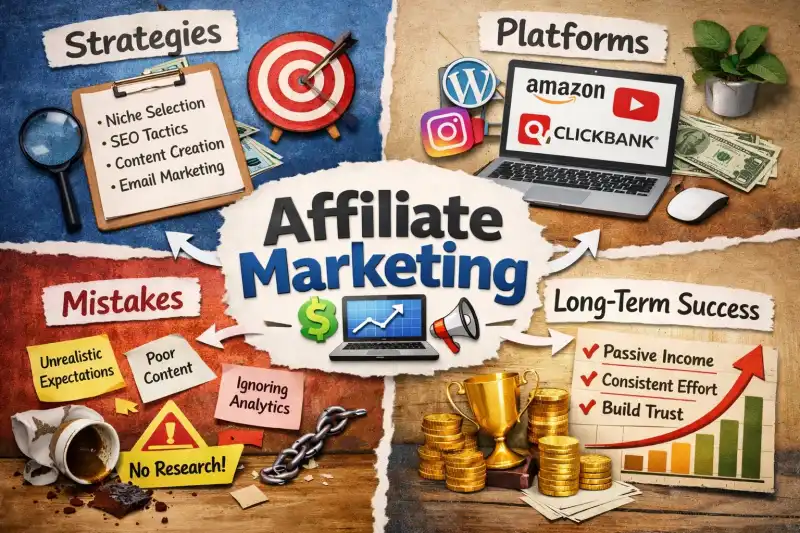
Affiliate marketing has evolved from a simple referral system into one of the most powerful online income…
Read More »
SEO has always felt like chasing a moving target. Some days, it seems like you've cracked the code -- your…
Read More »
The rise of artificial intelligence has sparked fear, confusion, and endless debates across the online world.…
Read More »
I often share ways to make money with affiliate marketing on this channel, but placing ads on well-known…
Read More »
Search Engine Optimisation (SEO) has always been a moving target, but 2026 has introduced a new wave of…
Read More »
Hello, I'm Patrick Wilson — an entrepreneur, artist, and storyteller driven by curiosity and passion. Through this blog, I explore and share meaningful content around a wide spectrum of lifestyle and success topics that matter to everyday people looking to live better, earn more, and grow intentionally.
From building a personal brand and making money online through proven digital strategies, to navigating the journey of personal finance and wealth-building — I bring real-world insights and tools to help you take control of your financial future.
I also document my pursuit of a healthy, balanced life — sharing inspiration around achieving fitness goals and living with purpose. As someone who appreciates both the aesthetic and the soulful, I dive deep into fine art, cultural history, and the enriching nuances of everyday lifestyle.
Whether I'm exploring breathtaking travel destinations across the globe or tending to the joys of home and garden, I aim to bring beauty, clarity, and useful ideas to every post.
If you're passionate about growth — financially, creatively, or personally — this blog is designed to inspire and support your journey.
Thanks for being here — let's grow together.