
Small Online Business Ideas: Models, Trends and Tools for 2026-2026
The online marketplace is booming and ripe for entrepreneurs. Global e-commerce sales are expected to top…
Read More »
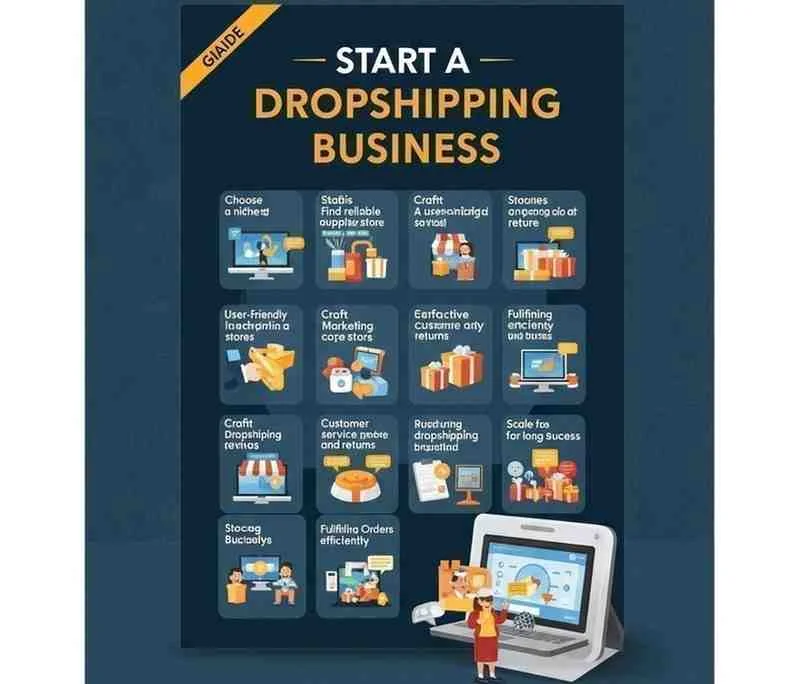
If you've ever dreamt of starting an online business but felt overwhelmed by the idea of holding inventory, managing warehouses, or packing products yourself, then dropshipping might just be the perfect business model for you. As we step further into 2026, dropshipping continues to be one of the most accessible, low-risk ways to launch an eCommerce business in the UK and globally, especially for beginners with limited capital.
Dropshipping is an online retail fulfilment method where the store owner (you) doesn't keep products in stock. Instead, when a customer places an order through your online store, that order is forwarded directly to a third-party supplier or manufacturer. The supplier then ships the product straight to your customer's doorstep, meaning you never touch or handle the product yourself. In simple terms, you act as a middleman between the supplier and the customer. Your primary responsibilities are to build and manage the online store, find trending or profitable products, market those products effectively, and provide excellent customer service. Here's a typical dropshipping process:
A customer visits your online store and places an order.
You automatically forward that order to your supplier using tools like DSers, Spocket, or AutoDS.
The supplier prepares the product, packages it, and ships it directly to the customer.
You receive the difference between your retail price and the wholesale supplier pricethis is your profit.
This hands-off inventory model is what makes dropshipping especially attractive for first-time entrepreneurs. You don't need a physical location, warehouse, or upfront investment in stock. You can launch your store from your bedroom, a local caf?, or even while travelling abroad.
Starting a dropshipping business in 2026 is more promising than ever, thanks to advances in automation, shipping logistics, and global supplier networks. Platforms like Shopify, WooCommerce, and BigCommerce make store creation simple, while apps like Oberlo (Shopify), CJ Dropshipping, or Zendrop let you manage suppliers with minimal hassle. Here are some reasons why this business model continues to attract beginners:
Low startup costs You can launch your store with under 100 in many cases.
No inventory or warehousing You won't pay for products until customers order them.
Flexibility Work from anywhere with a laptop and internet connection.
Scalability Add or remove products without dealing with overstock or storage space.
Freedom to test and pivot You can experiment with different products and niches quickly.
To succeed in dropshipping, it's important to understand the three main players involved:
Retailer (You) You create and run the online store, set the prices, handle marketing, and manage customer interactions.
Supplier/Wholesaler They stock the products, fulfil the orders, and handle shipping logistics.
Customer The end-user who buys the product from your online shop.
Your success hinges on choosing the right suppliers and maintaining customer satisfaction. If the supplier delivers poor-quality products or ships items late, it's your brand reputation that suffers. This is why vetting suppliers is one of the most critical parts of building a reliable dropshipping business.
Profit margins in dropshipping typically range between 15% and 40% depending on the niche, product pricing, and shipping model. For example:
Selling a phone accessory for 20 that costs 8 from the supplier = 12 profit
High-ticket items like ergonomic chairs or home gym equipment can yield margins of 50100+ per sale
It's not just about the margin on individual products?long-term profitability comes from repeat customers, email marketing, and bundled offers that increase your average order value (AOV).
To streamline and automate your store, you'll need a combination of platforms and apps. Here are a few essentials:
Shopify or WooCommerce Build and customise your online store.
DSers / Spocket / CJ Dropshipping Import products, sync with suppliers, and automate order fulfilment.
Canva / Placeit Create product images, banners, and ads.
Klaviyo / Mailchimp Email marketing automation.
Lucky Orange / Hotjar Analyse user behaviour on your website.
The beauty of modern dropshipping lies in its automation. With the right setup, orders can be fulfilled, customers updated, and payments received with minimal manual intervention.
Before jumping in, let's debunk a few common myths:
Dropshipping is a get-rich-quick scheme? In reality, it takes time, effort, and a learning curve to build a profitable store.
You don't need to care about the customer? Customer experience is your responsibility, even if the supplier ships the product.
All you need is a Facebook ad? Successful dropshipping requires branding, email marketing, SEO, and strong copywriting.
Dropshipping may be simple in concept, but it's not easy money?. The most successful dropshippers treat it like a real business, focusing on customer service, branding, and long-term growth.
A well-structured dropshipping store offers excellent SEO opportunities. By targeting long-tail keywords like best eco-friendly yoga mats UK? or affordable ergonomic chairs for remote workers?, you can draw organic traffic from search engines and reduce your reliance on paid ads. Additionally, by building out product pages with unique descriptions, reviews, and blog content, you can rank higher and attract more visitors without paying for clicks.
SEO Tip: Use tools like Ubersuggest or AnswerThePublic to find trending keywords your target customers are searching for.
Dropshipping isn't just a passing trend?it's a proven business model that's ideal for digital entrepreneurs looking to build a lean, scalable eCommerce business. By understanding how dropshipping works, using the right tools, and focusing on customer satisfaction, you can turn a simple online store into a thriving brand.
In a world where e-commerce continues to evolve rapidly, it's easy to assume that dropshipping may be fading into irrelevance. On the contrary, dropshipping remains one of the most lucrative and accessible online business models , especially for UK-based entrepreneurs and global beginners. In 2026, the dropshipping landscape will have matured, but it is far from saturated. Those who adapt, innovate, and position themselves correctly continue to reap enormous rewards.
Despite economic downturns, inflation, and supply chain disruptions in recent years, online shopping continues to surge. According to Statista, global eCommerce sales are expected to surpass 7 trillion by 2026, with the UK consistently ranking among the top three eCommerce markets worldwide. This ongoing growth creates abundant opportunities for dropshippers who are willing to evolve with the times. Why is dropshipping still thriving? Because it provides something traditional businesses can't offer: low startup costs, minimal risk, location independence, and near-infinite product scalability.
Unlike conventional retail businesses that require significant upfront investment in stock, warehousing, and logistics, dropshipping allows you to start with minimal capital. You don't need a warehouse, staff, or storage units. All you need is a laptop, a niche idea, and the right tools. This makes dropshipping highly appealing to:
New entrepreneurs
Students
Side hustlers
Stay-at-home parents
Retirees looking for passive income
With platforms like Shopify, WooCommerce, and BigCommerce, setting up your store is faster than ever. Meanwhile, tools like DSers, CJ Dropshipping, and Spocket automate supplier connections and order fulfilment. It's possible to launch a store in under 48 hours and start selling globally.
In 2026, the product landscape will have exploded. With access to thousands of suppliers, you can now source a virtually unlimited number of items. Whether it's smart home gadgets, ergonomic office chairs, eco-friendly kitchenware, or pet travel gear, there's a niche for everything. Even better, suppliers now offer white-label and private-label options, allowing you to build a branded dropshipping store instead of selling generic items. This is a game-changer, as it bridges the gap between dropshipping and true brand ownership. By selling niche products that solve real problems or evoke strong emotional responses, you can carve out a profitable space?even in competitive markets.
Today's customers value convenience, variety, and personalisation. The traditional retail model often fails to keep up with changing demands, while dropshipping excels in agility. Here's why:
Fast product testing: Launch new items based on seasonal trends or viral content within days.
Endless personalisation: Easily swap in new colours, styles, or bundled offers without restocking.
Global reach: Ship to customers across the UK, EU, US, or Australia using global suppliers.
Moreover, Gen Z and Millennial shoppersWho dominate online purchases?are increasingly drawn to small, niche brands they discover via TikTok, Instagram, or YouTube. Dropshipping aligns perfectly with this shift.
Pro Tip: Use TikTok trends and keyword tools to identify breakout product categories with high potential.
A few years ago, one of the biggest challenges with dropshipping was manual processingtracking stock, updating pricing, forwarding orders, and replying to customer queries. But in 2026, the automation ecosystem is powerful and beginner-friendly. With just a few tools, you can automate:
Inventory updates
Order forwarding
Email marketing
Customer service (using chatbots or AI assistants)
Abandoned cart recovery
This means you can scale your dropshipping store without needing a team, even while you sleep. Recommended tools include:
AutoDS Manage products and suppliers automatically
Klaviyo Advanced email marketing flows
Zendrop Fast US & EU shipping with private labelling options
Tidio / Crisp Chat Live chat & customer support automation
Environmental awareness has grown considerably over the past five years. Fortunately, many suppliers now offer eco-friendly products, biodegradable packaging, and carbon-neutral shipping. This means dropshippers can align their stores with sustainability values, attracting the growing demographic of eco-conscious shoppers. Additionally, UK-based dropshippers can now work with domestic suppliers to reduce carbon footprints, ensure faster delivery times, and improve customer satisfaction. Examples of sustainable product niches:
Reusable household items (beeswax wraps, silicone lids)
Natural skincare and organic beauty products
Recycled fashion accessories
Plastic-free pet supplies
SEO Tip: Target long-tail keyphrases like sustainable kitchen items UK? or eco-friendly gifts 2026? to boost organic traffic in green niches.
While some critics argue that dropshipping has low profit margins, the truth is more nuanced. Yes, individual margins may range between 15%40%, but profits can scale quickly with:
High-ticket products (80300)
Bundling (selling 2 or 3 items together)
Post-purchase upsells (using apps like Bold Upsell)
Repeat buyers through loyalty programmes
More importantly, with automation and content marketing , your customer acquisition cost (CAC) can decrease dramatically over time, especially if you rank organically in Google or grow an email list.
Example: A dropshipper selling ergonomic office chairs for 160 that cost 95 wholesale earns 65 profit per sale. With just 10 sales per week, that's 650 weekly, or over 2,500 monthly in profitWithout touching any products.
In 2026, dropshipping isn't just alive?it's thriving. While the lazy, unbranded, copy-paste stores of the past no longer cut it, entrepreneurs who focus on brand building, value delivery, and strategic marketing are still making serious money. The business model has matured, but the opportunities are even bigger. Whether you're starting on a shoestring budget or scaling to a six-figure income, dropshipping offers the flexibility, accessibility, and automation to make your eCommerce dreams a reality.
Choosing the right niche and products is arguably the most crucial part of building a successful dropshipping business. Get this wrong, and no matter how slick your website looks or how brilliant your facebook Ads are, your business will struggle. But choose wisely?and you'ii build a sustainable brand with repeat customers and long-term profit. In 2026, the e-commerce landscape has matured. Shoppers are savvier, more demanding, and more value-focused than ever. That means generic, everyone's selling it? products no longer cut it. To stand out, you must go beyond surface-level trends and dig into data-driven research, consumer psychology, and real problem-solving products.
A niche is a focused market segment where you position your products to meet the unique needs of a specific audience. Instead of targeting "everyone", you aim to serve a clearly defined group of people. Examples:
Not just fitness?, but home gym gear for busy parents
Not just pets?, but eco-friendly pet accessories for dog lovers
Not just kitchen gadgets?, but compact kitchen tools for tiny flats
This laser focus helps you attract more qualified traffic, reduce ad spend, and increase conversions.
SEO Tip: Niche-focused websites rank faster on Google because they build topic authority around specific keywords.
While dropshipping allows you to sell nearly anything, starting with your passions or interests can make your journey more enjoyable and authentic. Ask yourself:
What are my hobbies or daily routines?
What communities do I belong to?
What types of products do I often search for online?
This step is essential if you plan to create blog content, social media videos, or long-term engagement around your brand. For example, if you're a parent who loves outdoor adventures, a niche like kids? travel gear or outdoor family essentials might be a perfect fit.
Don't rely on guesswork?let the data guide you. Here are some free and premium tools to validate niche ideas:
Type in your niche or product keywords.
Look for upward trends over time, ideally with seasonal peaks.
Filter for United Kingdom? to localise your data.
Search for product-related videos and hashtags.
See how many views and comments they're getting.
TikTok is a goldmine for discovering viral product ideas.
Use filters to view top-selling products in specific categories.
Check product ratings, reviews, and order volume.
Enter a keyword and get dozens of real questions people ask online.
These insights help you understand your audience's pain points.
Browse successful dropshipping or niche eCommerce stores.
Analyse their product range, pricing, and customer engagement.
Not every trending product is suitable for dropshipping. Use this checklist before committing:
Solves a problem or improves lifestyle
Emotionally engaging (gift-worthy, fun, satisfying)
Lightweight & easy to ship (under 2kg is ideal)
Retail price between 2080 (good margin, low buyer resistance)
Has a WOW? factor or unique angle (not easily found on Amazon)
Avoid commoditised items unless you can offer a unique selling point (USP), such as better branding, custom packaging, or exclusive bundles.
Here are five product categories that show massive growth potential for dropshipping this year:
Desk organisers, ergonomic chairs, monitor risers, blue-light glasses
Market demand is strong due to remote and hybrid work trends
Bamboo toothbrushes, reusable kitchen tools, and plastic-free cleaning kits
Appeals to environmentally conscious consumers
Custom jewellery, printed mugs, pet portraits
High perceived value; perfect for emotional marketing
Wireless security cameras, smart lighting, temperature sensors
Trending among tech-savvy homeowners
Yoga props, resistance bands, portable home gym sets
Excellent for targeting specific fitness communities (e.g. pilates mums, CrossFit dads)
Even if a product looks great on paper, you must understand why people buy it. Ask:
What problem does this solve?
Does it make someone's life easier, faster, or more enjoyable?
Will people feel proud, excited, or safer using it?
Can it be given as a thoughtful gift?
Products that appeal to emotion + utility sell better. For instance, a dog carrier that makes travelling easier AND looks stylish targets pet lovers? emotional and practical sides.
Marketing Tip: Your product description should focus more on benefits (what the customer gets) than just features (what the product does).
Start small. Choose 35 products that meet the criteria above. Import them into your store, write high-converting descriptions, and run low-budget Facebook or TikTok ads to test interest. Monitor:
Click-through rate (CTR)
Add to cart rate
Cost per purchase (CPP)
Customer reviews & feedback
Double down on the best-performing product. If none do well, tweak your creatives or move to the next shortlist.
Trending Products:
Short-lived demand spikes
High ad costs, but can go viral
Great for testing with a limited budget
Evergreen Products:
Consistent year-round demand
Ideal for SEO and blog content
Build long-term authority
The best dropshippers balance bothusing trending items to spike traffic, and evergreen products to maintain a stable base.
Choosing a profitable niche and the right products isn't about luck?it's about strategy, research, and understanding your customer. In 2026, success comes from depth, not breadth. Focus on building a store that truly serves a passionate community, and you'ii not only stand out, but also build a brand that lasts.
One of the most critical success factors in dropshipping is your choice of suppliers. Think of your supplier as your silent business partnerthey're the ones handling stock, fulfilment, and delivery. If they fail, your entire customer experience suffers. In contrast, a reliable supplier can help you scale faster, reduce customer complaints, and grow your brand reputation. In 2026, the dropshipping ecosystem offers more supplier choices than ever, both locally in the UK and globally. The challenge is no longer finding a supplier?, but finding the right supplier for your business model and customer expectations.
When you're not physically handling the products, your business relies entirely on your supplier's accuracy, speed, and consistency. Here's how the wrong supplier can damage your store:
Late shipping leads to negative reviews and refund requests
Poor product quality damages trust and increases chargebacks
Unresponsive support frustrates customers and puts pressure on you
Incorrect packaging can confuse buyers or reveal your store's supplier chain
In contrast, a good supplier improves customer satisfaction, reduces return rates, and builds credibility for your brand?even if you're operating from your living room.
Let's break them down into two categories:
These suppliers are typically based in countries like China, the US, or the EU and offer worldwide fulfilment. They're popular because of their wide product selection and low costs. Top Global Supplier Platforms:
AliExpress
A massive variety of products
Most beginner-friendly
Easy integration with DSers
Shipping can be slow unless using ePacket or warehouses in Europe
CJ Dropshipping
Faster shipping than AliExpress
UK warehouse available
Branding options and bundling
English-speaking support
Zendrop
US & global fulfilment
Automated order tracking
Custom packaging and private labelling available
AutoDS
All-in-one automation tool with vetted suppliers
Product importing, order automation, pricing rules
Sourcing from Amazon, AliExpress, CJ, and more
Tip: When choosing global suppliers, always test product quality yourself first. Order a sample to check the packaging, product appearance, and shipping time.
Using UK suppliers reduces delivery times and builds trust with local customers. This can be a game-changer for stores targeting the British market, especially post-Brexit, when customs delays can frustrate buyers. Top UK Dropshipping Suppliers:
Avasam
UK-focused platform
Integrates with Shopify and WooCommerce
Localised support
Wide range of product categories
SaleHoo
Directory of verified UK and international suppliers
Ideal for long-term brand building
Access to private label and wholesale options
Bluepark
Offers eCommerce platforms plus supplier integration
Used by serious UK dropshippers
Responsive customer service
Printify & Printful (for UK POD)
Local print-on-demand fulfilment
T-shirts, mugs, posters, custom items
Fast delivery within the UK and EU
Using UK suppliers comes with higher product costs, but you gain faster delivery, better customer satisfaction, and fewer chargebacks or returns. That's often worth the trade-off, especially if your store competes on service rather than pricing.
Whether global or local, your supplier should meet the following criteria:
| Criteria | Why It Matters |
|---|---|
Fast and trackable shipping | Keeps customers happy and reduces refund risks |
High product review scores | Indicates consistent product quality |
Clear return/refund policies | Essential for managing disputes |
English-speaking support | For smooth communication and quick problem resolution |
Inventory tracking | Avoids out-of-stock delays |
Branding options | Let's you build a unique identity (logos, packaging) |
So you've chosen a winning niche, sourced reliable suppliers, and you're ready to build your online business. Now comes the part that brings your vision to life?creating your dropshipping store. In 2026, building a professional, high-converting store has never been easier. With powerful platforms, drag-and-drop editors, and integration tools, even complete beginners can launch a sleek eCommerce site in under 48 hours. That said, the difference between a store that converts and one that flops lies in the details. A sloppy layout, confusing checkout process, or slow page speed can kill conversions. This section walks you through every key element of setting up a professional dropshipping store, optimised for conversions, speed, and long-term scalability.
Your eCommerce platform is the foundation of your dropshipping store. Here are the best platforms for beginners and growing businesses:
Easiest for beginners
Clean backend interface
App-rich ecosystem for dropshipping
Works seamlessly with DSers, CJ Dropshipping, Zendrop
Monthly fee starts at ~25
SEO Tip: Shopify supports structured data for rich snippets, boosting your product visibility on Google.
Open-source and fully customisable
Lower long-term cost if self-hosted
Works well with AliDropship, Printful, and Spocket
More technical setup than Shopify
Ideal if you already use WordPress for blogging
Enterprise-level eCommerce solution
Built-in SEO features and multi-channel selling
Good for scaling but less intuitive for beginners
Lightweight solutions for micro stores
Quick setup but limited long-term features
Which one to pick?
For speed and ease: Go with Shopify
For full control and blogging power: Choose WooCommerce
For budget stores or creatives: Try Wix or Ecwid
Your domain name is your brand's identity. Choose a short, memorable, and niche-relevant name. Use .co.uk for UK-based branding or .com if you aim for global reach. Register domains via:
Namecheap
GoDaddy
Google Domains
Avoid:
Hyphens or numbers
Trademarked names
Hard-to-pronounce phrases
Pro Tip: Search your brand name on Instagram, Facebook, and TikTok to ensure social handles are available too.
Consumers are extremely design-conscious. A professional layout improves trust, while a cluttered design leads to bounces.
Mobile-friendly layout
Over 70% of traffic comes from smartphonesyour site must be responsive.
Fast loading time
Compress images, use lazy loading, and avoid bloated themes.
Clean navigation
Limit categories to 35 main types. Use filters for product sorting.
High-quality visuals
Use clear product photos and short explainer videos. Consider lifestyle images over plain white backgrounds.
Trust signals
Add secure payment icons, money-back guarantee badges, and customer reviews.
Clear CTAs (Calls to Action)
Buttons like Buy Now?, Add to Basket?, and Get 10% Off Today? must be prominent and persuasive.
About Us Page
Tells your brand story. Builds emotional connection and transparency.
Contact Page & Live Chat
Show you're accessible. Use Tidio, Crisp, or Facebook Messenger integration.
Depending on your platform, you'ii want to extend your store's functionality with plug-ins or apps.
| Function | Tool/App | Why You Need It |
|---|---|---|
Product Importing | DSers, Spocket | Sync products and automate fulfilment |
Product Reviews | Judge.me, Ali Reviews | Builds trust and social proof |
Email Marketing | Klaviyo, Mailchimp | Capture leads, recover abandoned carts |
Analytics | Google Analytics, Hotjar | Track visitor behaviour and optimise UX |
Upselling | Bold Upsell, ReConvert | Increase average order value |
Currency Conversion | Auto Currency Switcher | Localise pricing for international visitors |
SEO | Yoast SEO (for WooCommerce) | Optimise on-page SEO elements |
You've set up your dropshipping store, picked your products, and secured reliable suppliers?now it's time to bring in visitors and, more importantly, turn those visitors into paying customers. Traffic without conversions is meaningless. In 2026, successful dropshipping stores focus not just on generating clicks, but on crafting marketing strategies that build trust, create urgency, and deliver value all while lowering the cost per acquisition (CPA). This section breaks down the most effective, proven marketing methods you can implement to drive traffic to your store and consistently convert browsers into buyers.
Let's start with the foundation of sustainable eCommerce search engine optimisation (SEO). SEO is your long-term growth engine. It helps you rank on Google and Bing for free, organic traffic.
Keyword Research:
Use tools like Ubersuggest, SEMrush, or AnswerThePublic to identify long-tail keywords your target audience is searching for. Focus on buyer intent keywords like:
Best eco-friendly yoga mats UK?
Affordable pet grooming kits for dogs?
Where to buy reusable water bottles in London?
On-Page Optimisation: Ensure product pages and blog posts include:
SEO-friendly titles (H1)
Meta descriptions with keyphrases
Image alt text
Fast-loading images (WebP or compressed JPGs)
Internal links to related products and articles
Content Creation: Start a blog and publish guides, how-to articles, product comparisons, and FAQs. Example posts:
Top 10 Posture-Friendly Office Chairs in the UK?
Why Bamboo Cutlery is Taking Over Eco Kitchens?
SEO Tip: Target micro-niches for quicker ranking. Instead of fitness gear?, go for home workout tools for mums?.
People don't just buy productsthey buy into brands, lifestyles, and communities. In 2026, social media platforms like TikTok, Instagram, and Pinterest are essential marketing channels for dropshipping success.
TikTok Short-Form Videos:
Viral videos showing your product in use can drive massive traffic.
Try: Before/After?, How it works?, Unboxing?, and TikTok made me buy it? trends.
Instagram Reels & Stories:
Focus on behind-the-scenes content, user-generated content (UGC), and product benefits.
Pinterest Pins:
Highly visual platform perfect for lifestyle niches like home d?cor, fashion, and wellness.
Create pins for each blog post and product.
Facebook Groups:
Join niche-specific communities (e.g., "UK Dog Owners") and contribute helpful advice. Avoid hard selling?be helpful first.
Paid traffic through Facebook Ads, Google Shopping, and TikTok Ads can bring quick results?if you know how to target correctly.
Ideal for visual niches: fashion, gadgets, pets, beauty
Use Lookalike Audiences to find people similar to your past buyers
Start with low-budget testing (520/day) on 35 creatives
Target intent-based search queries (e.g., Buy LED desk lamp UK?)
Best for evergreen products
Set up Google Shopping campaigns for product listings
Incredibly cheap impressions
Excellent for impulse purchases
Short, engaging video format is a must
Warning: Avoid boosting posts directly on Instagram or Facebook. Use Ads Manager for full targeting control.
Email is still one of the highest ROI marketing channels. For every 1 you spend, you can expect 35+ in return if done right.
Welcome Series:
Welcome subscribers and offer an incentive (10% off) to encourage the first purchase.
Abandoned Cart Emails:
Recover lost sales by reminding users what they left behind.
Product Review Requests:
Send 57 days after delivery to collect social proof.
Upsell & Cross-Sell Campaigns:
Recommend related products based on past purchases.
Tools to use: Klaviyo, Omnisend, or Mailchimp.
Pro Tip: Use popups or exit-intent forms to collect emails. Offer a discount, freebie, or free shipping in exchange.
Creating FOMO (Fear of Missing Out) can double your conversions?if done genuinely.
Only 4 left in stock!? indicators
Countdown timers during promotions
Limited-time offers with a clear deadline
Flash sales tied to holidays or events (e.g. 48-Hour Summer Sale?)
Caution: Never fake urgency. It may work short term, but kills trust if overused or dishonest.
People trust other buyers more than they trust you. Displaying real reviews, photos, and videos from happy customers boosts trust and conversions. Ways to collect and show social proof:
Use Judge.me or Ali Reviews to collect verified product reviews
Encourage buyers to tag you on Instagram
Repost customer photos as part of your content calendar
SEO Boost: Customer reviews can help your pages rank for additional long-tail keywords.
Most visitors won't buy on their first visit. Retargeting lets you follow them across platforms and bring them back to complete their purchase. Use:
Facebook Pixel to retarget on Facebook/Instagram
Google Display Network to show banner ads
TikTok Pixel to re-engage Gen Z browsers
Focus retargeting ads on:
Recently viewed products
Abandoned carts
Past buyers (for upsells)
Even the best dropshipping store won't sell without smart marketing. It's not about choosing one tactic, but building a well-rounded strategy?one that combines organic SEO, engaging content, compelling offers, and paid ads that scale. Track your metrics. Tweak what doesn't work. Double down on what does. Over time, you'ii build not just traffic, but a loyal customer base that trusts your brand and buys again and again.
Dropshipping in 2026 is no longer about quick wins, generic stores, or throwing products at the wall to see what sticks. It's a serious business model with immense potential?if you're willing to build it the right way. Throughout this guide, We've walked you step-by-step through the key pillars of dropshipping success:
Understanding what dropshipping is and why it still works in today's competitive eCommerce environment
Validating the business model, showcasing why it remains profitable with the right tools, mindset, and market research
Choosing a profitable niche and winning products, backed by real customer needs, data, and purchase intent
Sourcing reliable suppliers, whether locally in the UK for fast delivery or globally for better margins and scalability
Building a professional, high-converting store, using proven platforms, plugins, and best practices that inspire trust
Executing smart marketing strategies that drive high-quality traffic and turn visitors into loyal buyers
Each of these components forms the foundation of a successful dropshipping brand?not just a store, but a real business that delivers value, trust, and memorable customer experiences.
Gone are the days when you could spin up a Shopify site in a weekend and expect sales to pour in. Today's customers expect:
Fast, reliable delivery
Personalised, branded experiences
Clear value and quality
Trustworthiness, transparency, and social proof
To compete, you must adapt. That means focusing on problem-solving products, customer-first content, and a clear niche identity. Build a brand, not just a shop. Serve a community, not just customers.
Start small. Test ideas. Track what works. And scale responsibly. Dropshipping allows you to:
Launch with low overhead
Test demand with minimal risk
Leverage automation to save time
Scale to multiple six-figures or more, with the right strategy
With the right niche, reliable suppliers, and smart marketing, your dropshipping store can become a long-term asset, not just a side hustle . Whether you're looking to generate passive income, quit your 95, or build an online business empire, dropshipping gives you the tools and flexibility to make it happen.
The biggest difference between dropshipping beginners who fail and those who thrive is this: execution. You don't need to have all the answers today. But you do need to take that first step?because action breeds clarity.
Launch your first product.
Start building content and email lists
Learn from customer feedback
Reinvent when necessary
Remember, success in dropshipping doesn't happen overnight?but with the right foundation, it's achievable.
If my research or technical insights have helped you flourish in the digital world, consider supporting the continued development of this platform.
Support via PayPalContribution to: Pfine
The online marketplace is booming and ripe for entrepreneurs. Global e-commerce sales are expected to top…
Read More »
The modern digital economy has reshaped how individuals earn a living, build brands, and scale income beyond…
Read More »
The internet has fundamentally transformed how people earn income, start businesses, and build financial…
Read More »
It was 2 am, and the world outside my window was silent. The hum of my laptop felt louder than ever, almost…
Read More »
I want to start this a little differently. Not like one of those polished motivational speeches or those…
Read More »
There is a special kind of excitement that comes with the idea of earning money online. For many beginners,…
Read More »
Hello, I'm Patrick Wilson — an entrepreneur, artist, and storyteller driven by curiosity and passion. Through this blog, I explore and share meaningful content around a wide spectrum of lifestyle and success topics that matter to everyday people looking to live better, earn more, and grow intentionally.
From building a personal brand and making money online through proven digital strategies, to navigating the journey of personal finance and wealth-building — I bring real-world insights and tools to help you take control of your financial future.
I also document my pursuit of a healthy, balanced life — sharing inspiration around achieving fitness goals and living with purpose. As someone who appreciates both the aesthetic and the soulful, I dive deep into fine art, cultural history, and the enriching nuances of everyday lifestyle.
Whether I'm exploring breathtaking travel destinations across the globe or tending to the joys of home and garden, I aim to bring beauty, clarity, and useful ideas to every post.
If you're passionate about growth — financially, creatively, or personally — this blog is designed to inspire and support your journey.
Thanks for being here — let's grow together.