How to Start a Small-Business Website in Kenya
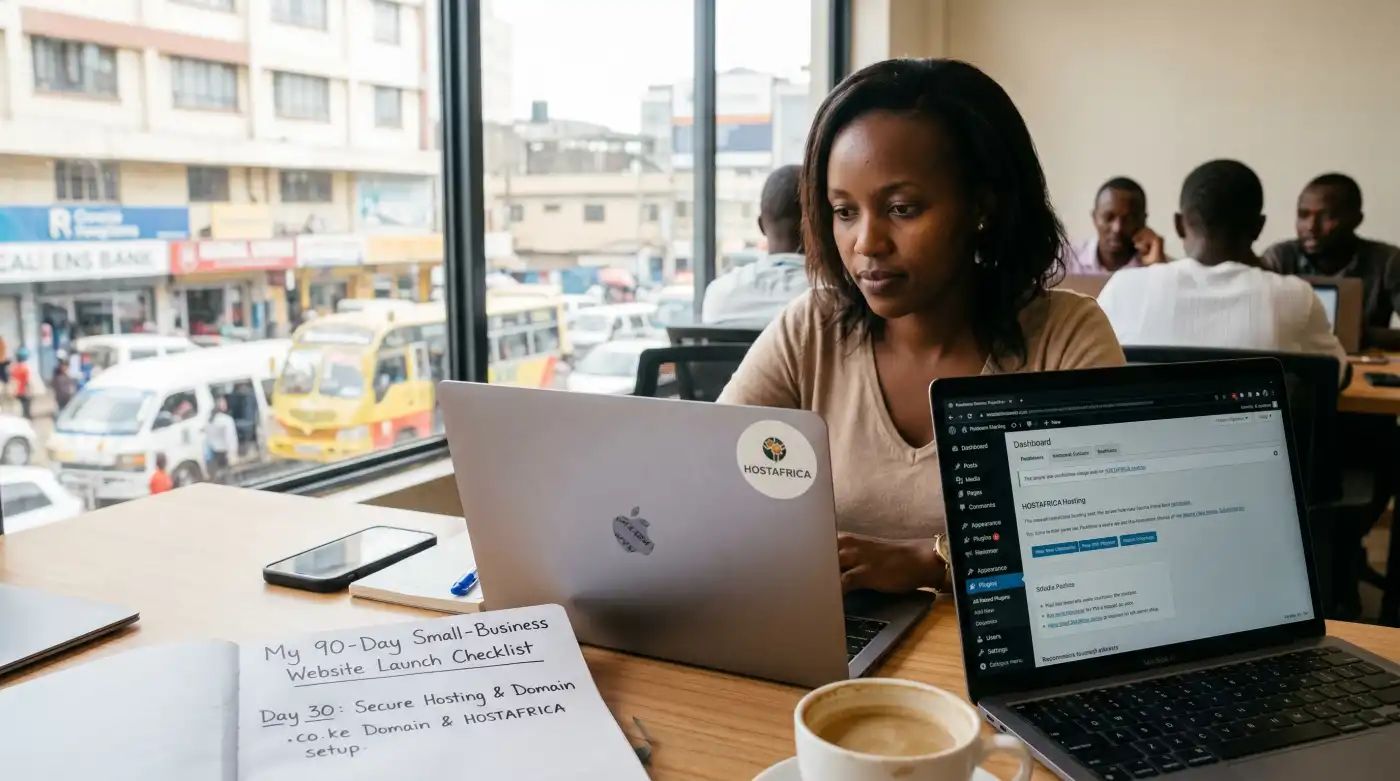
How to Start a Blog in Kenya: A Practical Guide for Beginners in 2026
Blogging in Kenya has evolved significantly over the last few years. What started as a hobby for many people has gradually become a serious digital business model capable of generating income through advertising, affiliate marketing, sponsored content, lead generation, and online services. At the same time, competition has increased. Simply publishing short articles with copied information no longer works well. Search engines now prioritise websites that demonstrate genuine expertise, technical reliability, originality, and user value. Many beginners become discouraged after creating a website because they expect instant traffic and fast earnings. In reality, successful blogs are usually built gradually through consistency, proper planning, and high-quality publishing practices. This guide explains how to start a blog in Kenya properly, including domain registration, hosting selection, WordPress setup, SEO preparation, content planning, and common mistakes that new publishers should avoid.
Why Blogging Still Works in 2026
Despite the rise of social media platforms, websites continue to remain important digital assets. A blog gives you full ownership of your content, design, monetisation strategy, and publishing structure. Unlike social media pages that depend heavily on changing algorithms, a blog can continue attracting traffic from search engines for years after articles are published. Today, blogs are being used for:
- Affiliate marketing
- Online business promotion
- Educational publishing
- Personal branding
- Local SEO visibility
- Digital product sales
- Professional portfolios
- Community publishing
- Advertising revenue
- Lead generation
Many Kenyan businesses, creators, and entrepreneurs are now realising that owning a website creates more long-term stability than relying entirely on social platforms.
Step 1: Choose a Clear Blogging Niche
One of the most common beginner mistakes is publishing random unrelated topics on the same website. This usually weakens topical authority and confuses both readers and search engines. A better approach is selecting a focused niche with strong long-term publishing potential. Good blogging niches often combine:
- Personal experience or interest
- Search demand
- Monetisation opportunities
- Low-to-medium SEO competition
- Long-term content scalability
Examples of practical blogging niches in Kenya include:
- Technology tutorials
- Online business
- Agriculture
- Health and wellness
- Beauty and skincare
- Travel and tourism
- Personal finance
- Education
- Digital marketing
- Traditional herbs and wellness
Focused blogs usually perform better than websites trying to cover every topic imaginable.
Step 2: Register a Domain Name
Your domain name is your website identity. It should be easy to remember, easy to type, and relevant to your content or business. Good domain names are usually:
- Short and simple
- Easy to pronounce
- Easy to spell
- Free from unnecessary hyphens
- Relevant to the niche
Examples:
- smartfarmerkenya.com
- travelguideafrica.co.ke
- digitalcreatorhub.com
- beautywellnesskenya.com
For local Kenyan businesses, .co.ke domains can improve local branding trust, although .com domains are still widely used internationally.
How to Register a Domain in Kenya
Registering a domain in Kenya has become easier than before. Most hosting companies now allow users to register domains and hosting accounts from a single dashboard. Before registering a domain:
- Check spelling carefully
- Avoid trademarked names
- Ensure the name is memorable
- Consider long-term branding potential
- Choose a name relevant to your niche
Some beginners purchase domains impulsively and later regret using names that are difficult to scale into broader brands. It is usually wise to think beyond the first few articles and consider how the website may evolve over time.
Step 3: Choose Reliable Web Hosting
Hosting is where your website files, databases, images, and content are stored online. A poor hosting environment can affect:
- Website speed
- Security
- SEO performance
- User experience
- Search engine crawling
- Website uptime
Many beginners choose hosting based only on price. However, extremely cheap hosting often creates technical problems later, especially when websites begin growing. Important factors to evaluate when selecting hosting include:
- Server uptime reliability
- SSD or NVMe storage
- Automatic backups
- SSL support
- cPanel access
- PHP compatibility
- Database performance
- Customer support quality
- Migration support
- Scalability options
For beginners creating blogs, business websites, or WordPress projects, comparing practical hosting features before purchasing can prevent many future technical frustrations. Users researching hosting environments suitable for Kenyan websites can explore available options and technical specifications through this hosting comparison resource.
Beginner’s Guide to cPanel Hosting
cPanel is one of the most widely used web hosting control panels. It simplifies many website management tasks that would otherwise require technical server knowledge. Using cPanel, website owners can:
- Create email accounts
- Manage databases
- Upload files
- Install WordPress
- Create backups
- Manage domains
- Monitor resource usage
- Configure SSL certificates
For beginners, cPanel hosting is often easier to manage compared to manually configured server environments. Learning how cPanel works early can save considerable time later when managing websites professionally.
Shared Hosting vs VPS Hosting
Shared Hosting
Shared hosting means multiple websites share the same server resources. It is suitable for:
- New blogs
- Small business websites
- Low-traffic websites
- Beginner projects
Shared hosting is usually affordable and sufficient for most beginners.
VPS Hosting
VPS hosting provides more dedicated server resources and greater configuration flexibility. It is suitable for:
- Growing websites
- Custom CMS systems
- Higher traffic websites
- Advanced web applications
- News platforms
Most beginners do not need VPS hosting immediately unless they expect large traffic volumes or specialised technical requirements.
How to Launch a WordPress Site
WordPress remains the most widely used blogging platform globally because it combines flexibility with ease of use. Most hosting providers now offer one-click WordPress installation through cPanel or similar dashboards. After installing WordPress:
- Select a lightweight theme
- Configure SEO settings
- Create essential pages
- Install only necessary plugins
- Enable SSL certificates
- Set proper permalinks
Many beginners overload WordPress with unnecessary plugins. This often slows websites and creates security vulnerabilities. A simpler website setup usually performs better long-term.
Essential Pages Every Website Needs
Before publishing articles, create foundational pages that improve trust and professionalism.
- About Us
- Contact Page
- Privacy Policy
- Disclaimer
- Terms and Conditions
- Author Profile
These pages help improve credibility for both users and search engines.
How to Create a Website for Your Business
Many small businesses in Kenya still rely entirely on social media pages. However, websites offer several advantages:
- Better search visibility
- Professional branding
- Customer trust
- Lead generation
- Business email integration
- Long-term digital ownership
A business website does not need to be complicated initially. Most business websites only require:
- Homepage
- Services page
- About page
- Contact information
- Location details
- Customer enquiry forms
Simple professional websites often outperform visually overloaded designs with poor usability.
How to Build a News Website
News websites require stronger technical planning compared to ordinary blogs because they usually publish content more frequently. Important considerations include:
- Fast website performance
- Mobile responsiveness
- Category organisation
- Editorial workflows
- Image optimisation
- Caching systems
- Internal linking structures
Many news websites fail because they focus only on publishing quantity while ignoring technical optimisation and user experience. Successful news platforms usually invest heavily in:
- Site architecture
- Page speed
- Clear navigation
- Topical organisation
- Consistent editorial standards
Even smaller news websites can compete effectively if they focus on niche topics and local expertise.
How to Start an Affiliate Marketing Blog
Affiliate marketing involves recommending products or services through specialised links. When users complete qualifying actions, the website owner may receive commissions. However, successful affiliate blogs usually focus on:
- Honest reviews
- Useful tutorials
- Practical comparisons
- Experience-based content
- Problem-solving information
The weakest affiliate websites are often those filled with aggressive promotional language and generic AI-generated articles. Strong affiliate content feels informative rather than sales-driven. Examples of effective affiliate content include:
- Hosting setup tutorials
- Website migration guides
- SEO optimisation walkthroughs
- Speed improvement case studies
- Tool comparisons
- Beginner tutorials
Readers are more likely to trust recommendations naturally integrated within genuinely useful educational content.
Creating Content That Can Rank on Google
Modern SEO is no longer about stuffing keywords repeatedly into articles. Search engines increasingly prioritise:
- Originality
- User experience
- Technical performance
- Topical authority
- Expertise
- Readability
- Content depth
Good content often includes:
- Clear headings
- Practical examples
- Real explanations
- Logical formatting
- Accurate information
- Helpful insights
Rather than publishing dozens of weak articles, many successful websites now focus on fewer high-quality resources.
Common Beginner Mistakes
- Publishing copied content
- Using poor-quality hosting
- Ignoring mobile optimisation
- Overloading WordPress plugins
- Creating thin content
- Publishing inconsistent topics
- Ignoring technical SEO
- Expecting instant rankings
- Using excessive AI-generated text without editing
Search engines are increasingly capable of identifying websites that provide little genuine value.
The Importance of Website Speed
Slow websites create poor user experiences and can negatively affect search visibility. Website speed is influenced by:
- Hosting quality
- Theme optimisation
- Image sizes
- Plugin usage
- Caching configuration
- Server response times
Many beginners focus heavily on article writing while completely ignoring technical optimisation. In practice, technical stability and speed play an important role in long-term SEO performance.
Final Thoughts
Starting a blog or website in Kenya is still a realistic opportunity in 2026, especially for creators willing to focus on quality, consistency, and long-term publishing strategies. While many beginners search for shortcuts, sustainable growth usually comes from building a technically reliable website, publishing genuinely useful content, and continuously improving user experience over time. Whether you plan to launch a personal blog, affiliate website, business platform, or news publication, strong foundations matter significantly. Careful hosting selection, proper website structure, and high-quality publishing practices often make the difference between websites that gradually grow and those that disappear after a few months.
Find this information worthwhile?
If my research or technical insights have helped you flourish in the digital world, consider supporting the continued development of this platform.
Support via PayPalContribution to: Pfine
You May Also Like

Choosing the Right Type of Website
The internet has changed how people build businesses, share ideas, earn income, and create influence. Today,…
Read More »
SEO ChatGPT Prompts: The Ultimate 2026 Guide to Smarter Rankings
In the ever-changing digital world, search engine optimisation (SEO) is no longer just about keywords and…
Read More »
🌍 Why Host Africa is the #1 Hosting Solution for Entrepreneurs in 2026
Whether you're building your first blog , launching an online business, or managing client websites choosing…
Read More »
Top Ten 3D Technology Open Source Applications
Three-dimensional (3D) technology continues to redefine how digital content is created, visualised, and…
Read More »
The Ultimate Guide to Choosing the Perfect Hosting Service Provider
Selecting the right hosting service provider is crucial for the success of your website. With numerous…
Read More »
Is Host Africa A Good Hosting Company?
Overview In a vast sea of hosting providers, Host Africa could be a good hosting company, delivering…
Read More »