
Watching My Website's Pages Vanish from Google
 When I first launched my website, I was ecstatic. Every new blog post I published seemed to appear almost immediately in Google's search results. Seeing my content indexed gave me a rush of satisfaction and a sense of legitimacy as a blogger and online entrepreneur. At that time, I didn't pay much attention to the intricacies of SEO. I was just happy that my work was visible. Little did I know, my lack of attention to certain details--especially around titles and site structure--would come back to bite me.
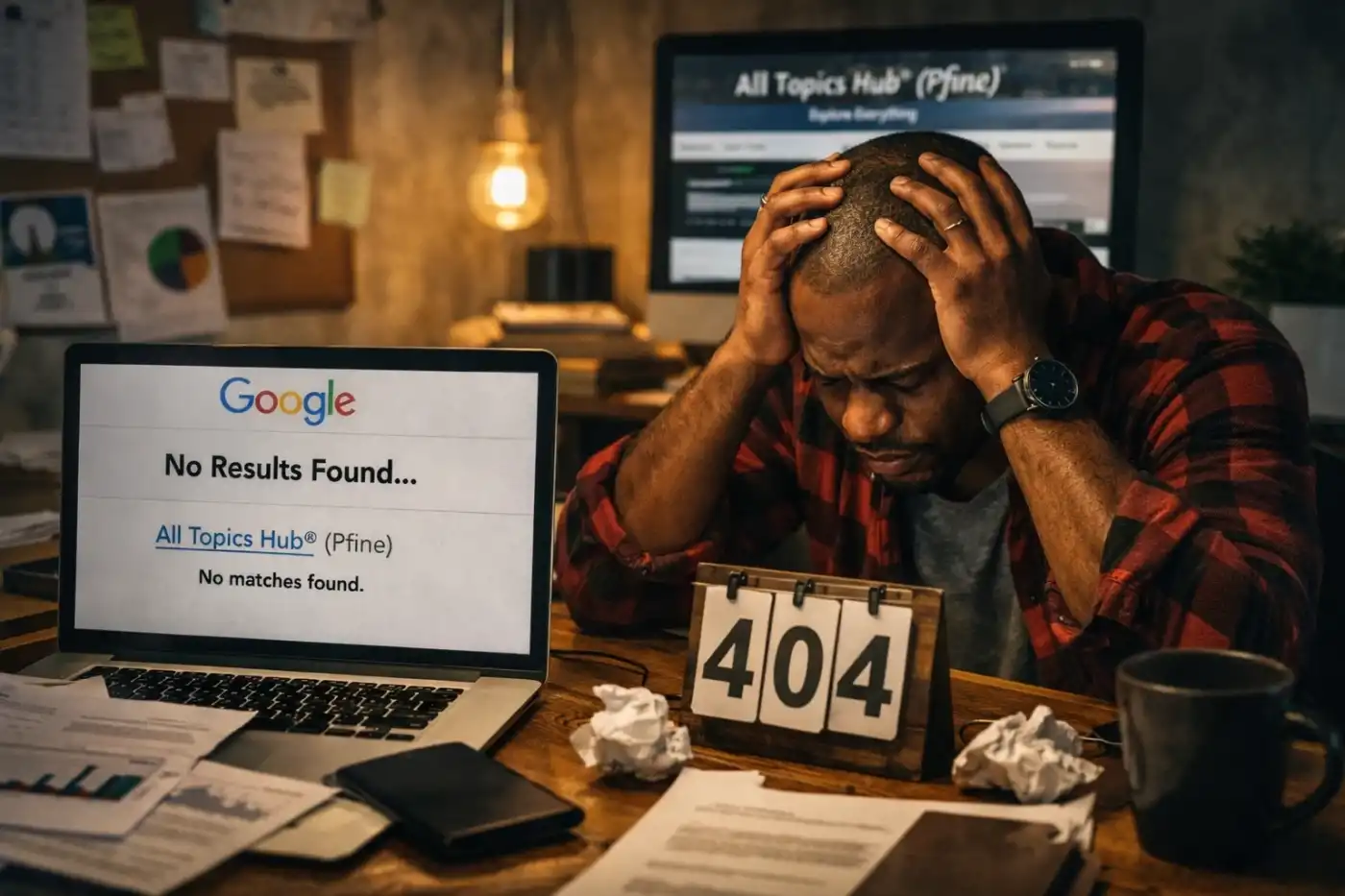
At first, everything felt perfect. I had over 260 pages, all indexed, and the traffic was modest but consistent. My brand, All Topics Hub®, was included in every post title, usually as a suffix like "| All Topics Hub® (Pfine)". I thought this was a good idea for brand recognition, and in my mind, it also gave my pages a sense of uniformity. But I soon began to notice an unsettling trend: pages that were once visible in search results started disappearing one by one. Only my homepage seemed safe, stubbornly remaining indexed while my posts gradually vanished. At first, I assumed it was just a temporary hiccup or a delay in Google's indexing. I couldn't have been more wrong.
The Early Days: Everything Was Indexed and I Felt Confident
Looking back, those first few months were almost a honeymoon period. Google crawled my site frequently, and my posts started appearing in search results for various keywords, even though I hadn't optimised titles or meta descriptions beyond basic branding. I had a sense of security, believing that once a page was indexed, it would stay there indefinitely. I also assumed that adding the same brand suffix to each post title was a smart SEO move--it would reinforce my website's identity, right?
For example, posts like "How to Start Affiliate Marketing | All Topics Hub® (Pfine)" and "Top 10 Blogging Tips | All Topics Hub® (Pfine)" seemed professional and consistent. I thought the repeated "(Pfine)" portion was harmless and even quirky enough to distinguish my brand. But what I didn't realise was that Google views these repeated patterns differently than a human reader. While I saw uniformity, Google saw repetition--a signal that my pages might not be unique enough to warrant indexing.
During this early stage, I didn't track impressions or crawl behaviour closely. I was focused on content creation, posting almost daily, and letting the search engine do its job. I assumed my pages would naturally rank and traffic would grow over time. Everything seemed fine on the surface, until it wasn't.
Early Warning Signs I Ignored
The first hints of trouble came subtly. I started noticing a drop in traffic from Google Search Console. At first, I attributed it to seasonal variation or the normal fluctuations of new content. Then, I saw it: the dreaded status "Crawled - Currently Not Indexed" for several pages. I had no idea why this was happening. I began inspecting URLs, checking sitemaps, and scratching my head. Some posts that I had poured hours into were now effectively invisible to Google, despite being live and publicly accessible. Only the homepage and a handful of strong posts remained indexed.
Another warning sign was a technical one within my CMS: the sitemap dropdown for all known pages had been greyed out for some time. At first, I thought it was a bug. There were no errors on the sitemap, yet the system refused to fully populate the dropdown. It was subtle, easy to overlook, but in hindsight, it was one of the early indicators that my site had structural or content issues affecting indexing. I didn't connect the dots at the time, because I was too focused on publishing new content rather than auditing what I already had.
The Mistake of Boilerplate Titles
Looking back, my biggest misstep was over-reliance on boilerplate titles. Every post followed a rigid pattern: "[Main Topic] | All Topics Hub® (Pfine)". I thought this would reinforce branding and provide a professional, uniform look across all my posts. I also assumed it would help Google recognise my brand consistently. What I failed to realise was that this repetition actually made my pages appear formulaic to search engines. Instead of signalling uniqueness, it suggested low differentiation.
Consider some examples from my own site at the time:
- "How to Bake a Chocolate Cake | All Topics Hub® (Pfine)"
- "Top 10 Tips for Blogging Success | All Topics Hub® (Pfine)"
- "Affiliate Marketing for Beginners | All Topics Hub® (Pfine)"
On the surface, these titles seem distinct because the first few words differ. But the repeated suffix created a pattern that, across hundreds of posts, looked formulaic. Google started interpreting many of these pages as near-duplicates, even if the content itself was unique. I didn't see this at the time. I thought titles were just labels for readers, not a major factor in whether a page would remain indexed.
Underestimating the Impact of Thin or Generic Content
Another mistake I made was not paying enough attention to content depth. While I tried to provide useful articles, many posts were thin by modern SEO standards. Some were 300-400 words, offering general advice without examples, headings, or actionable steps. I thought quantity was enough--more posts would mean more traffic. But Google evaluates not only whether content exists but also whether it provides value. My thin posts, combined with repetitive titles, were essentially signalling to Google that they weren't worth indexing in the long term.
For instance, a post titled "Top 5 Affiliate Marketing Mistakes | All Topics Hub® (Pfine)" contained only brief bullet points without explanation or context. Another, "How to Start Blogging | All Topics Hub® (Pfine)", was under 400 words and lacked examples or depth. At the time, I didn't see these as issues. I assumed that being "published" was the same as being "valuable," which was a major oversight.
Ignoring Internal Linking and Navigation Signals
Looking back, I also neglected internal linking. Many of my posts were isolated; they existed in the CMS but weren't well connected to related content. Google relies heavily on internal links to understand the importance and relationship of pages. Posts buried deep in my CMS without inbound links from other pages were less likely to be crawled regularly and more likely to fall out of the index.
I also failed to structure category pages effectively. My single-category system stored slugs and titles but didn't emphasise parent-child relationships clearly. I assumed that having a category assigned to each post was sufficient, but Google interprets poorly linked content as less important. In effect, I had hundreds of posts that were theoretically "discoverable" but practically invisible due to weak internal linking.
Sitemap Oversights
I thought including every post in my sitemap was enough. I didn't consider the role of sitemap hierarchy or page importance signals. Many posts were included, but some were buried or lacked sufficient signals through priority or lastmod tags. Over time, this contributed to Google deprioritising them. Combined with the boilerplate titles and thin content, the sitemap was less effective than I believed. My initial assumption that "submit the sitemap and forget" would suffice was a critical mistake.
Overconfidence in Brand Recognition
Another error was overvaluing brand repetition in titles. I thought that including "| All Topics Hub® (Pfine)" would strengthen brand authority and make my pages look more professional. I didn't realise that over 260 posts using the exact same suffix essentially created a pattern of repetition in Google's algorithms. Instead of highlighting my expertise, it made the pages appear formulaic and low-value, especially when the body content was also inconsistent in depth. The irony was that what I saw as a branding advantage became a liability in indexing.
Failing to Track Indexing Health Regularly
For months, I didn't systematically monitor which pages were indexed or crawled. I relied on occasional Google searches and informal checks, which gave me a false sense of security. By the time I noticed the trend of disappearing pages, the damage had already begun. I had no detailed record of which pages had dropped, why, or when. This made it difficult to understand the scope of the problem or identify patterns. Regular monitoring through Google Search Console could have alerted me earlier to the impact of my boilerplate titles and other issues.
Lessons Learned from My Mistakes
Looking back, the experience was humbling but invaluable. I learned several critical lessons that I want to share with other website owners:
- Boilerplate-heavy titles are risky: Using the same brand suffix across hundreds of posts can make pages appear repetitive and formulaic.
- Content depth matters: Even unique titles can't compensate for thin, unstructured, or generic content.
- Internal linking is essential: Pages without inbound links or clear hierarchy are more likely to be deprioritised or dropped from the index.
- Sitemaps aren't magic: Including pages in a sitemap doesn't guarantee indexing; structural signals, uniqueness, and content quality matter more.
- Brand repetition can backfire: Minimal, consistent branding is fine, but excessive repetition across hundreds of posts reduces perceived value.
- Monitoring is critical: Regularly tracking indexing health, crawl frequency, and search impressions helps detect problems before they compound.
- SEO is holistic: Titles, meta descriptions, content quality, internal links, and sitemaps all interact. Neglecting any part can have cascading effects.
Each of these lessons was learned the hard way. It wasn't a single mistake, but a combination of choices--repetitive titles, thin content, weak linking, overemphasis on branding--that led to Google gradually dropping my posts. Initially, I felt frustrated and overwhelmed. It seemed unfair that my content, which I had worked so hard on, was being ignored. But reflecting on these mistakes helped me understand how Google evaluates value and uniqueness, and how even small oversights can accumulate into major indexing problems.
Reflecting on My Journey
As an online entrepreneur and blogger, this experience taught me that SEO isn't just about publishing content; it's about thinking strategically about how Google perceives value. I learned to step back and analyse my site from Google's perspective rather than just my own. I realised that what looks good to a human reader--consistent branding, uniform title patterns--can sometimes signal low value to search engines. The subtle greyed-out sitemap dropdown in my CMS, the crawling delays, and the disappearing pages were all warnings I initially ignored.
Today, reflecting on these mistakes gives me a clearer understanding of what matters in maintaining a healthy website. It's not just about publishing more content, but ensuring each page is unique, valuable, and structured in a way that communicates its worth to both users and search engines. My journey highlighted how small, repetitive choices--like boilerplate titles--can scale into large problems across hundreds of posts. It was a hard lesson, but one that will shape every post I write in the future.

Final Thoughts: Mistakes That Became Lessons
In retrospect, every misstep was an opportunity to learn. Using "| All Topics Hub® (Pfine)" seemed harmless, but across 260+ posts, it became a silent enemy of indexing. Thin content, weak internal linking, and overconfidence in branding compounded the problem. I came to understand that Google evaluates pages holistically, looking at patterns, content depth, uniqueness, and structural signals. Ignoring any of these factors can lead to pages being crawled but ultimately not indexed.
What I took away from this experience is the importance of mindfulness in content creation and site management. Each title, each paragraph, and each link contributes to how Google perceives your site. Even seemingly minor decisions--like repeating a brand suffix--can have massive long-term consequences. The key is to approach SEO with both strategy and care, constantly learning and adapting based on feedback from your own site's performance. Mistakes are inevitable, but the lessons they provide are invaluable.

Ultimately, my experience serves as a cautionary tale for anyone managing a content-rich website. The issues I faced with boilerplate titles, thin content, and structural signals are not unique to me--they are common pitfalls that affect indexing, crawl frequency, and long-term SEO health. Recognising these mistakes and understanding their impact is the first step toward building a resilient, high-performing website.


Recommended Affiliate Resources






You May Also Like

How to Make Money with Affiliate Marketing by Placing Ads
I often share ways to make money with affiliate marketing on this channel, but placing ads on well-known…
Read More »
SEO Struggles in 2025: Memes for Every Content Creator
Search Engine Optimisation (SEO) has always been a moving target, but 2025 has introduced a new wave of…
Read More »
Hilarious Affiliate Marketing Fails Every Beginner Can Relate To
Affiliate marketing has become one of the most popular ways to earn an income online. The idea is simple:…
Read More »
How to Write a Meta Description for a Blog Post
You've spent hours, maybe even days, crafting the perfect blog post. You've nailed the research, polished the…
Read More »
What Is the Difference Between On-Page and Off-Page SEO?
Share this article: SEO is a term that gets thrown around a lot, especially when you're trying to grow your…
Read More »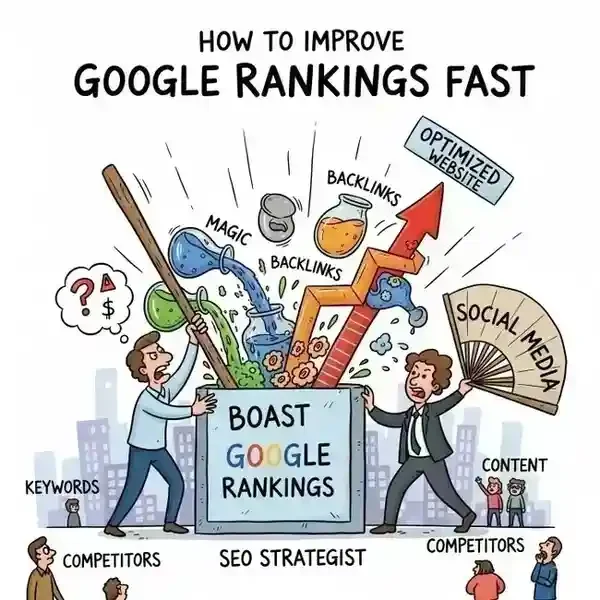
How to Improve Google Rankings Fast
Every website owner dreams of seeing their site on the first page of Google. After all, the first page gets…
Read More »Traffic Coop Earnings
Ready to Monetise Your Traffic?
Stop letting your visitors slip away without value. With the LeadsLeap Co-op, you can turn every click into income. Join through my link below and I’ll personally share my tips for getting started fast.
Join My LeadsLeap Co-op Now
About the Author
Hello, I'm Patrick Wilson — an entrepreneur, artist, and storyteller driven by curiosity and passion. Through this blog, I explore and share meaningful content around a wide spectrum of lifestyle and success topics that matter to everyday people looking to live better, earn more, and grow intentionally.
From building a personal brand and making money online through proven digital strategies, to navigating the journey of personal finance and wealth-building — I bring real-world insights and tools to help you take control of your financial future.
I also document my pursuit of a healthy, balanced life — sharing inspiration around achieving fitness goals and living with purpose. As someone who appreciates both the aesthetic and the soulful, I dive deep into fine art, cultural history, and the enriching nuances of everyday lifestyle.
Whether I'm exploring breathtaking travel destinations across the globe or tending to the joys of home and garden, I aim to bring beauty, clarity, and useful ideas to every post.
If you're passionate about growth — financially, creatively, or personally — this blog is designed to inspire and support your journey.
Thanks for being here — let's grow together.