
Earning Serious Money with MetaTrader 5
MetaTrader 5 (MT5) has become one of the most powerful trading platforms available for modern financial…
Read More »
 MetaTrader 4 (MT4) has remained one of the most trusted trading platforms in the financial markets for more than a decade. Despite the emergence of newer platforms, many professional traders still rely on MT4 because of its reliability, efficiency, and powerful analytical tools. For individuals seeking to build sustainable income from trading forex, commodities, or CFDs, understanding how to properly use MetaTrader 4 can open the door to serious financial opportunities. However, earning consistent profits in trading is not simply about installing a trading platform and placing random trades. Successful traders approach the market with discipline, research, and a clearly defined strategy. MetaTrader 4 provides the environment and tools required to analyse markets, execute trades efficiently, automate strategies, and manage risk. When used correctly, it can support both beginner traders and experienced professionals. This comprehensive guide explains how to use MetaTrader 4 effectively to pursue serious trading income. You will learn how the platform works, how to set up a professional trading environment, how to analyse markets using technical and fundamental tools, and how to develop trading strategies that can grow over time. In addition, you will discover how risk management, automation, and performance tracking play a vital role in transforming trading from a hobby into a structured financial activity. Whether you are a complete beginner exploring forex trading for the first time or an experienced trader seeking to refine your approach, understanding the capabilities of MT4 can significantly improve your trading outcomes. The key is not merely accessing the markets but developing the knowledge and discipline required to navigate them profitably.
MetaTrader 4 is widely recognised as one of the most influential trading platforms ever created for retail traders. Developed by MetaQuotes Software, the platform was specifically designed to simplify online trading while still offering advanced analytical capabilities. Over the years it has become the preferred platform for millions of traders worldwide. The reason MT4 continues to dominate the trading landscape lies in its balance between simplicity and power. While the interface is easy to understand even for beginners, the platform also contains sophisticated tools that professional traders rely on for deep market analysis.
One of the primary reasons traders choose MetaTrader 4 is its intuitive design. The platform organises trading tools into clear sections including the market watch window, chart area, navigator panel, and terminal window. This structure allows traders to access market information quickly without feeling overwhelmed. For beginners, this simplicity is extremely important. Learning to trade already requires understanding financial markets, technical analysis, and risk management. A complicated trading platform can create unnecessary barriers. MT4 removes that friction by providing a clean and accessible interface.
Charts are the foundation of market analysis. MetaTrader 4 offers multiple chart types including line charts, bar charts, and candlestick charts. Most traders prefer candlestick charts because they clearly display price movement and market sentiment. In addition to chart styles, MT4 provides multiple timeframes ranging from one minute to monthly charts. This flexibility allows traders to analyse both short-term and long-term trends. For example:
Having access to all these timeframes allows traders to conduct multi-timeframe analysis, which is a powerful technique for identifying high-probability trading opportunities.
MetaTrader 4 includes more than thirty built-in technical indicators that help traders analyse market trends, momentum, and volatility. These indicators can be applied directly to price charts and customised according to individual trading strategies. Popular indicators available in MT4 include:
Each of these indicators provides insight into different aspects of market behaviour. When combined correctly, they can help traders identify potential entry and exit points with greater confidence.
Another reason MetaTrader 4 remains extremely popular is its support for automated trading through Expert Advisors (EAs). An Expert Advisor is essentially a computer programme that executes trades automatically based on predefined rules. Automation can be extremely valuable because trading decisions are often influenced by emotions such as fear or greed. Automated systems remove these emotional elements and execute trades according to logical rules. For instance, an EA can be programmed to:
This capability allows traders to operate systematic strategies that function consistently regardless of emotional pressure.
Unlike many modern trading platforms that require powerful computers, MetaTrader 4 is lightweight and runs smoothly on most devices. It works efficiently on older computers and consumes minimal system resources. This reliability is particularly important for active traders who cannot afford platform crashes or execution delays during volatile market conditions.
Before attempting to earn serious income through trading, it is essential to set up your trading environment correctly. A properly configured MetaTrader 4 account ensures smooth execution, accurate analysis, and effective risk management.
Your broker acts as the bridge between you and the financial markets. Therefore selecting the right broker is one of the most important decisions you will make. Several factors should be considered when evaluating brokers:
A trustworthy broker ensures that trades are executed fairly and that your funds remain secure.
Once you have selected a broker, the next step is installing MetaTrader 4. Most brokers provide a customised version of the MT4 platform that connects directly to their trading servers. The installation process typically involves:
After logging in, the platform will automatically connect to the broker's server and display available trading instruments.
One of the biggest mistakes beginners make is risking real money before understanding how trading works. MetaTrader 4 allows users to practise trading using demo accounts that simulate real market conditions. A demo account enables traders to:
Although demo trading cannot fully replicate the psychological pressures of real trading, it remains an essential learning stage.
Leverage allows traders to control larger positions using a relatively small amount of capital. For example, leverage of 1:100 means that a trader can control £100,000 worth of currency with only £1,000 in margin. While leverage increases profit potential, it also amplifies losses. Therefore responsible leverage management is crucial for long-term success. Many professional traders use moderate leverage to protect their accounts from extreme market fluctuations.
MetaTrader 4 allows traders to customise charts, indicators, and layout settings to create a comfortable trading environment. Common customisations include:
Having a well-organised trading workspace improves efficiency and allows traders to react quickly to market opportunities.
Successful trading depends heavily on the ability to analyse financial markets. MetaTrader 4 provides powerful analytical tools that help traders interpret price movements and anticipate potential trends.
Technical analysis focuses on studying historical price data to predict future price movements. The core principle is that market behaviour tends to repeat patterns over time due to consistent human psychology. Traders using technical analysis examine price charts to identify patterns, trends, and key support or resistance levels. For example, support levels represent price areas where buyers historically enter the market, preventing prices from falling further. Resistance levels represent areas where sellers typically dominate. Recognising these levels can help traders determine optimal entry and exit points.
Markets rarely move in straight lines. Instead, they form trends characterised by a series of higher highs and higher lows (uptrend) or lower highs and lower lows (downtrend). MetaTrader 4 allows traders to identify trends using several methods:
Trading in the direction of the dominant trend is widely considered one of the most effective trading approaches.
Momentum indicators measure the strength of price movements. These tools help traders determine whether a trend is gaining strength or losing momentum. Common momentum indicators include:
These indicators are particularly useful for identifying overbought or oversold market conditions.
While technical analysis focuses on price charts, fundamental analysis examines economic and geopolitical factors that influence market behaviour. Key fundamental indicators include:
For example, strong economic data from a country may strengthen its currency, while economic uncertainty may weaken it.
The most effective traders rarely rely on a single analytical method. Instead, they combine technical indicators with fundamental insights to form a comprehensive market perspective. For instance, a trader might identify a technical breakout pattern on a chart while simultaneously monitoring economic news that supports the trend. This layered approach improves decision-making and reduces the likelihood of entering low-probability trades.
One of the defining characteristics of successful traders is their commitment to disciplined risk management. Even the most sophisticated trading strategies can fail without proper capital protection. Risk management ensures that losses remain manageable and that traders can continue participating in the market over the long term.
Professional traders rarely risk more than one or two percent of their trading capital on a single trade. This approach ensures that a series of losing trades will not destroy the entire account. For example, if a trader has a £5,000 account and risks 1% per trade, the maximum acceptable loss is £50. This simple rule dramatically improves long-term survival in the market.
MetaTrader 4 allows traders to define automatic exit levels through stop-loss and take-profit orders. A stop-loss order closes a trade automatically if the market moves against the trader beyond a specified level. This prevents losses from becoming catastrophic. A take-profit order closes a trade once a predetermined profit target is reached. Using these orders eliminates emotional decision-making and ensures consistent risk control.
Another key principle of profitable trading is maintaining a favourable risk-reward ratio. Many traders aim for a minimum ratio of 1:2. This means that the potential profit on a trade should be at least twice the potential loss. With this structure, traders can remain profitable even if they win fewer than half of their trades.
Diversification involves spreading trading activity across multiple instruments rather than concentrating risk on a single market. For instance, a trader might simultaneously monitor:
Diversification reduces vulnerability to sudden price movements in any single market.
Psychology plays a massive role in trading performance. Fear, greed, and impatience can lead to impulsive decisions that undermine carefully planned strategies. Professional traders develop emotional discipline through:
Maintaining emotional stability is often the difference between long-term profitability and repeated losses.
Once a trader begins achieving consistent results, the next stage involves scaling strategies responsibly. Scaling should never involve reckless increases in risk; instead it should follow a structured growth approach.
As trading accounts grow, position sizes can be increased proportionally. This allows profits to compound while maintaining consistent risk percentages. For example, a trader who initially risks £50 per trade may increase risk to £100 once the account doubles in size.
Once a trading strategy demonstrates consistent performance, automation through Expert Advisors can increase efficiency. Automated systems allow traders to monitor multiple markets simultaneously and execute trades without constant manual supervision.
Professional traders analyse their results carefully. Maintaining a detailed trading journal helps identify strengths, weaknesses, and areas for improvement. Key metrics often recorded include:
Over time this data provides valuable insight into which strategies are most effective.
Financial markets constantly evolve. Economic events, regulatory changes, and technological developments can alter market dynamics. Successful traders remain lifelong learners who adapt their strategies when conditions change.
Ultimately, earning serious money with MetaTrader 4 requires viewing trading as a professional discipline rather than a shortcut to quick profits. Patience, research, and disciplined execution form the foundation of sustainable trading success. When traders combine these qualities with the powerful tools provided by MetaTrader 4, they gain the potential to transform trading into a structured and profitable long-term activity.
If my research or technical insights have helped you flourish in the digital world, consider supporting the continued development of this platform.
Support via PayPalContribution to: Pfine
MetaTrader 5 (MT5) has become one of the most powerful trading platforms available for modern financial…
Read More »
Forex trading has evolved from an exclusive institutional activity into one of the most accessible online…
Read More »
Forex trading attracts millions of people worldwide because it promises flexibility, independence, and the…
Read More »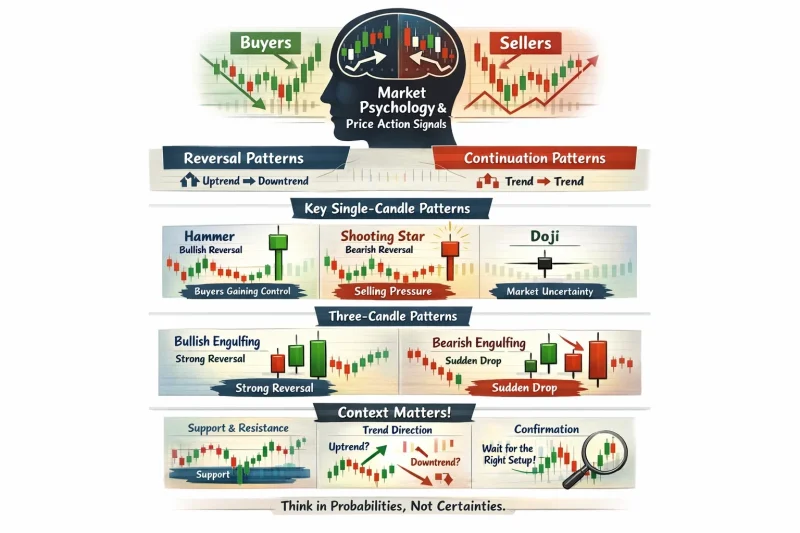
Financial markets move in patterns shaped by human behaviour, liquidity, institutional participation, and…
Read More »
Anyone who has dipped their toes into forex trading knows the experience is far from smooth. One moment…
Read More »
Forex trading is not just about charts, candlesticks, and economic calendars. It's also about the emotional…
Read More »
Hello, I'm Patrick Wilson — an entrepreneur, artist, and storyteller driven by curiosity and passion. Through this blog, I explore and share meaningful content around a wide spectrum of lifestyle and success topics that matter to everyday people looking to live better, earn more, and grow intentionally.
From building a personal brand and making money online through proven digital strategies, to navigating the journey of personal finance and wealth-building — I bring real-world insights and tools to help you take control of your financial future.
I also document my pursuit of a healthy, balanced life — sharing inspiration around achieving fitness goals and living with purpose. As someone who appreciates both the aesthetic and the soulful, I dive deep into fine art, cultural history, and the enriching nuances of everyday lifestyle.
Whether I'm exploring breathtaking travel destinations across the globe or tending to the joys of home and garden, I aim to bring beauty, clarity, and useful ideas to every post.
If you're passionate about growth — financially, creatively, or personally — this blog is designed to inspire and support your journey.
Thanks for being here — let's grow together.