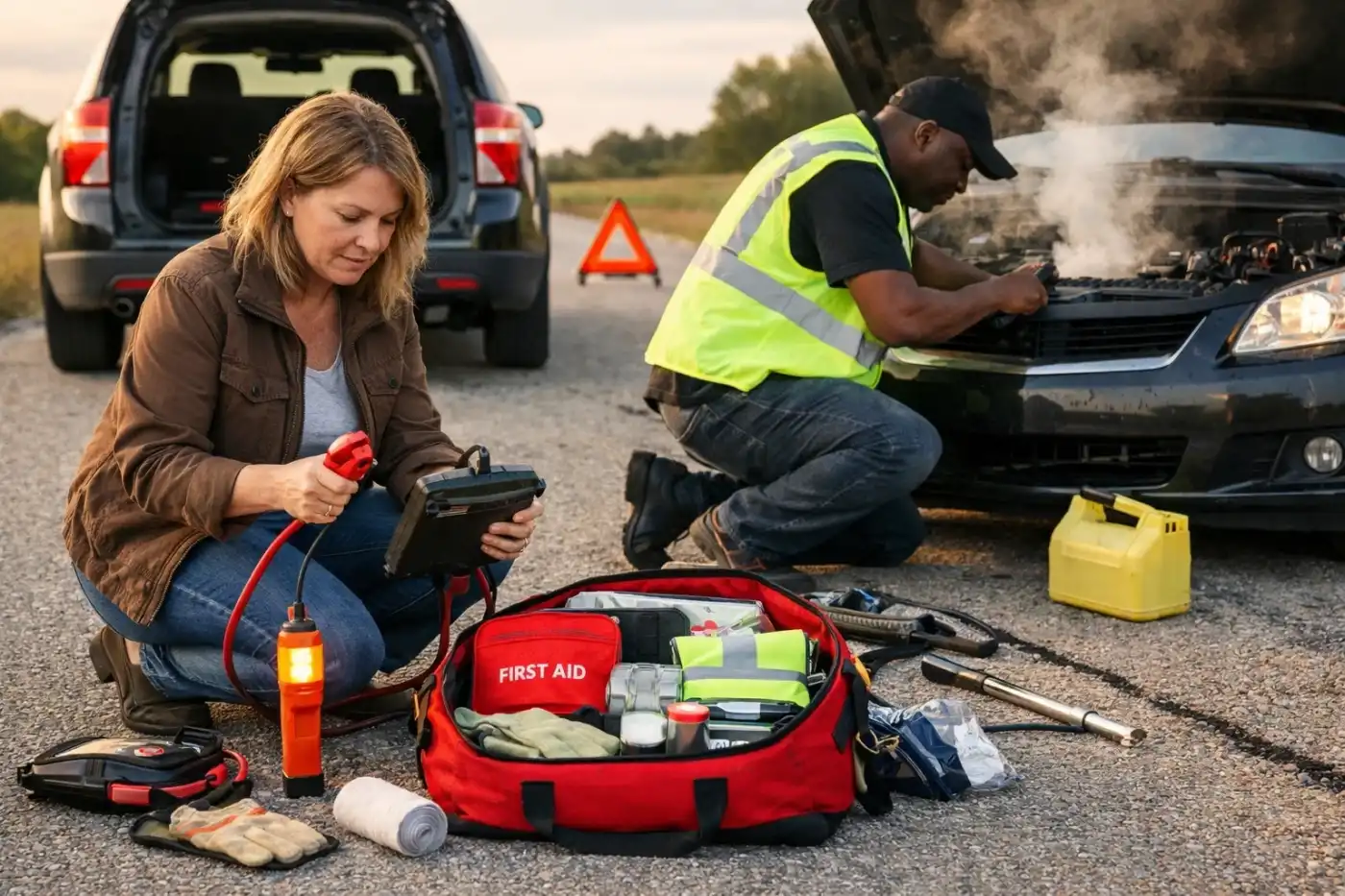
Every Driver Should Keep in Their Car
 The point of Practical Roadside Emergency Kits is to make the topic clearer without turning it into another broad summary. This post keeps the focus on scope, assumptions, trade-offs, and the practical decision the reader is trying to make. Every driver eventually faces an unexpected moment on the road. A flat tyre, dead battery, overheating engine, or sudden mechanical failure can leave even the most experienced motorists stranded. While regular vehicle maintenance helps prevent many issues, it cannot eliminate the possibility of breakdowns entirely. This is where a well-prepared roadside emergency kit becomes invaluable. A roadside emergency kit is more than just a collection of tools. It is a carefully assembled set of supplies designed to help drivers manage breakdowns, minor injuries, and difficult situations until assistance arrives. According to road safety experts and automotive organisations, keeping an emergency kit in your vehicle dramatically improves safety and preparedness during unexpected roadside incidents. Whether you commute daily, take long road trips, or drive heavy-duty vehicles, having the right equipment can mean the difference between a minor inconvenience and a dangerous situation. From first-aid supplies and reflective warning triangles to battery jump starters and portable lights, the right kit ensures you are prepared for almost anything. In this practical overview, we will explore the best roadside emergency kits every driver should keep in their car, explain the most essential tools, and provide expert advice on assembling a kit that protects both you and your passengers. If you also want to prepare for one of the most common roadside problems, read our guide on best portable jump starters that start a dead battery instantly. For larger vehicles and heavy-duty upgrades, you may also find our article on must-have truck accessories helpful.
Why Every Driver Needs a Roadside Emergency Kit
Driving provides freedom and convenience, but it also involves certain risks. Mechanical failures, weather conditions, and unexpected road hazards can create situations where immediate assistance is not available. A roadside emergency kit is designed to bridge that gap. Road safety experts strongly recommend keeping emergency supplies inside your vehicle because breakdowns can occur even when cars are well maintained. Preparing for such events allows drivers to manage minor repairs or remain safe until help arrives. Many drivers underestimate how often roadside incidents occur. Long-distance travel, extreme temperatures, and ageing vehicle components can all increase the likelihood of breakdowns. In rural areas or late at night, roadside assistance services may take hours to arrive. Having an emergency kit transforms a potentially stressful situation into a manageable one.
Protection During Breakdowns
A breakdown can happen without warning. Engines overheat, tyres lose pressure, and batteries suddenly fail. With the right equipment in your vehicle, you may be able to diagnose the problem quickly and return to the road. Even if repairs are not possible, tools such as warning triangles and reflective vests help ensure your safety while waiting for assistance.
Improved Safety for Passengers
Safety is not only about repairing the vehicle. When stranded on the roadside, visibility and protection from weather conditions are equally important. Emergency kits typically include reflective devices, blankets, and flashlights to help drivers remain visible and comfortable until help arrives.
Preparedness for Extreme Weather
Weather conditions can quickly turn a minor roadside problem into a serious emergency. Cold temperatures, heavy rain, or intense heat can pose risks to drivers and passengers. Many emergency kits include thermal blankets, gloves, water, and additional clothing to help people stay safe in challenging weather conditions.
Peace of Mind for Long Journeys
Road trips and long-distance travel can expose drivers to remote areas where help is not immediately available. A roadside emergency kit ensures that you have essential supplies available if something goes wrong. This preparation offers peace of mind and allows drivers to focus on the journey rather than worrying about potential problems.
Essential Items Every Roadside Emergency Kit Should Include
Although emergency kits vary depending on location and driving habits, experts agree that certain items are essential for every vehicle. Automotive organisations recommend equipping vehicles with tools, safety equipment, and survival supplies that help drivers handle both mechanical issues and personal safety needs. The following categories cover the most important components of an effective roadside emergency kit.
1. Safety and Visibility Equipment
Safety should always be the first priority during a roadside emergency. Visibility tools help alert other drivers that your vehicle is stopped.
- Reflective warning triangles
- Road flares or LED emergency lights
- Reflective safety vest
- Flashlight with spare batteries
These tools make your vehicle visible from a distance and significantly reduce the risk of accidents when stopped on the roadside.
2. Battery and Electrical Tools
Dead batteries are one of the most common causes of roadside breakdowns. Emergency kits should include equipment capable of restoring power quickly.
- Jumper cables
- Portable jump starter
- Phone charger or power bank
Portable jump starters are particularly useful because they allow drivers to start their vehicle without needing another car.
3. Basic Repair Tools
Minor mechanical problems can often be fixed quickly if you have the right tools available. A basic automotive tool set should include:
- Screwdrivers
- Pliers
- Adjustable wrench
- Duct tape
- Utility knife
- Multi-tool
These tools can temporarily repair loose components, damaged hoses, or other minor issues until professional service is available.
4. Tyre Repair Equipment
Flat tyres are one of the most common roadside emergencies. Having the right equipment allows drivers to address the issue immediately.
- Spare tyre
- Jack and lug wrench
- Tyre pressure gauge
- Portable tyre inflator
- Tyre repair kit
Even if you cannot fully repair the tyre, a portable inflator can often provide enough pressure to reach a repair shop.
5. First-Aid Supplies
A first-aid kit is an essential component of any roadside emergency kit. Recommended supplies include:
- Adhesive bandages
- Gauze pads
- Antiseptic wipes
- Disposable gloves
- Medical tape
- Pain relievers
First-aid supplies help treat minor injuries until professional medical help becomes available.
6. Survival Supplies
If you become stranded for an extended period, survival supplies become extremely important. Experts recommend including:
- Bottled water
- Non-perishable snacks
- Thermal blanket
- Extra clothing
- Rain poncho
Food, water, and warmth can make a significant difference if assistance takes time to arrive.
Best Roadside Emergency Kits Drivers Can Buy Today
While it is possible to assemble your own emergency kit, many drivers prefer purchasing pre-assembled kits. These kits contain essential equipment organised inside compact carrying cases. The best roadside emergency kits combine safety equipment, repair tools, and survival supplies in a portable package that fits easily inside the trunk of a vehicle.
Compact Emergency Kits for Everyday Drivers
Compact roadside kits are designed for daily commuting and short trips. They typically include basic tools, jumper cables, gloves, and reflective warning devices. These kits are affordable and easy to store inside most vehicles.
practical Roadside Assistance Kits
More advanced kits contain additional tools and survival equipment. These kits often include:
- Portable air compressors
- Heavy-duty jumper cables
- Multi-tool repair kits
- Emergency blankets
- First-aid supplies
Drivers who frequently travel long distances often prefer these more practical kits.
Heavy-Duty Kits for Trucks and Off-Road Vehicles
Larger vehicles such as trucks, SUVs, and off-road vehicles require more robust emergency equipment. Heavy-duty roadside kits may include towing straps, traction mats, and larger repair tools designed for bigger vehicles. If you drive a pickup or utility vehicle, you may also want to explore additional equipment in our guide to essential truck accessories.
How to Build Your Own Roadside Emergency Kit
Many drivers prefer building a customised roadside emergency kit tailored to their needs. Creating your own kit allows you to include specialised equipment based on your vehicle type, climate, and travel habits.
Step 1: Choose a Durable Storage Container
The first step is selecting a storage container that keeps your supplies organised and protected. Waterproof tool bags, plastic storage boxes, or dedicated emergency kit bags are ideal options.
Step 2: Organise Equipment by Category
Divide your kit into logical categories:
- Safety equipment
- Repair tools
- Medical supplies
- Food and water
This organisation makes it easier to find items quickly during emergencies.
Step 3: Adapt Your Kit for Climate
Drivers in cold climates should include items such as:
- Ice scraper
- Snow shovel
- Traction sand or cat litter
- Warm blankets
These tools help drivers escape snow and icy conditions.
Step 4: Check Your Kit Regularly
Emergency kits should be inspected every few months. Replace expired food, recharge batteries, and ensure all tools remain functional.
Common Roadside Emergencies Drivers Face
Understanding common roadside emergencies helps drivers prepare more effectively.
Dead Batteries
Battery failure is one of the most frequent reasons vehicles fail to start. Jump starters and jumper cables can quickly resolve the problem.
Flat Tyres
Sharp objects, worn tyres, and low pressure can lead to sudden punctures. A spare tyre and inflator are essential for addressing this issue.
Engine Overheating
Overheating engines can result from coolant leaks or mechanical failure. Carrying extra coolant and water can sometimes prevent serious damage.
Minor Accidents
Even small accidents may require documentation, first aid, and emergency communication tools. Having these supplies available ensures you can respond calmly and effectively.
Tips for Storing Your Roadside Emergency Kit
Where and how you store your emergency kit can affect how useful it is during a crisis.
Keep It in an Accessible Location
The trunk is usually the best place for storing a roadside emergency kit. However, essential items such as flashlights and phone chargers should remain easily accessible.
Avoid Loose Equipment
Loose tools can become dangerous projectiles during sudden stops. Always store equipment in secure containers.
Protect Electronics from Temperature Extremes
Extreme heat or cold can damage electronic equipment such as power banks or jump starters. If possible, remove sensitive devices during extreme weather.
Final Thoughts: Roadside Preparedness Saves Time and Lives
Driving without a roadside emergency kit is like travelling without insurance. You may never need it, but when an emergency occurs, it becomes one of the most valuable tools you own. A well-prepared emergency kit provides safety, convenience, and confidence for drivers facing unexpected roadside problems. From jump starters and tyre repair tools to food, water, and first-aid supplies, these kits ensure you are ready for almost any situation. Preparing your vehicle today can prevent serious stress tomorrow. By equipping your car with a complete roadside emergency kit, you transform unexpected breakdowns into manageable inconveniences rather than dangerous situations. If you want to further prepare your vehicle for roadside problems, explore our guide on portable jump starters that start a dead battery instantly. Drivers of larger vehicles may also benefit from upgrading their gear with these essential truck accessories.