Natural Brain Boosters for Adults
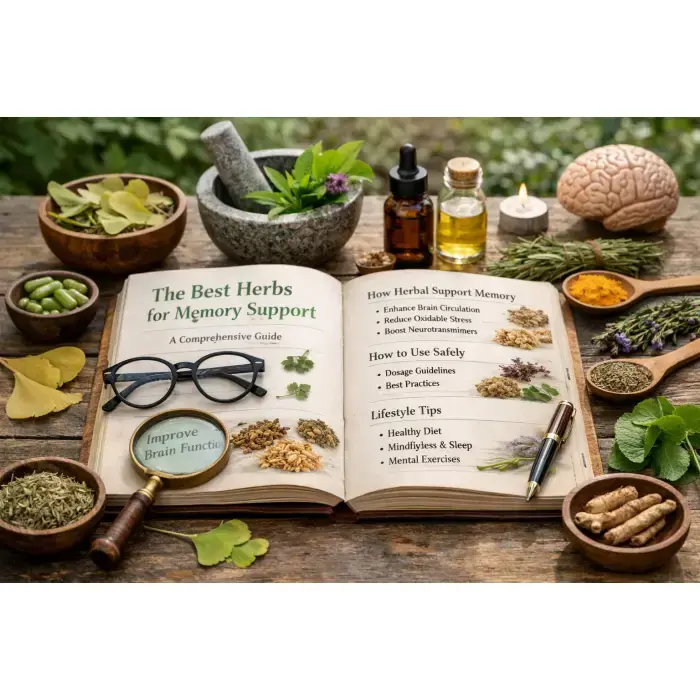 Top Herbs for Long-Term Memory Support for Adults is worth approaching carefully, because traditional use, personal comfort, and medical evidence are not the same thing. This post keeps the focus on traditional use, safety limits, suitability, and the difference between general wellness information and medical advice without turning general information into medical certainty. In a world where mental fog and forgetfulness are becoming the norm, discovering natural ways to support long‑term memory is more important than ever. Whether you're trying to stay sharp at work, support memory as you age, or simply find alternatives to pharmaceutical cognitive enhancers, herbs with memory‑boosting properties offer a promising, gentle approach supported by centuries of traditional use and emerging scientific research. This practical overview explores the most effective herbs for memory support in adults -- including how they work, how to use them safely, and how to combine them with lifestyle practices that further enhance brain power.
Why Adults Need Memory Support Herbs
As we grow older, natural declines in brain function can impact recall, focus, and processing speed. Stress, poor sleep, inflammation, and nutritional gaps can all contribute to what many people call "brain fog." For adults seeking to protect their cognitive function and sustain strong memory, herbal remedies offer plant‑based compounds that influence blood flow, reduce oxidative stress, and support neurotransmitters involved in learning and long‑term memory retention. This post will help you understand:
- How memory herbs work in the body
- The best herbs for long‑term memory support for adults
- Evidence‑based combinations and dosages
- Safety considerations and interactions
How Herbs Affect Brain Function
Unlike stimulants that temporarily mask tiredness or improve alertness, the best herbs for memory work at a deeper level. They may:
- Enhance cerebral blood circulation, delivering more oxygen and nutrients to brain cells
- Protect neurons from oxidative stress and inflammation
- Support neurotransmitters like acetylcholine and dopamine, which are key for memory formation
- Reduce stress and anxiety, which often impairs recall and focus
These mechanisms lay the foundation for sustained cognitive support -- rather than quick, short‑lived boosts.
1. Bacopa (Bacopa monnieri): Memory Formation Enhancer
Bacopa monnieri, also known as Brahmi, has been used for centuries in Ayurvedic medicine. It is one of the most well‑researched herbs for memory support and is frequently recommended for adults aiming to enhance long‑term memory storage and recall.
How Bacopa Helps Memory
Bacopa contains compounds called bacosides, which are believed to support neuron communication and protect brain cells from oxidative stress. Research suggests it may:
- Improve visual learning and memory retention
- Support cognitive processing speed
- Enhance attention and focus in adults
How to Use Bacopa
Bacopa is commonly taken as:
- Standardised extract (300-450 mg daily)
- Capsules or tablets
- Loose herb or powder mixed into smoothies or teas
Most studies report benefits with consistent use over 8-12 weeks.
2. Ginkgo Biloba: Circulation and Cognitive Clarity
Ginkgo biloba is one of the most popular herbs taken for brain health worldwide. It's primarily valued for its ability to support healthy blood flow, especially to the brain, which is crucial for memory and mental clarity.
practical uses of Ginkgo for Memory
- Improves circulation and oxygenation of brain tissue
- Supports short‑term recall and cognitive speed
- Reduces symptoms of mental fatigue in older adults
Typical Ginkgo Usage
Standardised extracts are commonly recommended, with daily doses ranging from 120-240 mg. It is not usually taken as a tea, as extracts provide more reliable levels of active compounds.
3. Rosemary (Rosmarinus officinalis): Traditional Focus Herb
Rosemary is commonly used in cooking, but it also carries potent aromatic compounds believed to support mental clarity. In aromatherapy research, even the scent of rosemary has been linked to improved memory and attention.
How Rosemary Supports Memory
- Contains antioxidants like carnosic acid
- May support neurotransmitter balance
- Sensory stimulation through scent may improve alertness
Easy Ways to Use Rosemary
Rosemary can be enjoyed as:
- Fresh or dried herb added to meals
- Aromatherapy (diffused essential oil)
- Herbal tea -- though stronger effects are seen from extracts and aroma
4. Ashwagandha (Withania somnifera): Stress Relief for Brain Protection
Chronic stress is one of the biggest enemies of memory. High cortisol levels can disrupt formation of new memories and impair recall. Ashwagandha is an adaptogen known for its stress‑reducing effects and its support for overall brain health.
Memory practical uses of Ashwagandha
- Reduces stress and anxiety that can impair memory
- Supports sleep, which is crucial for memory consolidation
- May protect neurons from stress‑related damage
Recommended Usage
Typical doses range from 300-500 mg of extract daily. It is often combined with other memory herbs like bacopa to amplify benefits.
5. Gotu Kola (Centella asiatica): Traditional Brain Tonic
Gotu Kola is a staple in traditional Chinese and Ayurvedic medicine. It's affectionately known as the "herb for meditation and memory".
What Gotu Kola Does for the Brain
- Supports cerebral circulation
- May improve mental clarity and focus
- Traditionally used for memory enhancement and nervous system toning
Ways to Take Gotu Kola
It is available as tea, capsules, or tincture. Some adults enjoy it as a calming tea before bedtime to support both sleep and memory consolidation.
6. Turmeric & Curcumin: Anti‑Inflammatory Support for Cognition
While not a traditional "memory herb" in the strictest sense, turmeric -- and its active compound curcumin -- has strong anti‑inflammatory and antioxidant properties. Inflammation in the brain is increasingly linked with cognitive decline.
Brain practical uses of Curcumin
- Reduces inflammation that may harm neurons
- Supports vascular health and blood flow
- Has been linked to improved mood and mental function
How to Use Turmeric
Curcumin is poorly absorbed on its own, so it is best taken as part of a formula with black pepper extract (piperine) to enhance absorption. Typical dosing is 500-1,000 mg daily of standardised extract.
7. Sage (Salvia officinalis): Memory and Mood Support
Sage is another culinary herb with strong traditional use for mental clarity and memory. Research suggests that sage extract may help improve cognitive function and protect against memory decline.
Memory practical uses of Sage
- Supports communication between brain cells
- May aid concentration
- Has antioxidant and anti‑inflammatory properties
Using Sage Safely
Sage can be used as a tea, culinary seasoning, or a concentrated supplement. It's generally considered safe but should be avoided in high doses during pregnancy.
8. Lemon Balm (Melissa officinalis): Calm Focus and Memory Ease
Lemon balm is a gentle herb that supports nervous system balance, making it useful for stress‑driven memory issues. It is especially helpful when anxiety interferes with recall or learning new information.
practical uses of Lemon Balm for Adults
- Supports relaxation without drowsiness
- May improve mood and mental clarity
- Useful in combination with other memory herbs
Ways to Take Lemon Balm
Lemon balm is most often taken as tea or tincture. It can also be combined with chamomile for a calming evening brew that still supports memory.
How to Combine Memory Herbs for Best Results
Many adults find more noticeable improvements when they combine herbs that act on different aspects of brain function. For example:
- Bacopa + Ginkgo -- memory formation plus circulation
- Ashwagandha + Lemon Balm -- stress relief plus calm cognition
- Turmeric + Sage -- inflammation support plus neuroprotection
Combining herbs should be done with care, starting with lower doses and increasing gradually as tolerated. Always consult a healthcare practitioner if you're taking medications or have chronic health conditions.
Supporting Your Memory with Lifestyle Choices
Herbs are useful allies, but they work best when paired with lifestyle habits that support brain health:
- Regular physical exercise -- improves blood flow and neuron growth
- Quality sleep -- essential for memory consolidation
- Balanced nutrition -- especially omega‑3 fatty acids, antioxidants, and vitamins
- Mental stimulation -- reading, puzzles, languages, skills
- Stress management -- meditation, breathwork, gentle movement
Example: Daily Brain Routine for Adults
- Morning: Bacopa + light exercise (30 minutes walk)
- Afternoon: Ginkgo + nutrient‑dense lunch with fatty fish
- Evening: Ashwagandha + 7-8 hours sleep
Safety and Precautions
Herbs are generally safe, but they are not entirely without potential interactions:
- Ginkgo may affect blood clotting -- take caution with blood thinners
- Sage should be used in moderation during pregnancy
- Turmeric in high doses may cause gastrointestinal discomfort
Always start with lower doses and monitor how your body responds. If you're taking prescription medications, speak with a healthcare professional before beginning any herb regimen.
Limits and safety notes
This topic can affect health, money, or personal risk, so the article should be treated as general information. Readers should check current rules, product terms, professional guidance, or medical advice where the decision could have serious consequences.
Conclusion: Natural Memory Support for Adults
Supporting long‑term memory naturally doesn't require a magic herb -- it requires a thoughtful blend of plant wisdom, lifestyle practices, and consistent habits. Herbs like bacopa, ginkgo, and ashwagandha offer science‑backed benefits for adults seeking enhanced recall, sharper focus, and greater mental clarity. When combined with sleep, nutrition, exercise, and stress management, these herbs can help you stay mentally agile well into later life. Whether you're noticing early signs of memory challenges or just want to protect your brain health proactively, the herbs in this guide offer a natural, sustainable approach to supporting your cognitive journey. Are you ready to start exploring herb‑based memory support? Begin with one herb, track your progress, and build from there. Your brain will thank you.