The French Grotte de Lascaux: A Window into Prehistoric Art and Culture
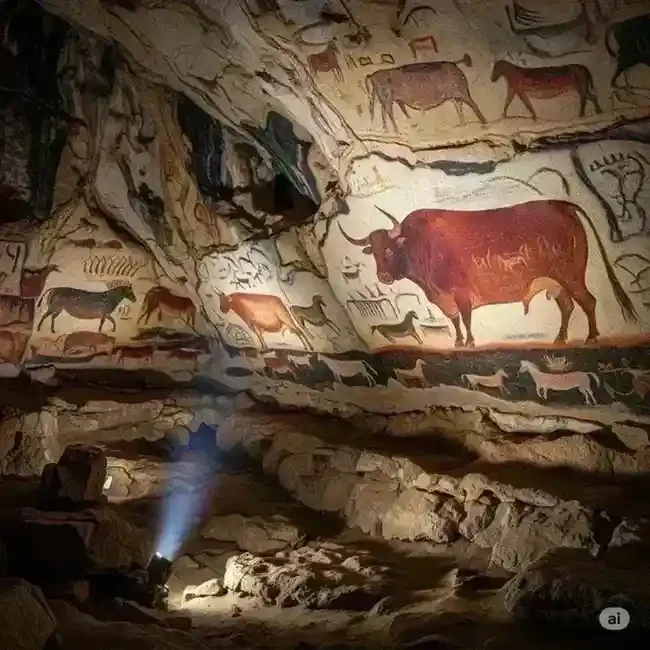
French Grotte de Lascaux becomes more interesting when it is treated as practice and context, not just a broad art-history summary. The angle here is materials, context, technique, interpretation, and how the topic differs from broad art-history summaries. Its discovery and continued study have profoundly shaped our understanding of early human creativity, symbolic thinking, and cultural expression. This guide explores the discovery of Lascaux, its artistic features, cultural significance, preservation challenges, and how modern technology has made it accessible without damaging the original cave.
Discovery and Early Exploration
The Lascaux cave was discovered accidentally on 12 September 1940 by four teenagers: Marcel Ravidat, Jacques Marsal, Georges Agnel, and Simon Coencas, while exploring woodland near Montignac. Their curiosity led them to uncover an underground chamber filled with astonishing prehistoric artwork. The discovery quickly attracted the attention of Henri Breuil, a leading French archaeologist and specialist in prehistoric cave art. His early research helped establish Lascaux as one of the most important archaeological sites in the world.
The Cave and Its Artistic Features
Physical Description
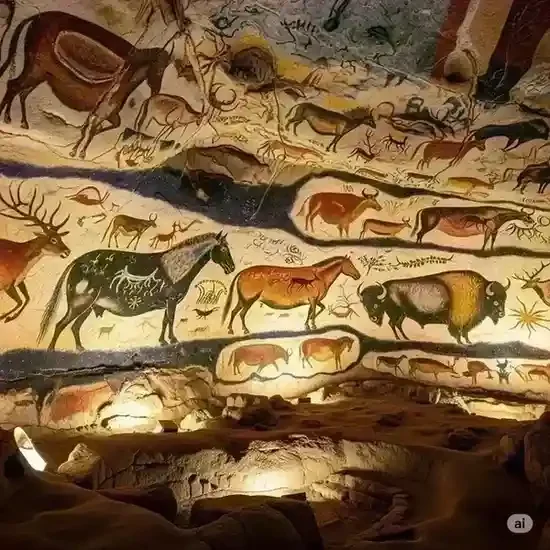
The cave is a natural limestone cavern featuring multiple chambers and passageways. Key sections include:
- The Main Chamber (Nave)
- The Apse
- The Axial Gallery
- The Painted Gallery
- The Shaft of the Dead Man
Each area contains intricate paintings and engravings that cover walls and ceilings, demonstrating remarkable artistic sophistication.
Artistic Techniques and Materials
The artists used natural pigments derived from minerals, including:
- Red and yellow ochre (iron oxide)
- Charcoal (carbon black)
- Manganese dioxide (black pigment)
Techniques included brushing, spraying, and blowing pigment through hollow bones. Some figures were engraved directly into the rock surface. The use of perspective, shading, and motion reveals an advanced level of artistic understanding rarely attributed to prehistoric societies.
Iconic Paintings and Scenes
Lascaux contains over 600 animal figures and nearly 1,500 engravings and symbols.
Aurochs
Large wild cattle dominate many scenes, with some figures reaching up to 5 metres in length. Their horns are depicted using a twisted or “wound” perspective.
The “Unicorn”
A mysterious two-horned figure often interpreted as symbolic or composite rather than representing a real animal.
Red Deer
Highly detailed depictions showcasing complex antlers and anatomical precision.
Horses
Numerous dynamic portrayals of horses in motion, reflecting keen observation of animal behaviour.
Swimming Stags
Depicted with only heads and necks above wavy lines, suggesting movement through water.
Felines
Rare images of wild cats, possibly lynxes, highlighting biodiversity in prehistoric Europe.
The “Shaft of the Dead Man” Scene
This enigmatic composition includes a human figure, a wounded bison, and symbolic elements. Interpretations range from hunting narratives to spiritual or ritualistic symbolism.
Cultural and Historical Context
The Magdalenian Culture
Radiocarbon dating places the artwork at approximately 17,000 years ago, within the Magdalenian period of the Upper Paleolithic era. This culture is known for advanced tool-making, artistic expression, and structured social systems.
Symbolism and Purpose
The purpose of the paintings remains debated. Leading theories include:
- Hunting magic: Belief that depicting animals improved hunting success
- Spiritual rituals: Possible shamanistic or ceremonial use
- Storytelling: Recording events or transmitting knowledge
These interpretations highlight the intellectual and cultural depth of early humans.
Dating the Cave Art
Radiocarbon dating of charcoal pigments provides approximate timelines, while newer methods such as uranium-thorium dating offer additional insight. However, variations in layers and environmental conditions make precise dating complex.
Conservation Challenges
Damage from Public Access
After opening to the public in 1948, Lascaux experienced significant environmental stress:
- Increased carbon dioxide levels disrupted the cave environment
- Artificial lighting caused algae and fungal growth
- Human interaction risked physical damage
These issues led to deterioration of the artwork.
Closure and Preservation
The cave was closed to the public in 1963. Preservation efforts include:
- Climate control systems
- Biological contamination management
- Restricted access for researchers only
Ongoing monitoring remains essential due to recurring microbial threats.
Replicas and Digital Preservation
To preserve the original site while allowing public access, several replicas were developed:
- Lascaux II (1983): Detailed physical replica
- Lascaux III: Travelling exhibition
- Lascaux IV (2016): Advanced immersive digital experience
These innovations ensure global accessibility without compromising preservation.
Legacy in Archaeology and Art
Lascaux transformed our understanding of prehistoric humans, revealing them as creative and symbolic thinkers.
Influence on Modern Art
The cave has inspired modern artists such as Picasso, who recognised the enduring power of prehistoric imagery.
Ongoing Research
- Non-invasive imaging techniques
- Microbial and environmental studies
- Archaeological investigations of surrounding areas
What to take away
The Grotte de Lascaux remains one of humanity’s most important cultural treasures. Its extraordinary artwork offers a direct connection to our distant past, demonstrating that creativity, storytelling, and symbolic thought are deeply rooted in human nature. Through careful preservation and modern technology, Lascaux continues to educate and inspire, ensuring its legacy endures for generations to come.