
Search visibility problems are rarely solved by one checklist item, and Practical Free & Paid AI Keyword Research Tools in 2026 is a good example of why context matters. The focus here is crawlability, search intent, content usefulness, technical debt, and what should be measured before changing pages, with less room for generic optimisation language. In this definitive guide, I’ll walk you through the best free and paid AI keyword research tools of 2026. I’ll cover how each works, its pros and cons, and when it makes sense to upgrade from free to premium. Whether you’re a solo blogger, a small business owner, or an SEO professional, this post will help you choose the right tool for your goals.
Why AI Keyword Research Matters in 2026
SEO has changed dramatically. Google’s AI Overviews and generative search results are rewriting the rules of keyword optimisation. Instead of just stuffing exact-match phrases, we now need to understand semantic search, topic clusters, and user intent. That’s where AI comes in.
- Speed: AI can analyse millions of queries in seconds.
- Insights: AI tools uncover hidden long-tail opportunities humans miss.
- Clusters: AI groups related keywords for content silos automatically.
- Forecasting: Predictive AI shows how search demand might trend.
In short, AI doesn’t replace human creativity—but it makes keyword research faster, smarter, and more profitable.
Best Free AI Keyword Research Tools (2026)
Let’s start with the good news: you don’t have to spend a dime to get started with AI-driven keyword insights . These free tools are ideal if you’re experimenting, running a side hustle, or want to test the waters before investing.
1. Google Keyword Planner + AI Prompts
Still free, still useful. When paired with AI tools like ChatGPT or Gemini,
becomes a hidden gem. You can paste seed keywords into Keyword Planner, export results, and ask AI to cluster them into content topics.
- Pros: Free, reliable Google data, suitable for PPC and SEO.
- Cons: Limited to ad-related data, needs AI support for clustering.
2. AnswerThePublic (Free Tier)
AnswerThePublic visualises questions people ask online. With its free tier, you get a limited number of searches daily. Combine results with AI analysis to identify content gaps and FAQs worth targeting.
- Pros: Great for discovering user intent questions.
- Cons: Limited free searches, best used with AI for deeper insights.
3. Ubersuggest (Free Version)
Ubersuggest offers keyword ideas, difficulty scores, and content suggestions. It's free plan restricts daily searches but still delivers solid starter data.
- Pros: Easy to use, includes content ideas, and competitive analysis.
- Cons: Free plan is very limited, upsell-heavy.
4. ChatGPT with SEO Plugins
AI chat models like ChatGPT for SEO can perform surprisingly robust keyword research when paired with plugins or uploaded CSVs from Google Keyword Planner. You can generate keyword clusters, blog outlines, and even internal linking strategies.
- Pros: Flexible, conversational, great for brainstorming.
- Cons: Data accuracy depends on the sources provided.
5. Also Asked (Free Limited Version)
uncovers the “People Also Ask” tree from Google. This is invaluable for planning FAQs and optimising for featured snippets.
- Pros: suitable for long-tail, question-driven SEO.
- Cons: Limited exports without a paid account.
Best Paid AI Keyword Research Tools (2026)
If you’re serious about ranking, paid tools are worth the investment. They save time, provide richer insights, and often combine multiple SEO features (keyword research, content optimisation, SERP tracking). Let’s explore the top contenders.
6. SEMrush with AI Writing Assistant
SEMrush has integrated AI into its keyword magic tool and writing assistant. You can learn keyword gaps, track SERPs, and instantly generate content briefs optimised for target terms.
- Pros: Enterprise-level data, AI-driven recommendations.
- Cons: Expensive for beginners.
7. Ahrefs + AI Integrations
remains a favourite for backlink and keyword data. With AI integrations, you can cluster large keyword lists automatically and receive suggestions for content silos.
- Pros: Accurate difficulty scores, huge database.
- Cons: Higher price point, learning curve.
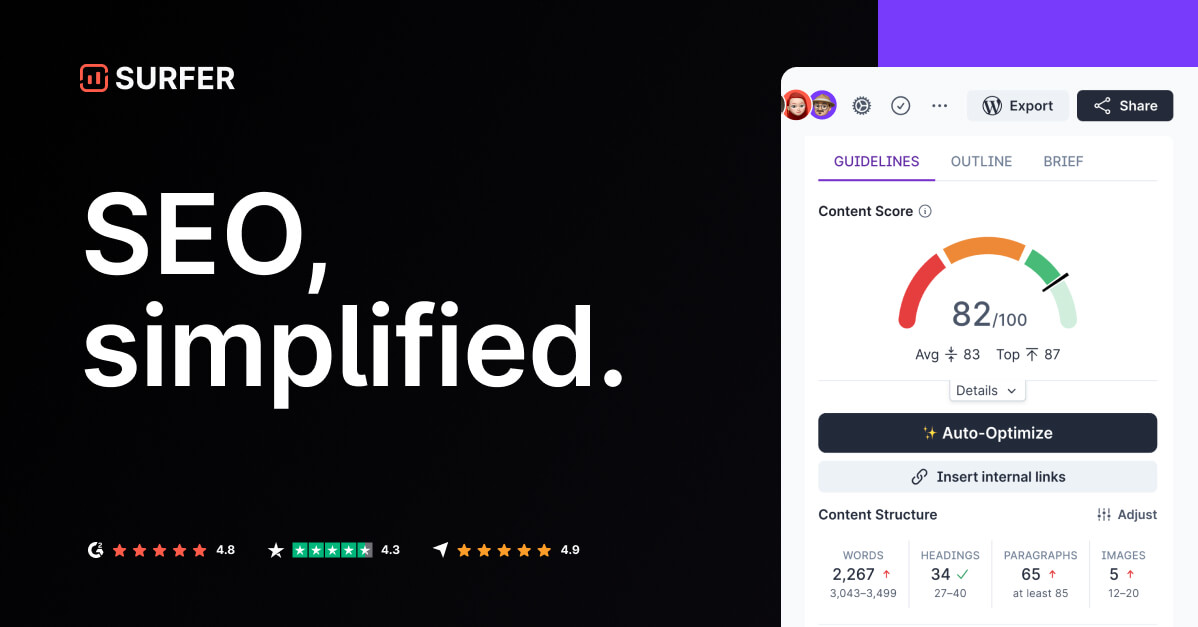
8. SurferSEO
is an AI-first SEO tool that combines keyword research with on-page optimisation. Its “Content Planner” feature clusters keywords by search intent, suitable for building topical authority.
- Pros: Great for content marketers, AI-driven clustering.
- Cons: Content editor credits can get expensive.
9. Scalenut
uses AI to automate keyword research, SERP analysis, and content creation. Its Cruise Mode helps generate SEO-ready articles quickly.

- Pros: All-in-one SEO and content creation platform.
- Cons: May be overwhelming for beginners.
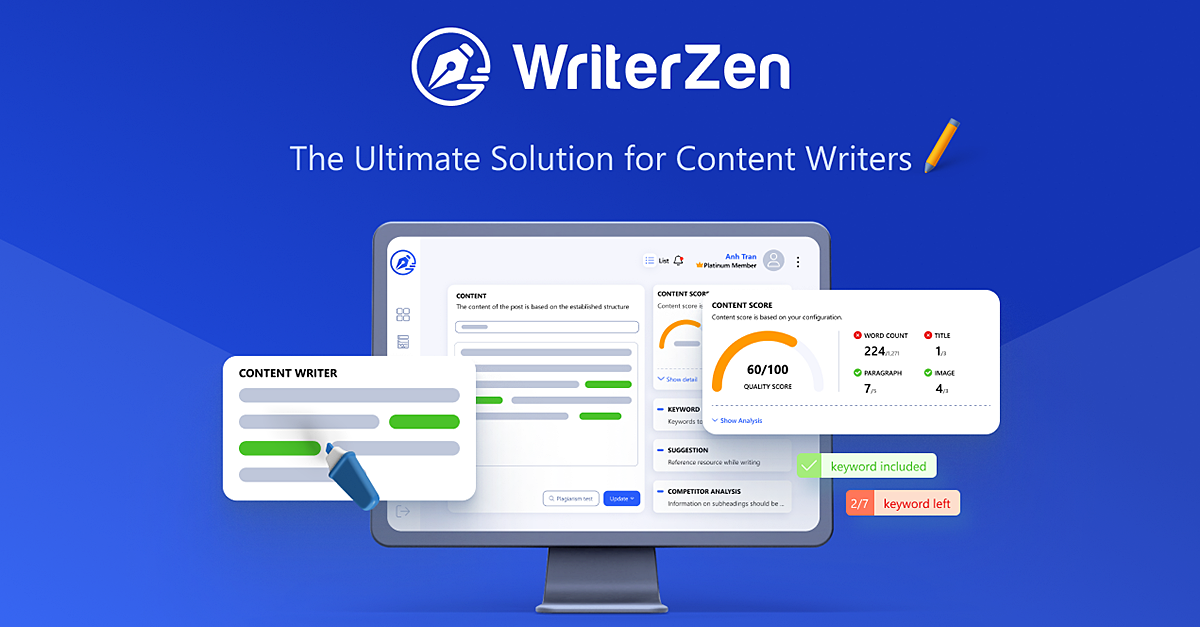
10. WriterZen
is known for its AI-powered topic discovery and keyword clustering features. It helps you plan content silos and uncover hidden long-tail opportunities.
- Pros: Affordable, strong keyword clustering.
- Cons: Smaller database than SEMrush or Ahrefs.
11. Frase
specialises in AI content briefs and keyword suggestions. It analyses top-ranking pages and shows exactly which terms to include in your content.
- Pros: AI-driven optimisation, great for writers.
- Cons: Not as strong for backlink analysis.
Free vs Paid: Which Should You Choose?
The right choice depends on your goals:
- Free tools are best for hobby bloggers, small side projects, or those experimenting with SEO.
- Paid tools are essential if you’re building a content business, running client SEO, or competing in competitive niches.
How to Maximise AI Keyword Tools
- Always validate results: AI can generate noise. Check search volumes and intent manually.
- Cluster for content silos: Don’t target one-off keywords—group them into themes.
- Optimise for AI Overviews: Add FAQs and structured answers to increase visibility.
- Track performance: Use SERP tracking to see which keywords actually drive traffic.
Future of AI in Keyword Research
Looking ahead, expect even more integration between keyword research, content creation, and SERP forecasting. AI will not just suggest keywords—it will simulate Google’s algorithms to predict which content will rank. This means early adopters of AI tools gain a massive competitive advantage.
Frequently Asked Questions
What is the best free AI keyword research tool in 2026?
Google Keyword Planner combined with AI clustering (via ChatGPT or Gemini) remains the best free option.
What is the best-paid AI keyword research tool?
SurferSEO and SEMrush currently lead the pack for AI-driven insights, though WriterZen is a more affordable alternative.
Can I rely only on free tools for SEO?
Yes, but you’ll hit limitations quickly. Free tools are fine for beginners, but scaling requires paid data.
Do AI tools replace human SEO experts?
No. AI accelerates research but can’t replace strategy, creativity, or nuanced decision-making.
Indexing and usefulness checks for this topic
Practical Free & Paid AI Keyword Research Tools in 2026 has more value when it connects technical SEO with the reader's real page quality problem. The useful angle is crawlability, search intent, content usefulness, technical debt, and what should be measured before changing pages. A page can be crawlable and still fail to earn indexing if it repeats nearby articles or gives little new information.
- Search intent: define the question this page answers better than the overlapping pages.
- Evidence of usefulness: add concrete examples, limits, and decision points instead of broad optimisation language.
- Measurement: compare crawl status, canonical signals, internal links, content uniqueness, and engagement before changing too many variables at once.
What to take away
The landscape of keyword research is changing fast. Whether you’re relying on free AI keyword tools to get started or investing in premium platforms to gain a competitive edge, the future of SEO is undeniably AI-driven. The sooner you adapt, the faster you’ll build traffic and authority. Start small with a free tool, validate your process, and then upgrade when you’re ready. By 2026, those who ignore AI in keyword research will find themselves at a serious disadvantage.
Why this page should stay separate
This article overlaps with free-seo-keyword-research, ai-powered-keyword-research, keyword-and-niche-research. It earns its place when it answers a narrower reader problem: crawlability, search intent, content usefulness, technical debt, and what should be measured before changing pages. If future edits cannot keep that distinction clear, it should be considered for manual merging.