
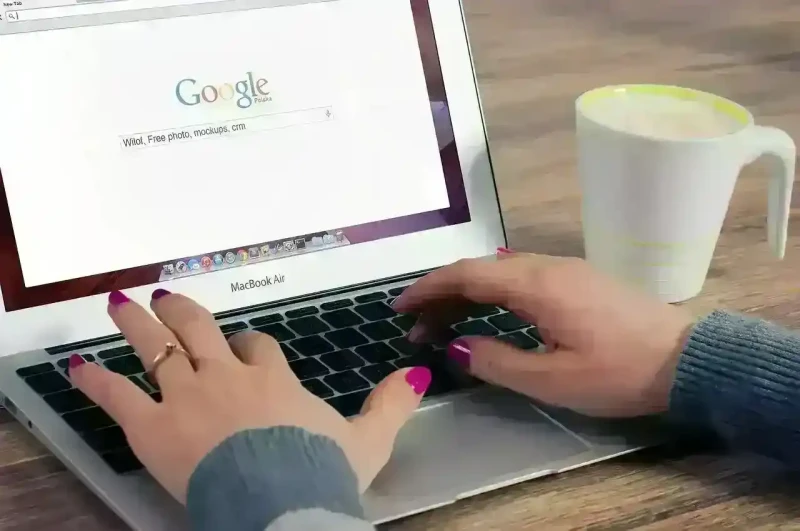
Having a website is essential for businesses in today's digital world. Here are some reasons why you need a website:
A website is worth building when it solves a real trust or ownership problem. Social media can help people find you, but a website gives customers one stable place to check services, prices, examples, contact details, and proof. This post looks at when a website is useful, when a simple page is enough, and why an outdated site can work against you.
You Need a Website for a Competitive Advantage:
If your competitors have a website and you don't, it reflects poorly on your brand. having a website helps you stay competitive in the market.
Building Relationships:
With limited face-to-face communication, a website allows you to connect with customers and build relationships by providing information and engaging content.
Business Description:
Your website should have a clear business description that gives visitors an understanding of who you are and what you offer.
Contact Information:
Make sure your website includes contact information that is easily accessible. This helps customers reach out to you quickly and builds trust.
You Need a Website to Post Articles and Blogs:
Including informative articles and blogs on your website helps establish your expertise, provides value to visitors, and helps with search engine optimisation .
- Website Functionality: Your website should be mobile-friendly, load quickly, have clickable phone numbers and email addresses, and be easy to navigate.
- Addressing Customer Questions: Anticipate the questions customers may have and provide clear answers on your website. This helps them make informed decisions and builds trust.
- Landing Pages: Use landing pages for specific marketing campaigns to provide focused information and encourage conversions.
- Benefit to Sales, Marketing, and Customer Service: A well-designed and informative website benefits sales by creating a positive impression, marketing by attracting and engaging visitors, and customer service by providing helpful information.
Remember, adapting to change and having a modern website that meets the needs of your customers is crucial for success Today, . Overall, a website is essential for any business to succeed Today, . It helps you reach potential customers, increase sales, communicate with your audience, and provide various benefits that contribute to your business growth. Don't wait any longer - invest in a good-looking, user-friendly website to help your business thrive.
What to check before relying on this page
- Scope: Reasons Why You Need A Website needs enough detail to stand alone; if the page remains short, it should be reviewed for expansion or merged into a stronger related article.
- Usefulness: the reader should leave with a clear distinction, a realistic limitation, and a practical next step.
- Evidence: any claim about money, health, performance, or safety should be checked against current guidance before acting.
When a website is worth building
A website is most useful when it solves a clear ownership or trust problem. A small business, creator, professional, or local service may already use social media, but a website gives them a stable place for prices, contact details, service pages, articles, booking information, and proof that can be updated without depending on one platform's feed.
- Use a website when: people search for your name, compare your services, need details before contacting you, or want reassurance that the business is legitimate.
- Do not overbuild: a one-page site can be enough if the current need is credibility, directions, phone numbers, and a clear enquiry path.
- Maintain it: an outdated website can harm trust, so opening hours, offers, staff details, and contact forms need occasional checks.
The strongest reason to have a website is control. Social accounts can be suspended, reach can fall, and old posts are difficult for customers to navigate. A website can organise the basic questions people ask before they call: what you do, who you serve, where you operate, what it may cost, how to contact you, and what proof supports your claims. That does not mean every project needs a large site. A simple service page, contact form, gallery, or article library can be enough if it is accurate and easy to use. The mistake is building pages that say very little, then leaving them unchanged while the business moves on. For a new website, the first useful pages are usually the home page, contact page, service or product page, and one proof page such as reviews, examples, frequently asked questions, or a small portfolio.